
In November 1316, a baby born in Paris was already king of France, because his father had died while the queen was pregnant. Guinness World Records counts him, along with a Spanish king born in 1886, as the youngest monarchs ever. A baby cannot sign a law or lead an army, so someone else had to govern. That arrangement often ended badly, for the child or for the person in charge.
Cool Stories About History is a newsletter to learn history the fun way.
Join free and get:
6 new stories a month, straight to your inbox
The full archive of stories
Comment, ask questions, and chat with other readers
How These Were Chosen
A regent is a person who governs a kingdom while the ruler is too young, absent or unable to rule. Every ruler here took the throne before turning 14, and someone else governed in his name for a time.
Their ages at accession run from birth to 13. The two record holders, kings from the moment they were born, are both included.
The twelve are not ranked by age. The order runs from the ruler least known to an American reader to the most famous.
12. Shapur II of Persia (309)
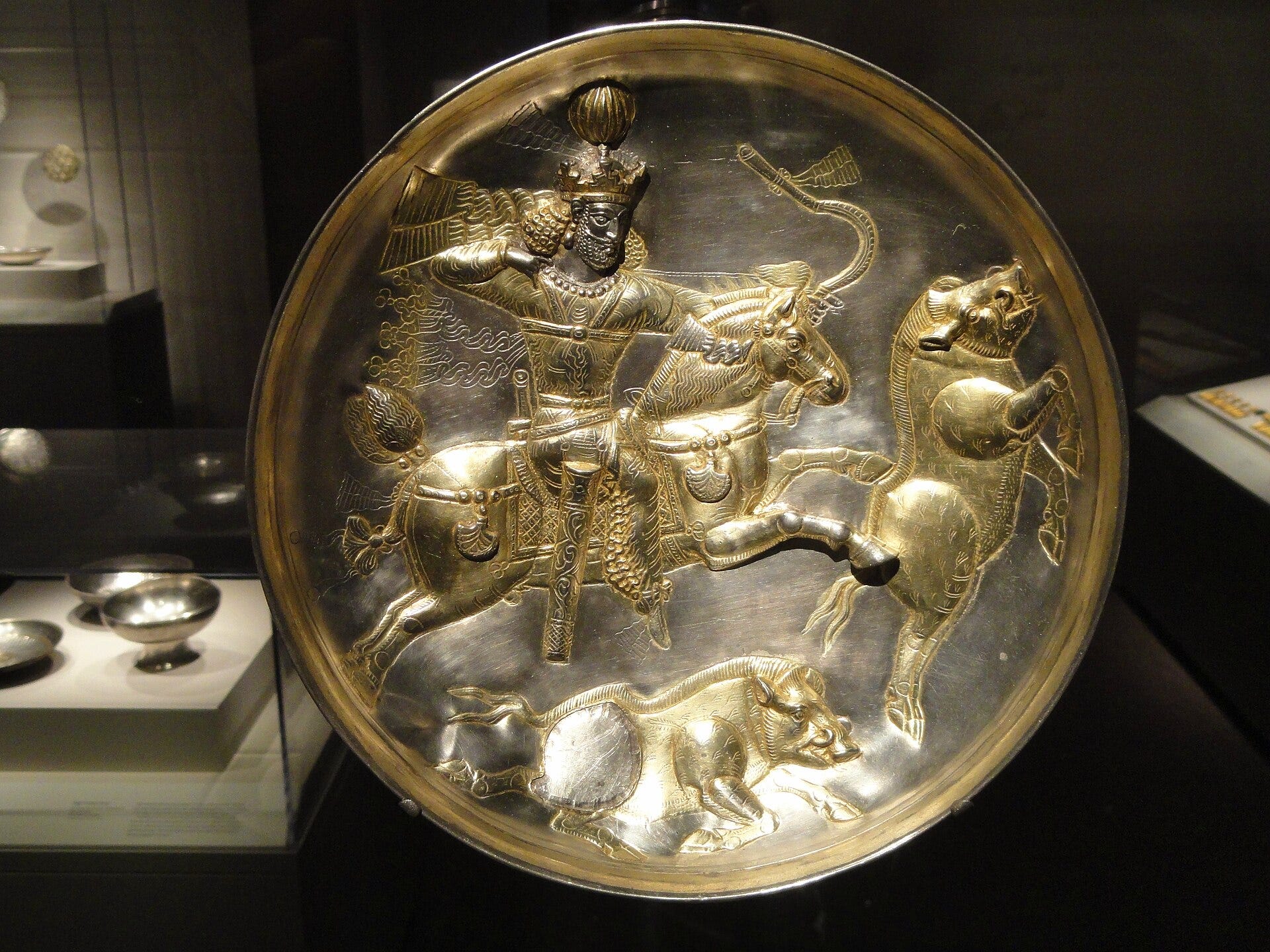
In the story Persians told for centuries, the court and the clergy laid a royal crown on the belly of a pregnant queen in the early 300s. Her husband King Hormizd II had just died. The child she carried, Shapur II, was a king before he was born.
His family, the Sasanians, ruled the Persian Empire and were the great rivals of Rome. When the baby arrived in 309, the nobles proclaimed him king, and his name suited the moment: Shapur means "son of a king."
A newborn could not govern, so the courtiers, priests and officials who had served his father kept running the empire. During those years, Arab Bedouins crossed the Persian Gulf from Bahrain and raided Fars, the heartland of the empire. In 325, at 16, Shapur took power himself and began a campaign to pacify those Arab tribes.
Rome was the larger threat. In 363 the Roman emperor Julian invaded Persia and reached the gates of Ctesiphon, the Persian capital, but he was mortally wounded during the campaign.
His successor, Jovian, found himself in command of a Roman army deep inside Persian territory. He accepted a 30-year truce and handed five provinces to Shapur.
Shapur died in 379. If the crown on the belly is more than legend, he had been king for about 70 years, every year of his life. The Persian Empire had never been stronger.
At a Glance
Who: Shapur II, king of the Sasanian Empire of Persia, son of Hormizd II
Took the throne: At birth, in 309, according to tradition
Who governed for him: The courtiers, priests and officials of his father's reign
Reign: 309 to 379, about 70 years
What became of him: Took power at 16 in 325, won five provinces from Rome in 363, died in 379
11. Antoku of Japan (1180)
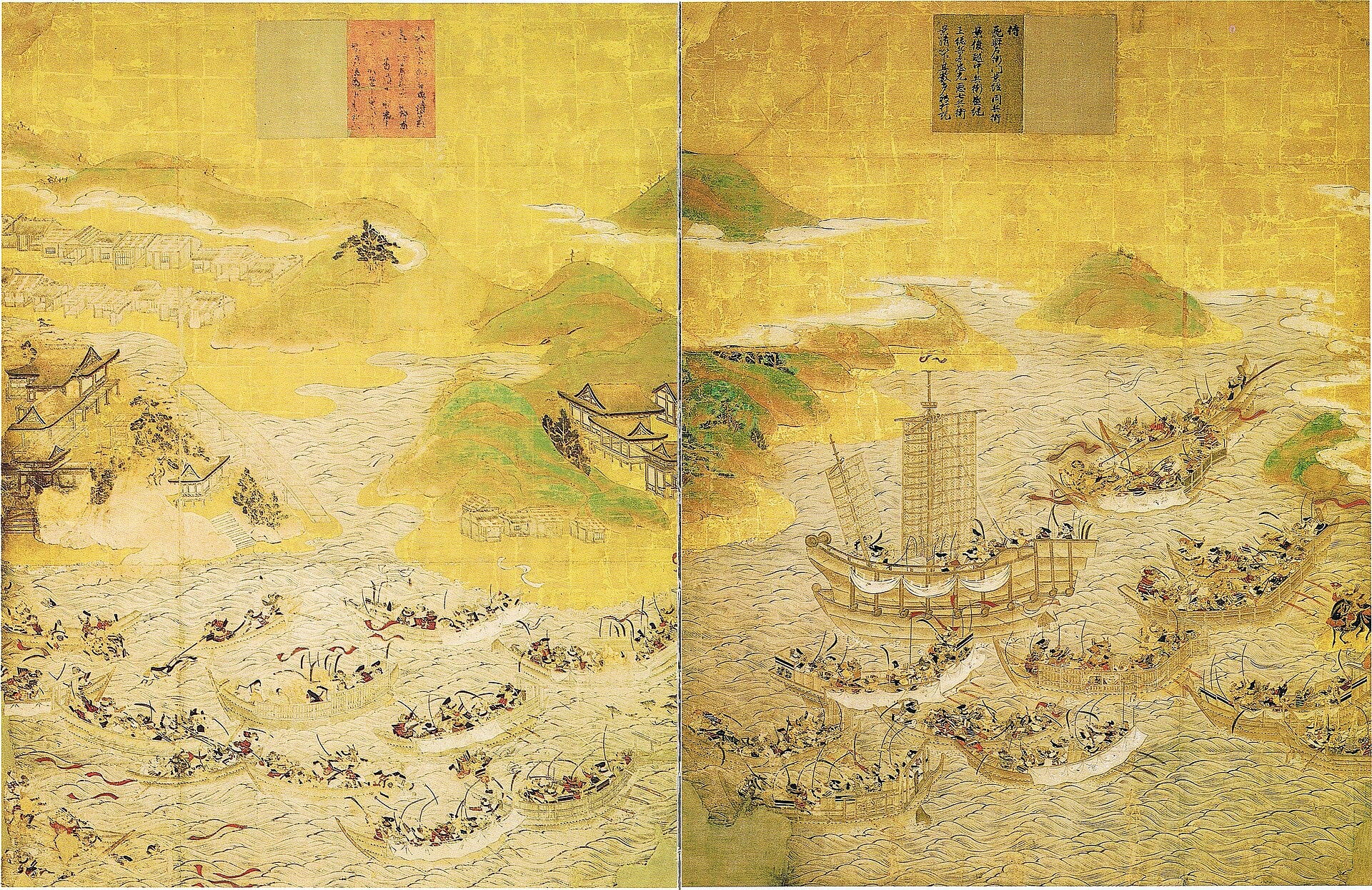
In 1185, a six-year-old boy stood on a warship off western Japan while his clan's fleet lost the battle around him. He was Antoku, emperor of Japan, and at his side were his grandmother and the great sword of the emperors, one of Japan's most sacred treasures. As the enemy closed in, what would she do with the boy and the sword?