
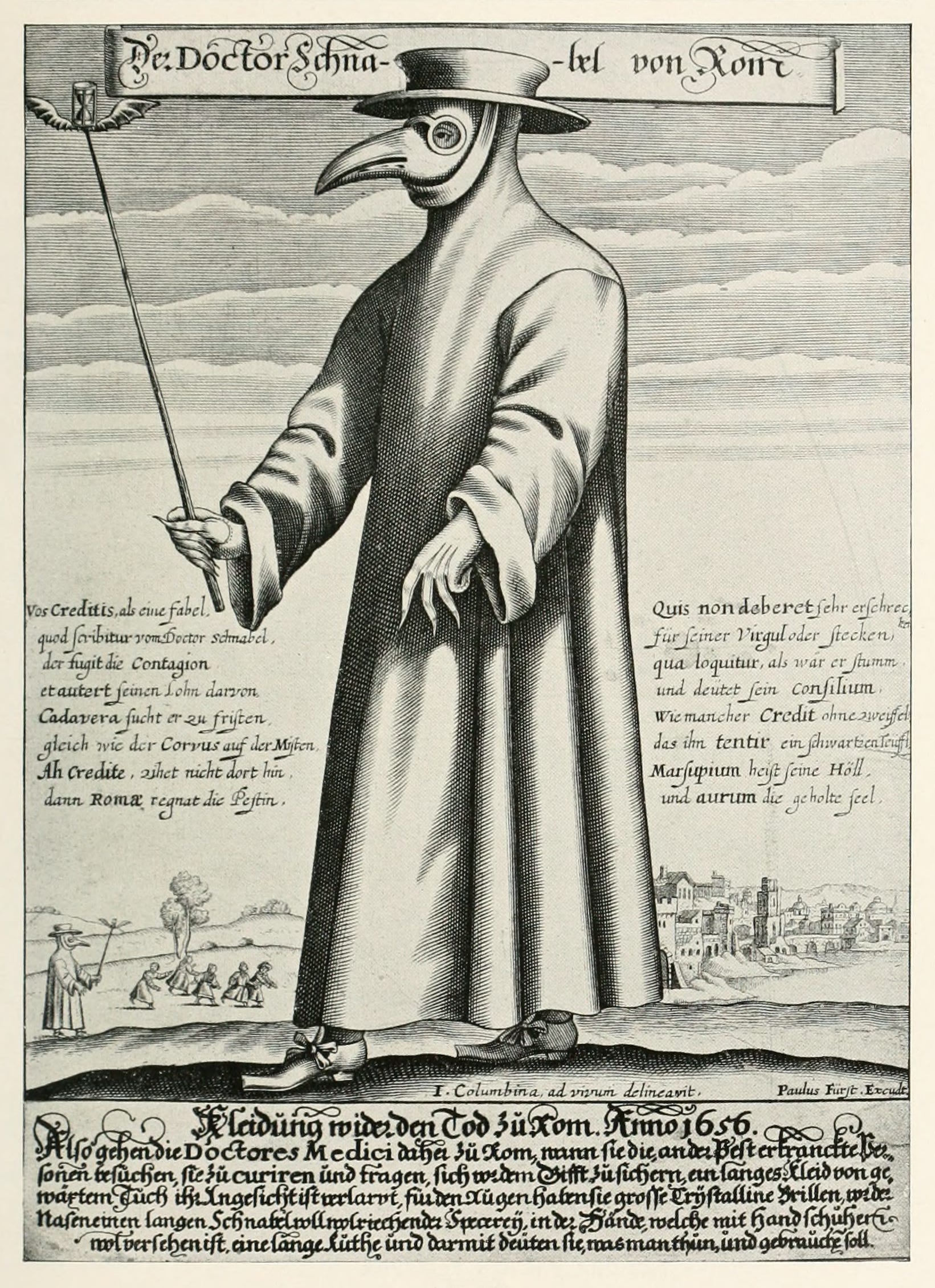
In the 1600s, some doctors who treated plague wore a mask with a long beak packed with herbs and perfume. They believed that disease traveled through foul air, and the scent was meant to keep it out. For most of history, no one knew what really caused an epidemic. Many of the deadliest simply ran their course, after killing a large share of the people they reached.
Cool Stories About History is a newsletter to learn history the fun way.
Join free and get:
6 new stories a month, straight to your inbox
The full archive of stories
Comment, ask questions, and chat with other readers
How These Were Chosen
In everyday English, a plague is any epidemic that kills on a huge scale. Doctors keep the word for one disease, and five of the twelve outbreaks were true plague.
Most of the twelve killed millions, or a large share of a city or a country. Two earned their place another way. The plague of Manchuria killed nearly everyone who caught it, and a cholera outbreak in London showed that the disease traveled in water.
Death tolls are wide estimates, so they do not set the order. The twelve run instead from outbreaks rarely heard of in the United States to the one everyone knows.
12. The Smallpox Epidemic in Japan (735 to 737)
In 737, a smallpox epidemic killed four brothers who stood at the top of the imperial court of Japan. Their father, Fujiwara Fuhito, had led the powerful Fujiwara family and married one of his daughters to the emperor, Shōmu. In a single year, Shōmu lost the most powerful men at his court, and they were also his in-laws.
Smallpox is a disease caused by a virus. It brings a high fever, kills on average three of every ten people who catch it, and leaves survivors scarred with pockmarks. It had first reached Japan in the 500s, with trade from China and Korea.
The epidemic broke out in 735 and spread to the capital, on the site of today's city of Nara, where the court fell into a panic. Modern estimates put the dead at a quarter to a third of Japan's population. No remedy is known to have worked, and the disease died away in 737, the year it killed the brothers.
Their deaths left a gap at the top of the state, and no calm followed. For more than a decade, fights over power, new outbreaks of smallpox and rebellions came one after another.
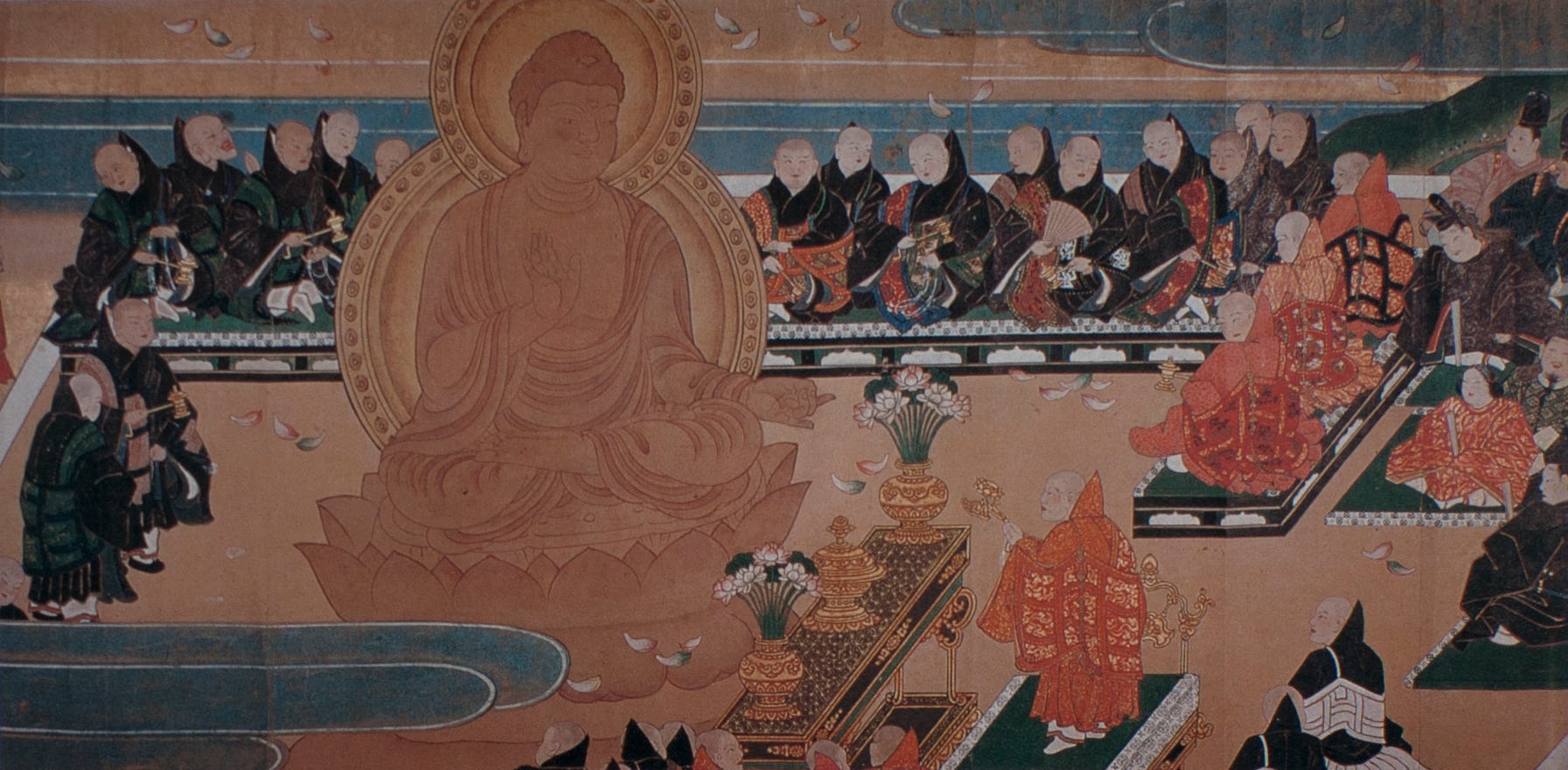
Shōmu looked to religion for protection. In 741 he ordered a network of Buddhist monasteries across the country. Two years later he announced a giant bronze statue of the Buddha, meant to keep the state safe and to save people from illness.
Casting the bronze took three years, in eight stages, and the Great Buddha was consecrated in 752 at Tōdaiji, a temple in Nara. In April 2020, the temple's priests began praying every day at noon in the hall of the Great Buddha. This time they asked for an end to the COVID pandemic.
At a Glance
Disease: Smallpox
When: 735 to 737
Where: Japan, including the capital, now part of Nara
Deaths: A quarter to a third of Japan's population, by modern estimates
How it ended: It died away in 737. The Great Buddha that Shōmu announced in 743 was consecrated in 752
11. The Manchurian Plague (1910 to 1911)
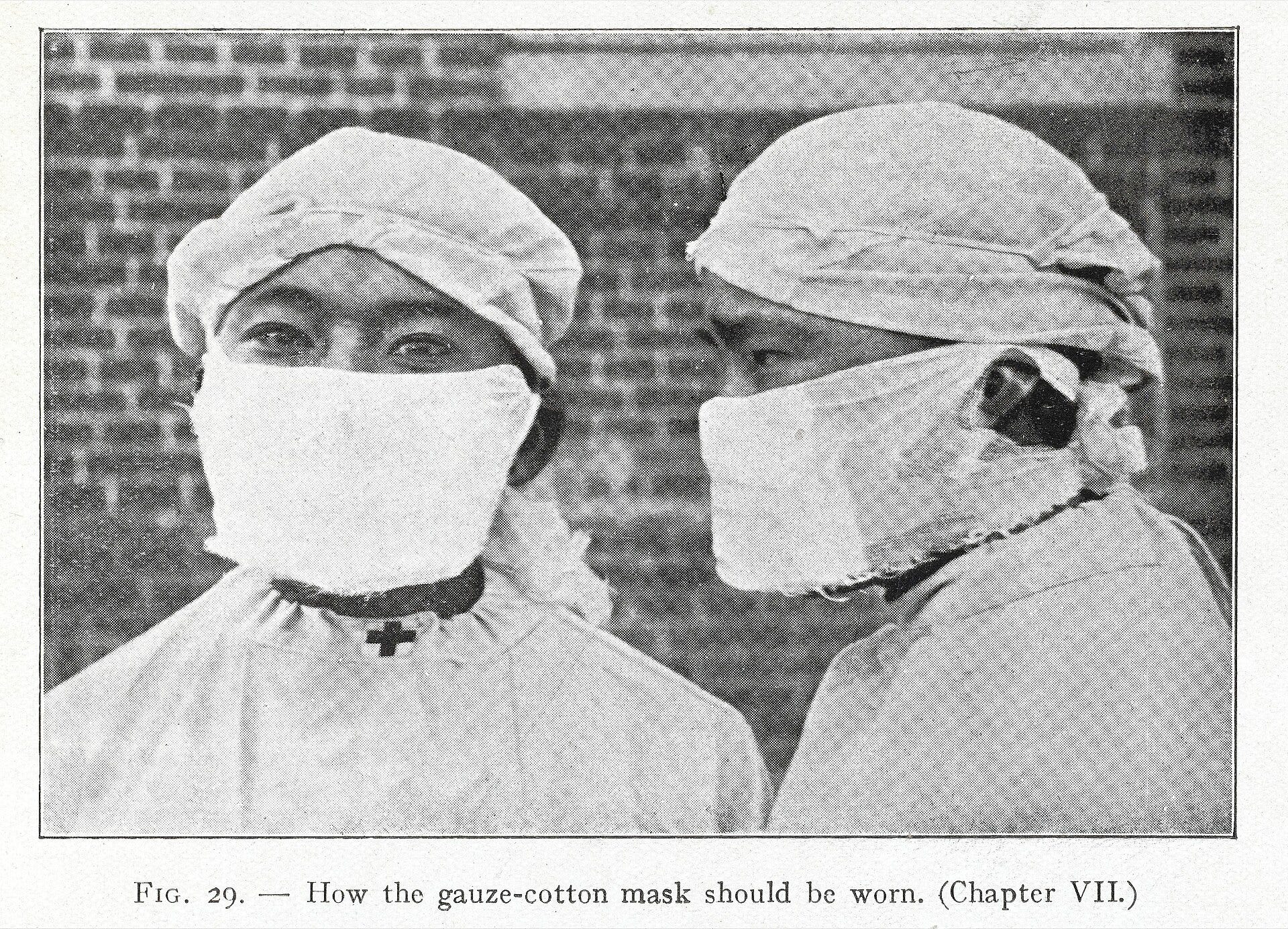
Wu Lien-teh was 31 when he arrived in Harbin, in northern Manchuria, on Christmas Eve 1910, sent by the Chinese government to stop the Manchurian plague. It was minus 30 degrees Celsius, about 22 below zero Fahrenheit, and bodies lay in the streets of a city that had two doctors for 24,000 people. Almost everyone who caught the disease died within days, and no one yet knew how it was passing from one person to the next.