
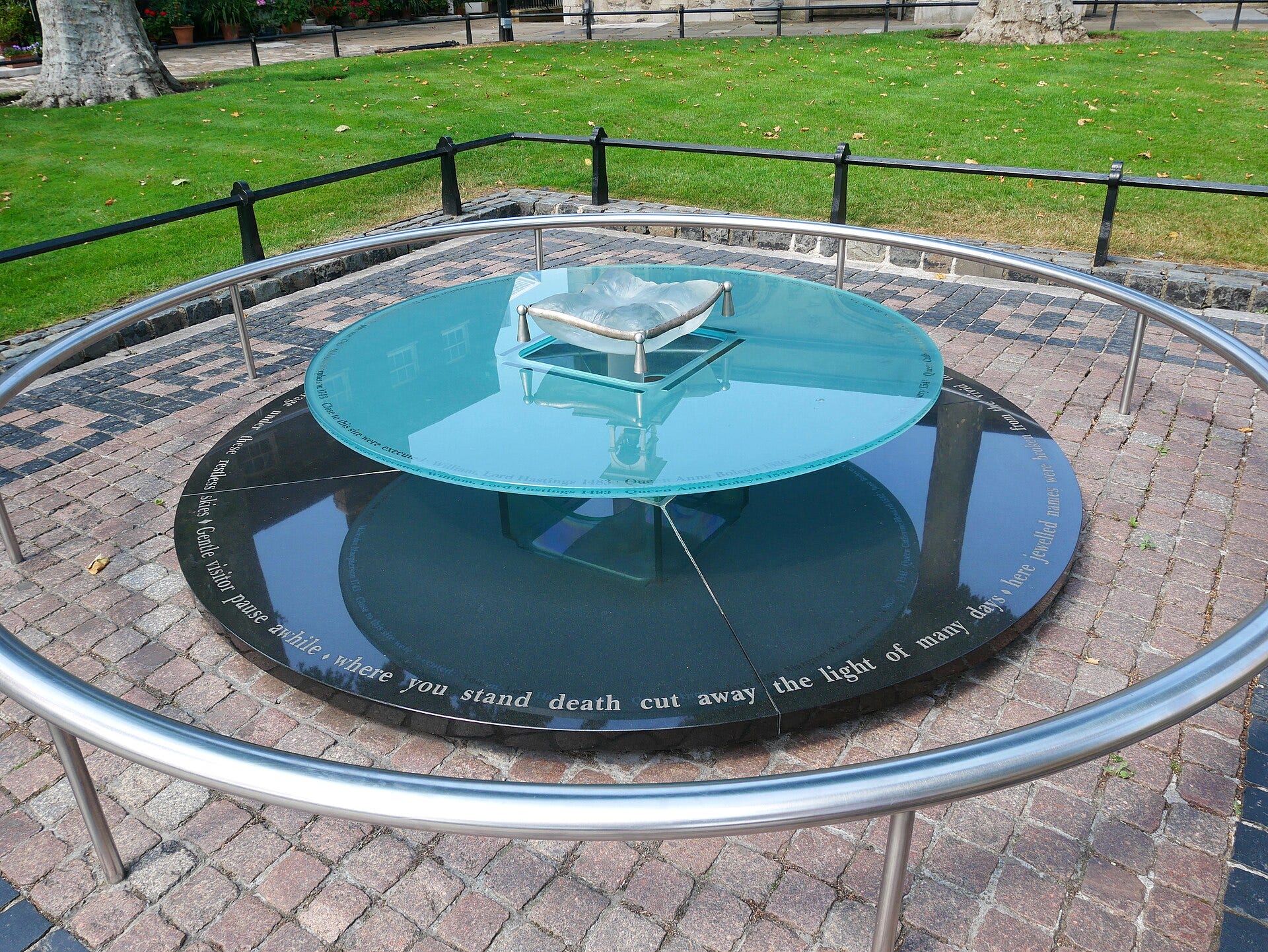
The Tower of London is remembered as a place of beheadings, yet most of its prisoners who were condemned to death never died inside it. They were killed in public outside the gates, many of them on Tower Hill, the open ground just beyond the walls. Begun by William the Conqueror after 1066, the fortress had become England's main state prison by the 1500s, and executions there went on until 1941.
Cool Stories About History is a newsletter to learn history the fun way.
Join free and get:
6 new stories a month, straight to your inbox
The full archive of stories
Comment, ask questions, and chat with other readers
How These Were Chosen
Nearly all twelve were condemned for treason, the crime of betraying the king or the state. Historic Royal Palaces, the charity that runs the Tower, estimates that around 125 people were executed on Tower Hill.
Dying inside the walls, usually on a lawn called Tower Green, was a privilege kept for a few prisoners of royal or noble rank. The charity counts only ten executions on or near the Green. Plenty of nobles still died on the hill, and these cases split evenly, six outside and six inside.
12. Simon Fraser, Lord Lovat (1747)
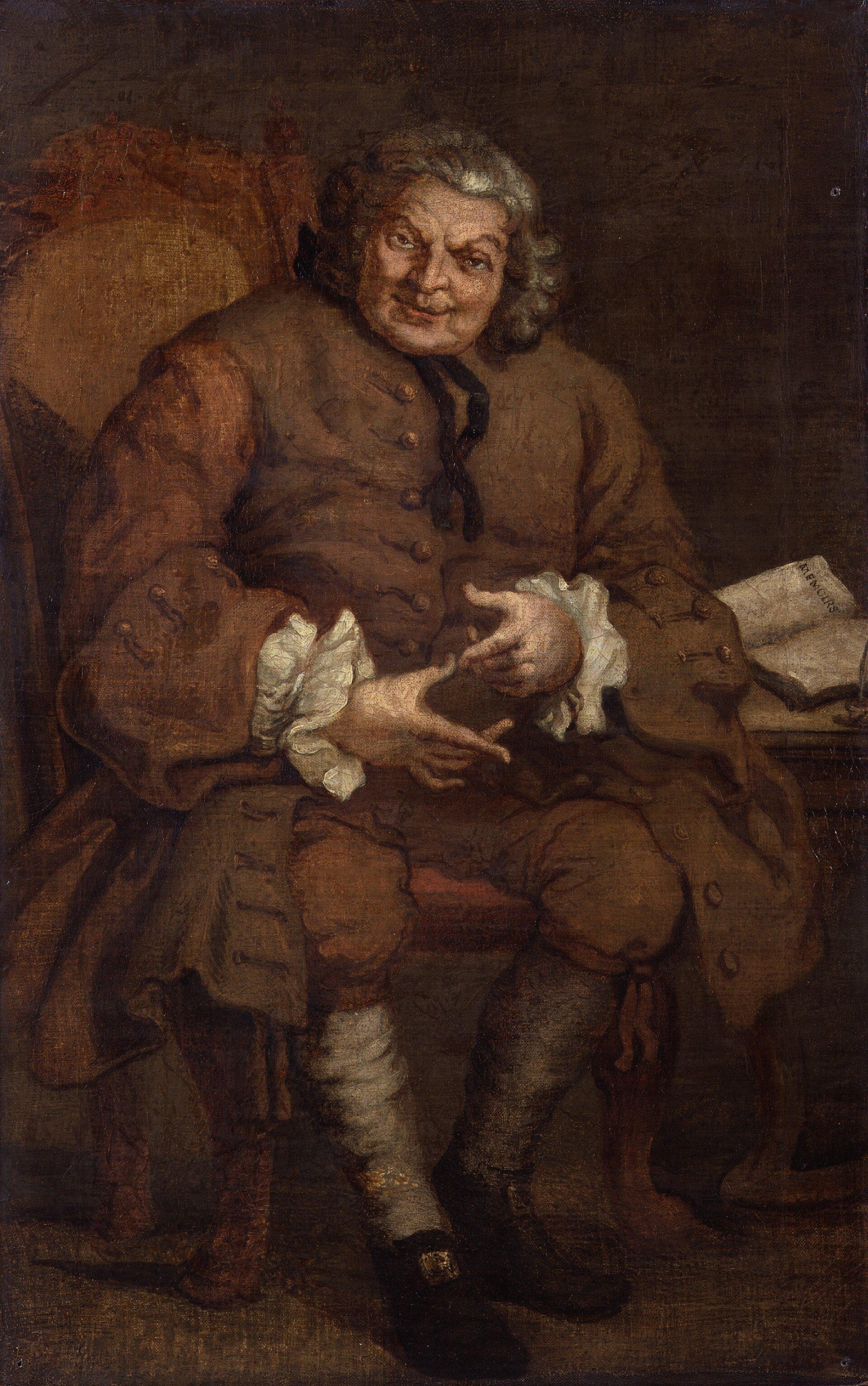
On April 9, 1747, so many Londoners crowded onto Tower Hill to watch a beheading that a wooden viewing stand collapsed and killed several of them. The man they had come to see was Simon Fraser, 11th Lord Lovat, about eighty years old and the chief of the Frasers, a Scottish family clan.
Lovat was a Jacobite, which meant he wanted the exiled Stuart family back on the throne in place of King George II.
In 1745 Charles Edward Stuart, a prince of the exiled family, led a rising in Scotland to win the crown back. Lovat first pretended to stay loyal to George II and then openly backed the prince, although he took little part in the fighting.
The rising was crushed at the Battle of Culloden in April 1746. Lovat was captured and taken to London to be tried by the House of Lords, the upper chamber of Parliament. On March 18, 1747, the Lords found him guilty of treason.
Traitors were usually hanged, drawn and quartered. The condemned man was hanged, then his bowels were cut out and burned before his face, and finally his body was cut into pieces. King George II spared Lovat that death and ordered a beheading instead.
His biographer Sarah Fraser has traced his last morning hour by hour. He woke at three, prayed and drank a glass of wine. At seven he sent his wig back to the barber to be combed out properly. At eleven a carriage took him through the crowd to a small house beside the scaffold.
When he saw how many people had gathered, he said: "God save us, why should there be such a bustle about taking off an old grey head?"
He was the last person in Britain to be beheaded in public, and the wooden block used that day is still on display at the Tower.
At a Glance
Who: Simon Fraser, 11th Lord Lovat, a Scottish clan chief (c. 1667 to 1747)
Date: April 9, 1747
Place: Tower Hill, outside the walls
Charge: High treason (betraying the king), for supporting the 1745 Jacobite rising
Where to see it today: The block used for his execution, on display at the Tower of London, and the Tower Hill Execution Memorial in Trinity Square Gardens, opposite the Tower
11. Margaret Pole, Countess of Salisbury (1541)
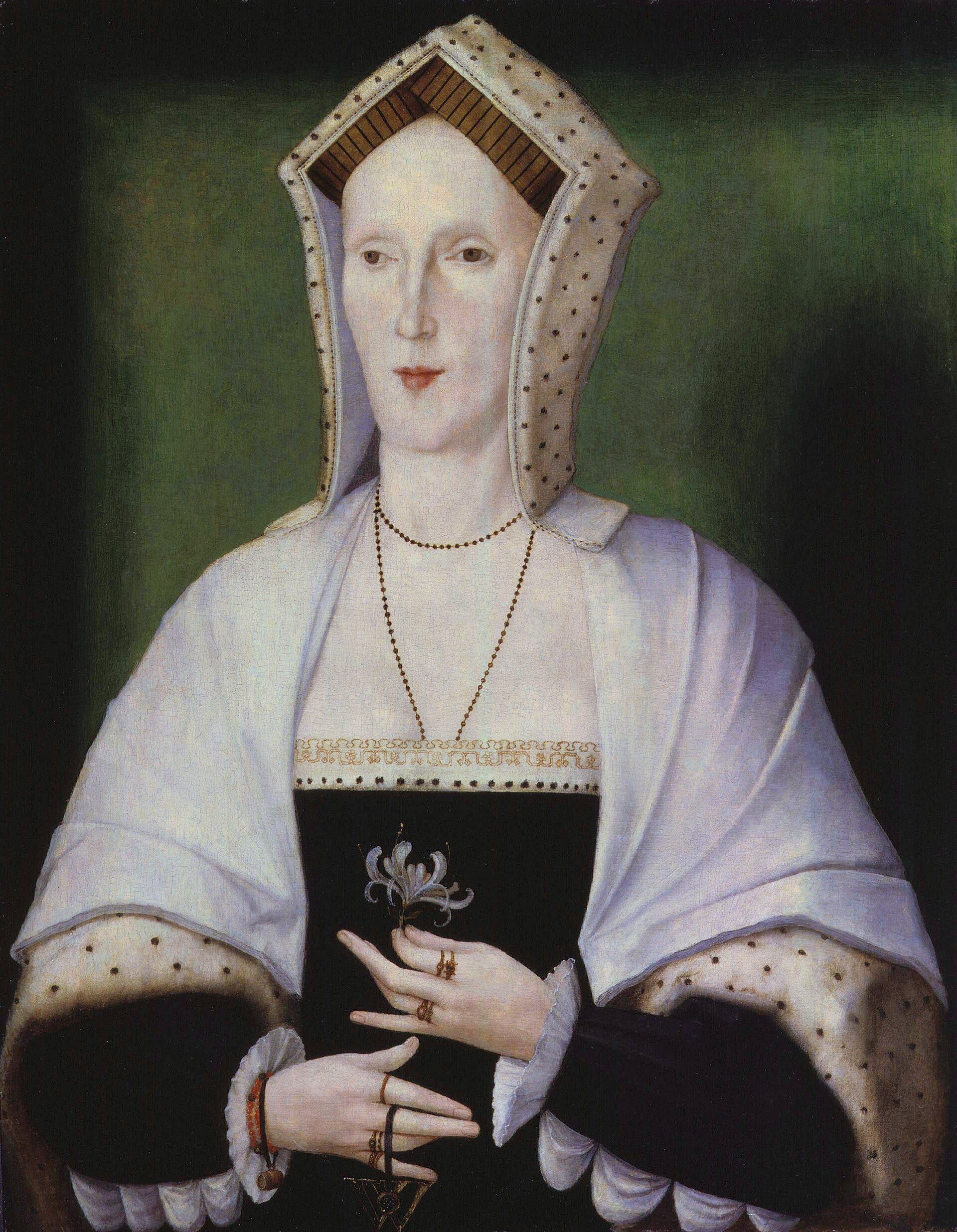
In March 1541, King Henry VIII paid for new clothes for a prisoner in the Tower of London. She was Margaret Pole, a 67 year old countess whose father had been a brother of King Edward IV. The king was already paying for her food, yet two months later he ordered her beheaded. Why would a king who had just dressed a prisoner suddenly want her dead?