
The Hundred Years' War between England and France lasted 116 years, from 1337 to 1453, so even the best-known names in military history can mislead. Some wars carry names that sound like jokes, and others were fought in ways no general would plan. Most began with a real problem, from a badly drawn map to a ruined harvest, and a government sent soldiers or warships to solve it.
Cool Stories About History is a newsletter to learn history the fun way.
Join free and get:
6 new stories a month, straight to your inbox
The full archive of stories
Comment, ask questions, and chat with other readers
How These Were Chosen
Not all twelve were declared wars. Some were standoffs between militias, one was a single night of gunfire at sea and one was an army operation against wild birds. In every case, though, at least one government sent soldiers or warships.
A conflict earned its place when something about it sounds absurd: its cause, its name or the way it was fought. The records of the time also had to bear the story out.
The count runs roughly from the episodes an American is least likely to know to a war tied to George Washington's family.
12. The Dogger Bank Incident (1904)
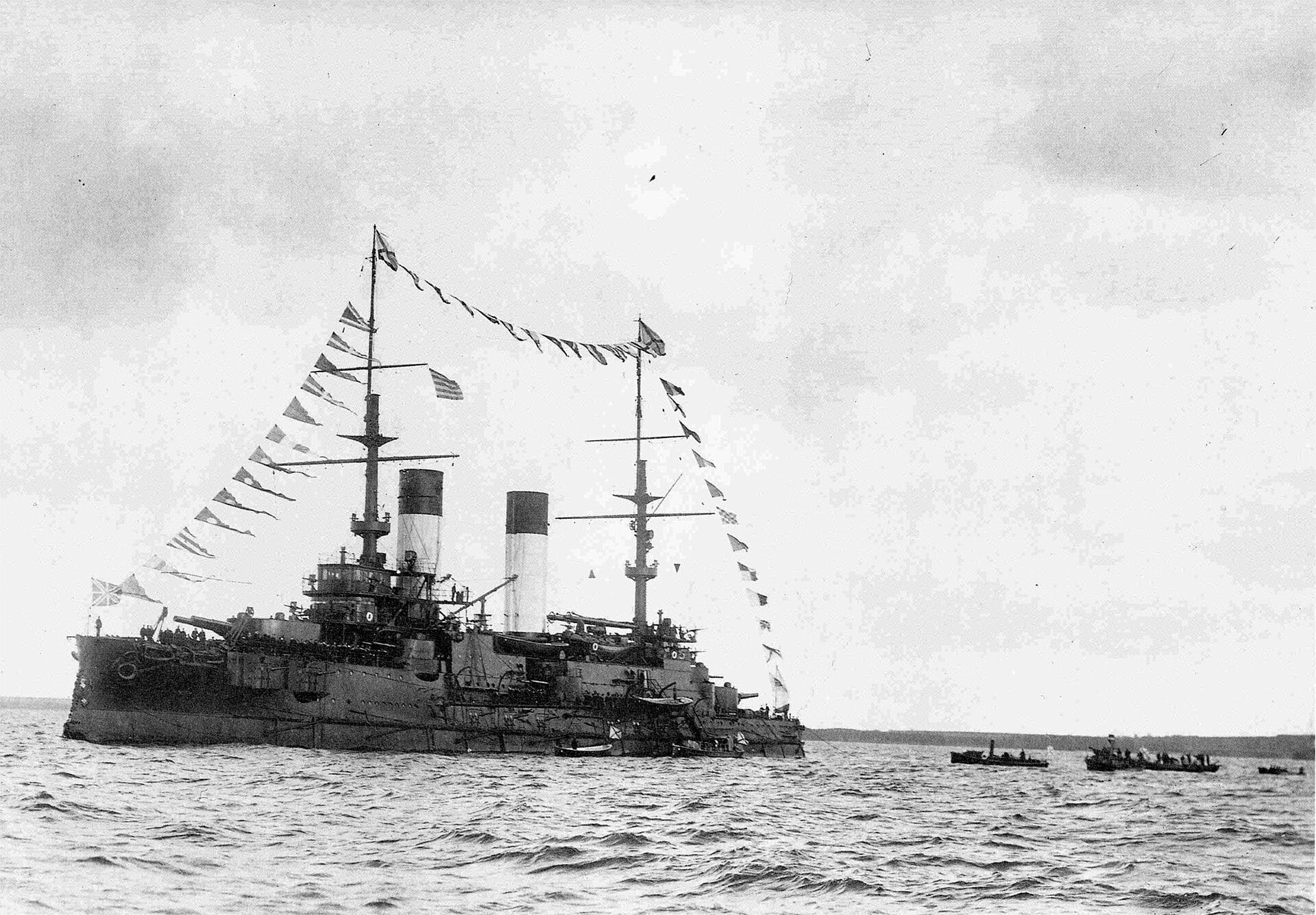
On the night of October 21, 1904, about 50 trawlers from the English port of Hull were fishing on the Dogger Bank, a shallow stretch of the North Sea. A column of warships came out of the dark, and their guns opened fire on the fishing boats. The night went down as the Dogger Bank incident.
The warships belonged to Russia's Baltic Fleet, under Admiral Zinovy Rozhestvensky. Russia was at war with Japan, and the fleet had left the Baltic six days earlier to sail halfway around the world and fight the Japanese navy.
In the dark, Russian lookouts took the trawlers for Japanese torpedo boats, small fast craft built to sink large ships. The firing lasted about twenty minutes. One trawler went down, two fishermen were killed and others were wounded.
The confusion spread through the fleet itself. Russian ships fired on one another as well, and two of their own men died.
Britain geared up for war. On October 28, Prime Minister Arthur Balfour announced that the tsar had expressed regret and that an international commission would investigate. The apology, with a promise of compensation, kept the two countries out of war.
Five admirals, from Britain, Russia, France, Austria-Hungary and the United States, heard the evidence. Their report of February 25, 1905, found that no torpedo boats had been near the trawlers and that "the opening of fire was not justifiable." The only targets that night had been fishing boats and Russian warships, and Russia paid compensation.
The fleet had sailed on in the meantime. Seven months after leaving the Baltic, it met the Japanese navy in the Tsushima Strait, between Korea and Japan. In two days of fighting from May 27, 1905, about two thirds of its ships were sunk.
At a Glance
Who: Russia's Baltic Fleet, under Admiral Zinovy Rozhestvensky, against fishing boats from Hull
Date: Night of October 21, 1904
Place: The Dogger Bank, in the North Sea
Toll: One trawler sunk, two fishermen killed, two Russians killed by their own side
How it ended: The tsar's apology, an international inquiry in 1905 and Russian compensation
About This War
What was the dumbest battle in history?
No battle holds that title by agreement. One of the strangest nights at sea came on October 21, 1904, when Russian warships fired on British fishing boats in the North Sea, and on one another.
11. The Flagstaff War (1845 to 1846)
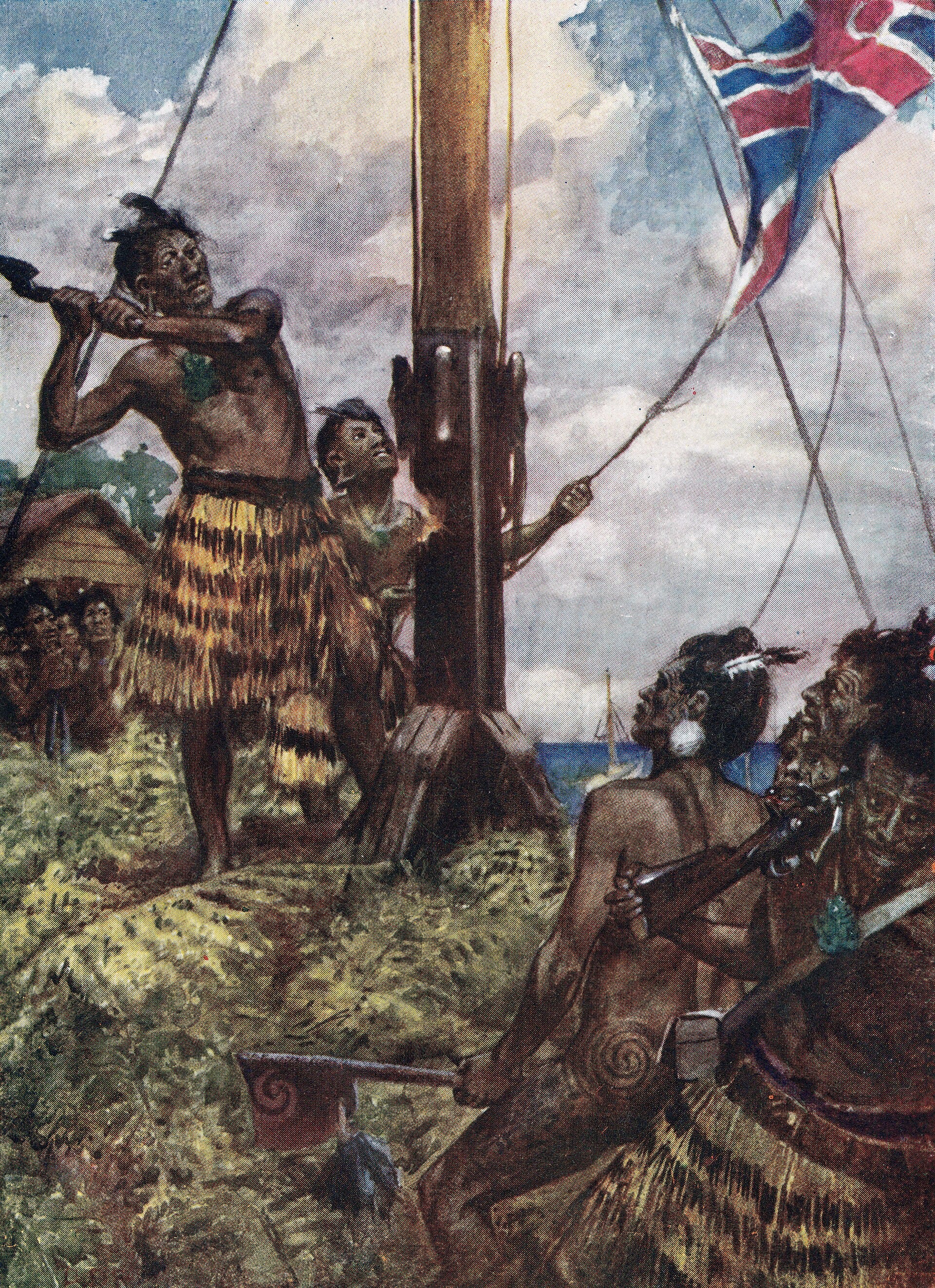
Hōne Heke, a Māori chief in the far north of New Zealand, cut down the same British flagstaff four times. It stood on a hill above the harbor town of Kororāreka, on the Bay of Islands, and the fourth felling, on March 11, 1845, opened the Flagstaff War. Why would a chief take on the British Crown over a wooden pole?