
Until 993, no pope had ever declared anyone a saint. Christians made their saints locally, by praying at a grave or by carrying a martyr's bones into a church, and the stories grew with every retelling. Popes later took that power for themselves, but many local cults survived the change, and in one French forest, mothers went on praying to a dog.
Cool Stories About History is a newsletter to learn history the fun way.
Join free and get:
6 new stories a month, straight to your inbox
The full archive of stories
Comment, ask questions, and chat with other readers
How These Were Chosen
Saints and figures treated as saints earn a place here when the life, the death, the cult or the patronage goes far beyond the usual miracles of prayer and healing. Witnesses saw some of these oddities. Others come down in accounts written long after the saint died.
The twelve come from four continents and span seventeen centuries, from martyrs of the third century to a proposal made to the Vatican in 1999.
The order runs from the name an American is least likely to know to the one nearly everyone does, and it says nothing about who is strangest.
12. Saint Guinefort, the Greyhound (Before 1261)
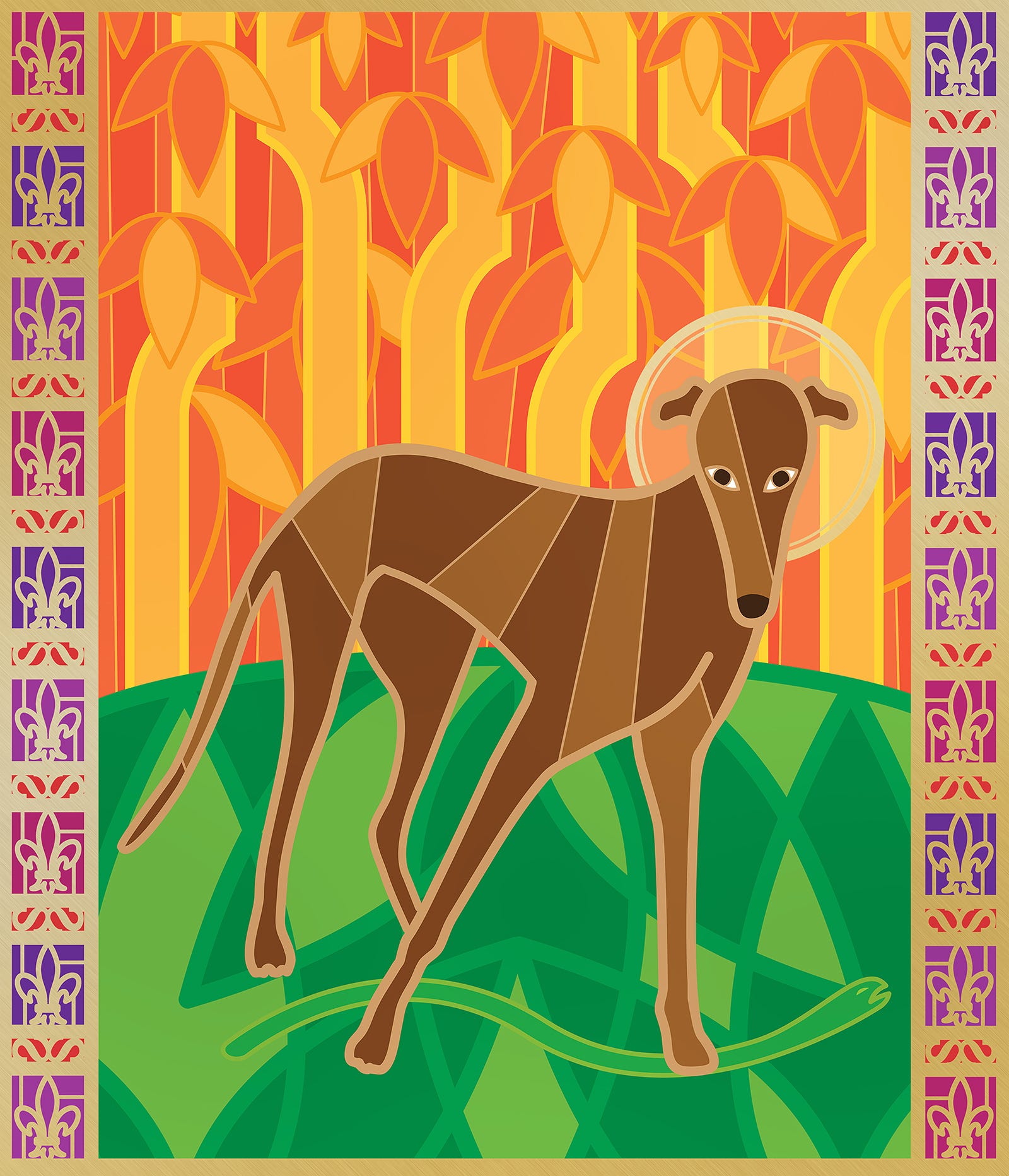
In a forest north of the French city of Lyon, mothers once brought sick babies to the grave of a greyhound they called Saint Guinefort. In the years before 1261, several women confessed the practice to Stephen of Bourbon, a Dominican friar charged with rooting out false belief, and he went to see the place.
The villagers told him how the dog had died. A knight lived in a castle nearby, and one day he, his wife and the nurse all went out, leaving their baby son alone in his cradle with the greyhound. A large snake slid toward the cradle, and the dog killed it in a fight that knocked the cradle over.
The nurse came back to find the bloodied dog beside the overturned cradle and screamed that he had eaten the child. The knight drew his sword and killed the greyhound, and only then found his son unhurt and the snake dead. In remorse, the family threw the dog into a well before the castle gate, piled stones over it and planted trees around it.
The peasants who heard the story began to pray at the grave to the dog as a martyr, though no bishop had ever named him a saint. Mothers brought him babies who were sickly, because they believed such a baby might be a changeling, a weak child that woodland spirits had left in place of their own.
At the grave they offered salt, hung the baby's clothes on the brambles and passed the naked child nine times between two tree trunks. The mother called on the fauns of the forest to take the changeling and give her own child back. Then she fixed two candles to the trunk and walked away, leaving the baby alone and naked until they burned down.
Some babies died there, and a wolf nearly killed one. A child who lived was dipped nine times in the river Chalaronne, and Stephen concluded that any baby who survived all that "had tough guts." He preached against the cult and had the dog's bones dug up and burned with the trees of the grove.
The local lords threatened to seize the goods of anyone who went back, and people went back anyway. A document of 1632 mentions a chapel of "Saint Guy le Fort" at the site. In the 1970s, people of the area still remembered an old woman who had practiced the cult in the 1930s.
At a Glance
Who: Guinefort, a greyhound prayed to by peasants as a healer of children
Date: Cult recorded before 1261
Place: A forest north of Lyon, France
Why so strange: A dog honored as a martyr, never recognized by any bishop
Outcome: Bones burned by an inquisitor, cult still practiced in the 1930s
11. Tekle Haymanot (Thirteenth Century)
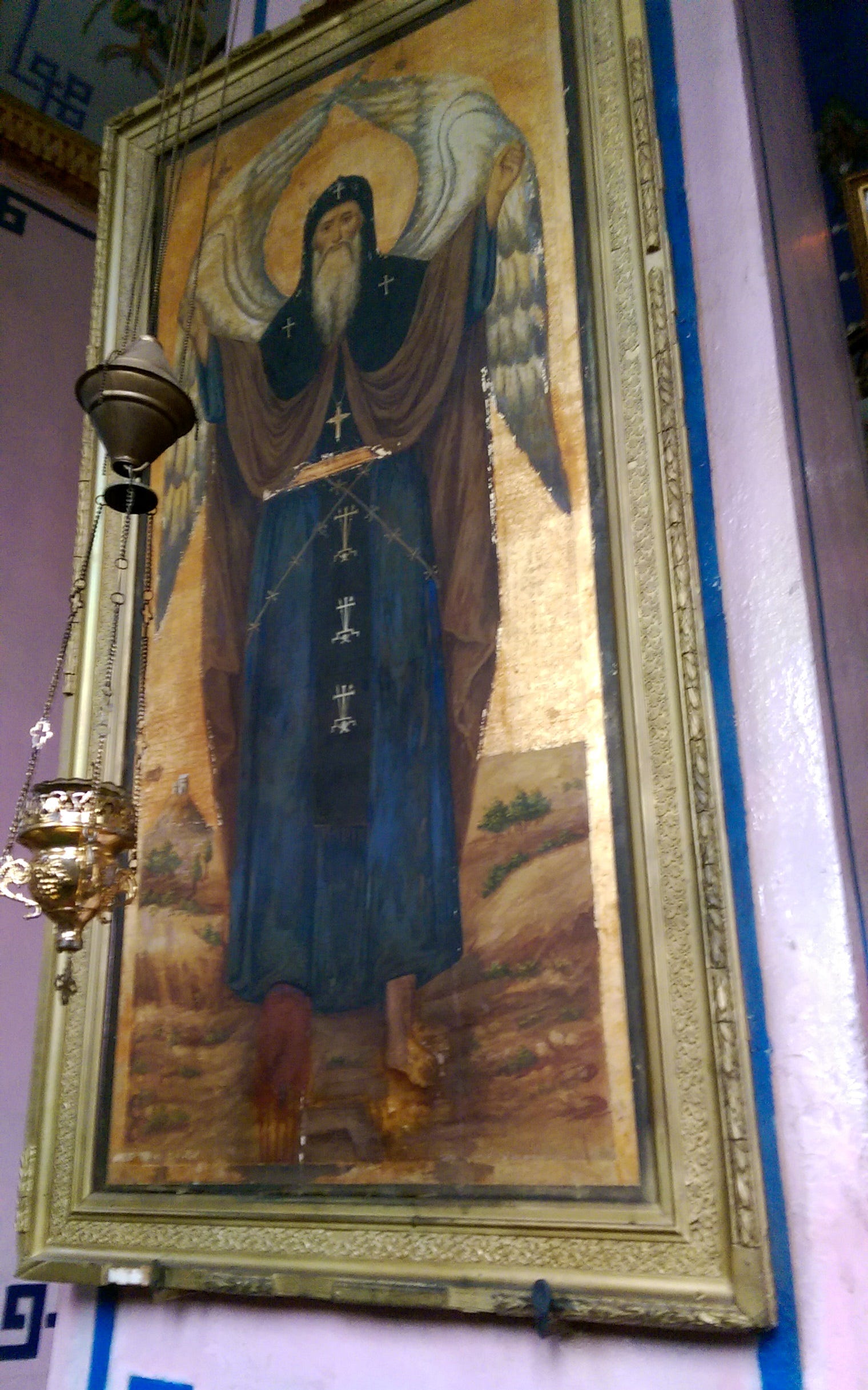
Tekle Haymanot lived in the thirteenth century and is the most revered saint of the Ethiopian Orthodox Church, the ancient Christian church of Ethiopia. Its painters show him as an old man with a gray beard, standing on a single leg, with six wings spread at his back. Why would a church paint its greatest saint with one leg and six wings?