
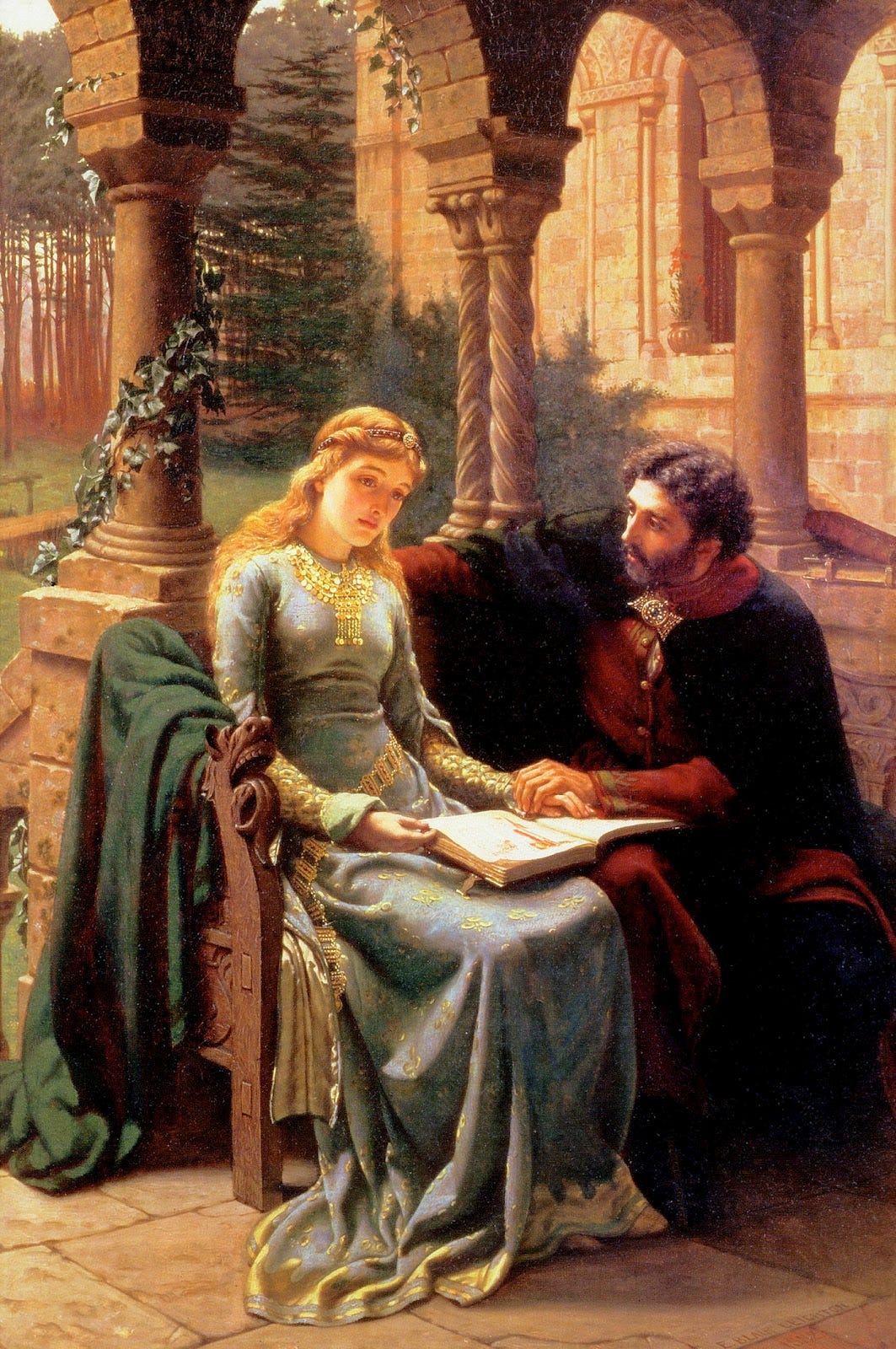
Romeo and Juliet never lived, but history is full of real lovers whose stories ended just as badly. Some were killed because their love stood in the way of power, and others lost each other to illness or childbirth. Many left something that can still be seen today, from farewell letters kept 89 years in a bank safe to a tomb that took sixteen years to build.
Cool Stories About History is a newsletter to learn history the fun way.
Join free and get:
6 new stories a month, straight to your inbox
The full archive of stories
Comment, ask questions, and chat with other readers
How These Were Chosen
Every couple here really lived, and they run from the least familiar to the most famous. Lovers from plays, poems and myths were left out, and where a legend grew around a true story, the legend is called a legend.
Each story ends with a death. Some lovers were killed, together or apart, and others died of illness or soon after childbirth. In one case, the two had been parted by violence more than twenty years before.
12. Pedro I of Portugal and Inês de Castro (1355)
On January 7, 1355, in the Portuguese city of Coimbra, King Afonso IV of Portugal came to see the woman his son loved. After a tense interview, the old king handed Inês de Castro over to assassins.
Inês was the illegitimate daughter of a nobleman from Galicia, in the northwest of Spain. Around 1340 she came to Portugal with her cousin Constanza, who was to marry Pedro, the heir to the Portuguese throne. Pedro soon fell for Inês, and the passion between them began while he was married to her cousin.
Constanza died in 1345, and from then on Pedro and Inês lived together openly. They had several children, and her two brothers gained a growing influence over the prince, which made the court hostile to the whole family.
In 1354, Pedro claimed the throne of Castile, the larger kingdom next door. His father feared the power the Castro family would hold in Portugal once his son was king. Soon after the claim, Afonso decided that Inês had to die.
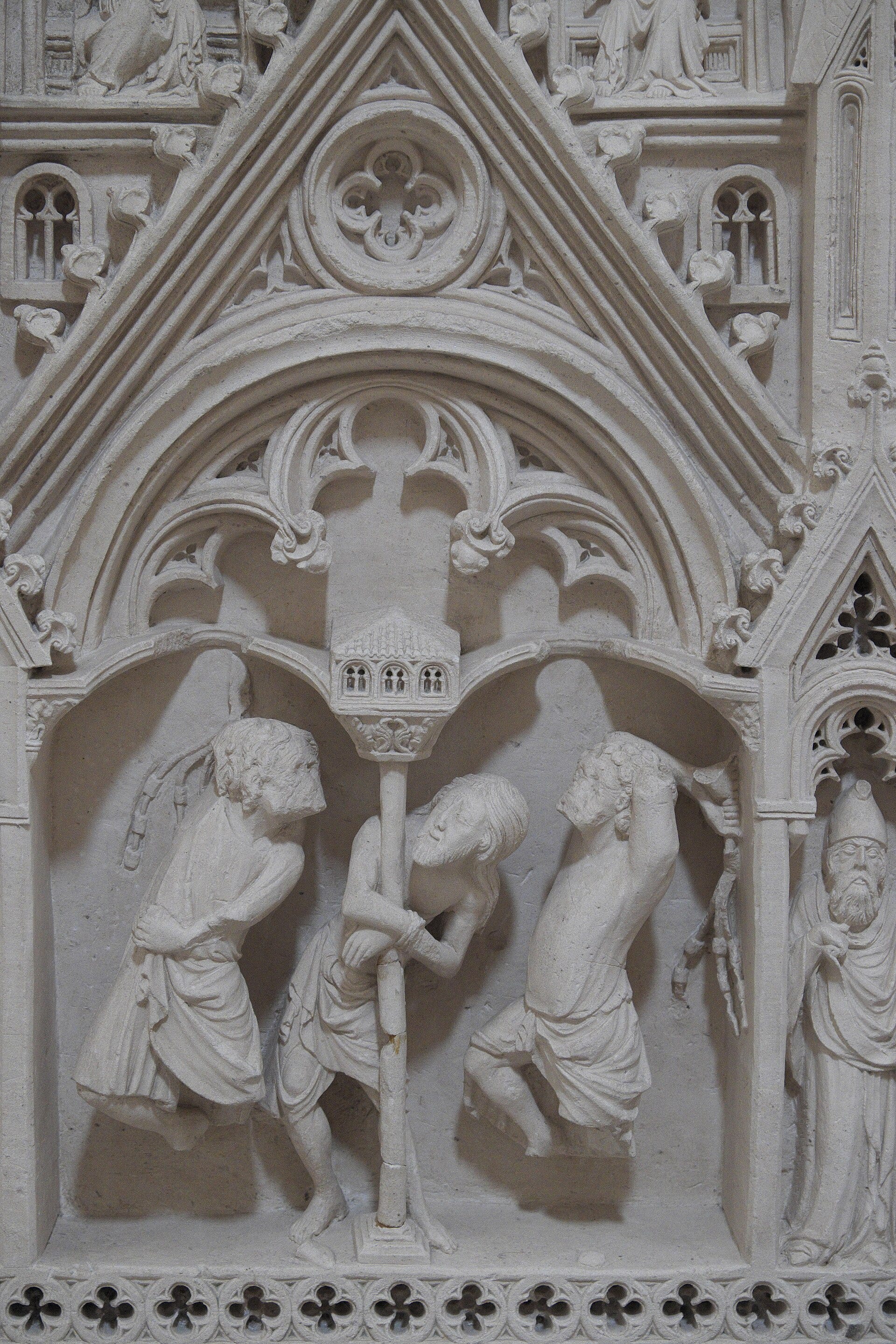
Pedro became king in 1357, two years after her death. He had her body moved to the abbey church of Alcobaça, a great monastery in central Portugal. Around 1360, he ordered two matching tombs carved in stone, one for Inês and one for himself.
A legend says that Pedro had her corpse crowned and made his courtiers kiss the dead woman's hand. Nothing shows that it happened. The twin tombs, on the other hand, are still in the abbey church, damaged by French soldiers in 1810 and 1811, when Napoleon's armies invaded Portugal.
At a Glance
Who: Inês de Castro (died 1355) and Pedro I of Portugal (king from 1357)
Date: January 7, 1355
Place: Coimbra, Portugal
How it ended: Inês was handed over to assassins on the orders of King Afonso IV, Pedro's father
Where to see it today: The twin tombs Pedro ordered around 1360, in the abbey church of Alcobaça, Portugal
11. Manuela Sáenz and Simón Bolívar (1828)
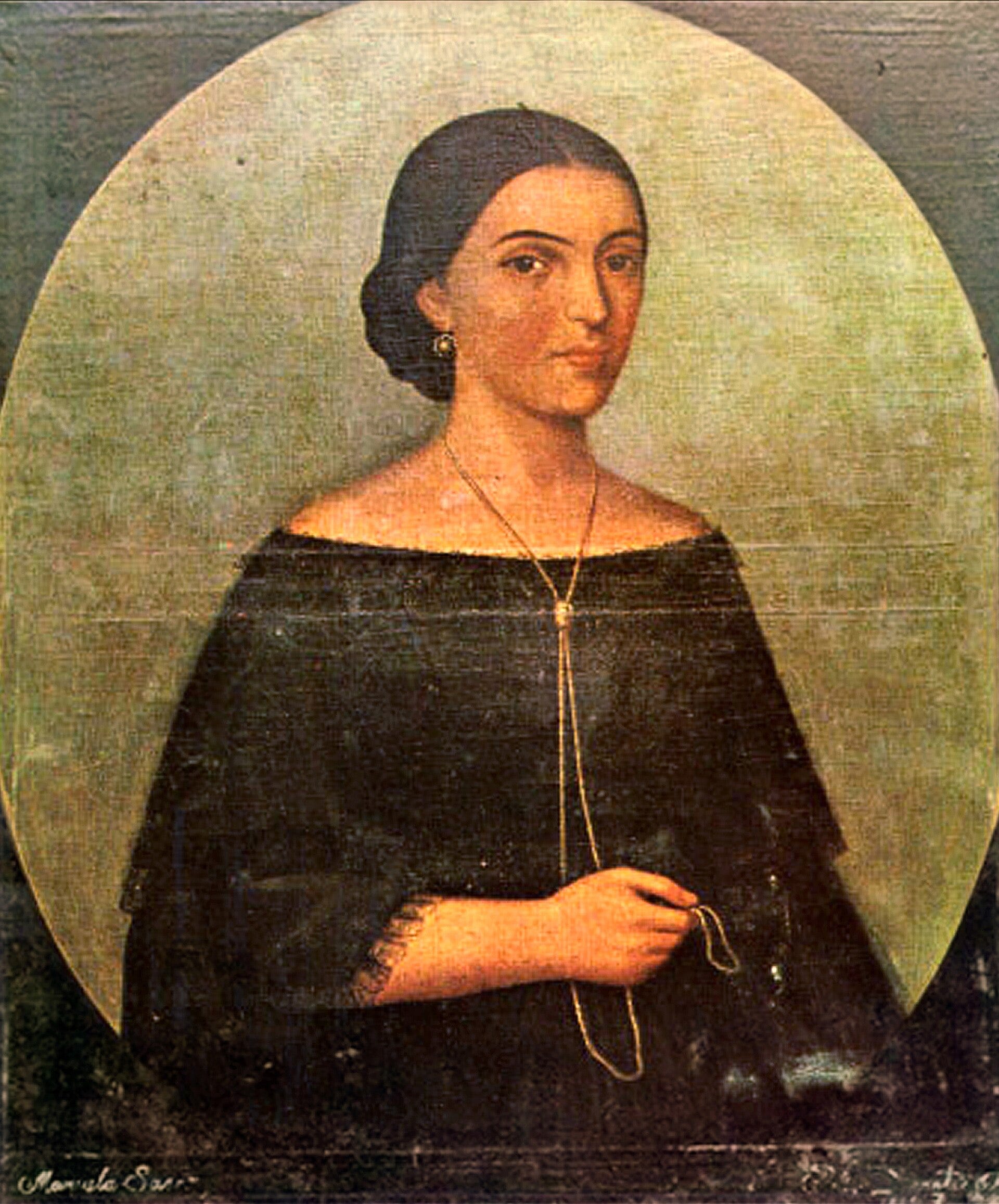
On the night of September 25, 1828, armed men entered the presidential palace in Bogotá, the capital of today's Colombia, while Simón Bolívar slept. Known as the Liberator, Bolívar had led the wars that freed much of South America from Spanish rule. In the room with him was his lover, Manuela Sáenz, and she had to get him out of a bedroom whose door the attackers were already guarding.