
In the 1500s and 1600s, many Europeans, kings included, swallowed medicines made from human bones, blood and fat. The reasoning was that like cures like, so ground-up skull was taken for pains in the head. Doctors also believed that health depended on four fluids in the body, called humors, and they drew blood or raised blisters to bring them back into balance.
Cool Stories About History is a newsletter to learn history the fun way.
Join free and get:
6 new stories a month, straight to your inbox
The full archive of stories
Comment, ask questions, and chat with other readers
How These Were Chosen
Here, a strange medical practice means a treatment that looks strange today but that a healer or a patient trusted at the time. Some grew out of the theory of the humors, others out of faith in a royal touch or in new miracle drugs.
Every case has a date and a place, from an Inca skull to an operation in 1941. Three of the treatments actually worked: an anesthetic, an operation on the skull and an early protection against smallpox.
The twelve begin in Japan in 1804, with a surgeon few Americans have heard of, and end at Mount Vernon with the last hours of George Washington.
12. Kan Aiya and Seishu Hanaoka (1804)
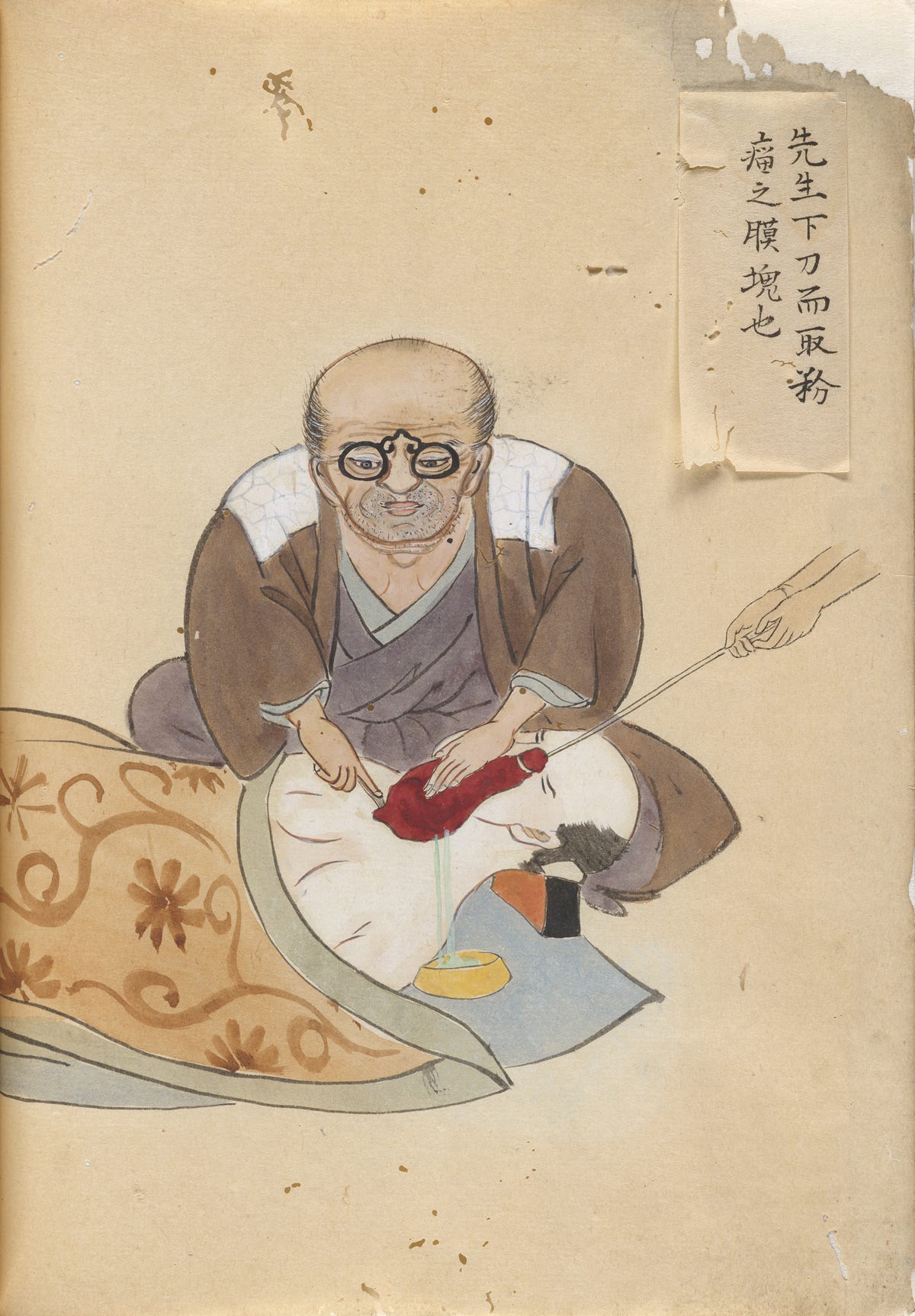
On October 13, 1804, a 60-year-old Japanese woman named Kan Aiya lay unconscious while a surgeon cut a tumor out of her left breast. The surgeon, Seishu Hanaoka, had put her to sleep with a drug of his own invention.
Hanaoka was attempting what is now called general anesthesia, which keeps the whole patient in a deep sleep for the length of an operation. In the Japan of his day the idea did not exist, and bearing pain was thought to be a virtue.
His drug, which he called mafutsusan, mixed six medicinal herbs around one main plant, datura, a relative of deadly nightshade. Finding a dose that would put a patient to sleep without doing harm took him almost twenty years.
He tested the drug many times on his own family, his mother among them. When he finally thought the dose was safe, he gave it to his wife, and she reportedly went blind.
With Kan Aiya, the drug did its work. She slept through the operation, woke up and went home. Her cancer had already spread, though, and she died about six months later.
She was only the first. Hanaoka went on to operate on more than 150 women with breast cancer.
Kan Aiya's operation is the first known removal of a breast cancer under general anesthesia. It took place 38 years before the American doctor Crawford W. Long first operated using ether, in 1842.
At a Glance
Who: Kan Aiya, 60, and the Japanese surgeon Seishu Hanaoka
Date: October 13, 1804
Place: Japan
Treatment: Mafutsusan, a drug of six herbs built around datura
Outcome: The operation succeeded. By one account, her cancer had spread and she died about six months later
11. The Squier Skull (found 1865)
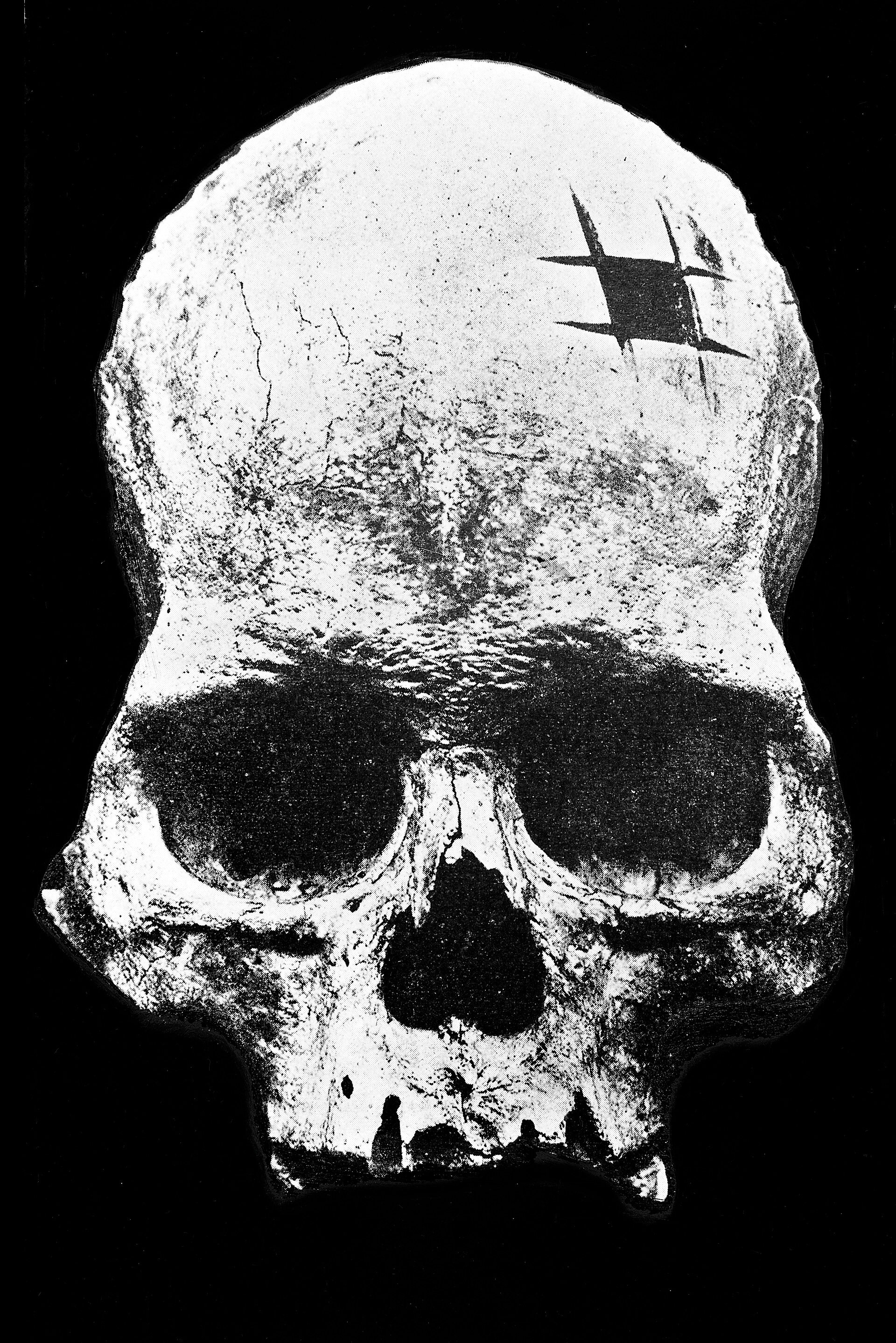
In 1865, in the Peruvian city of Cuzco, high in the Andes, the American archaeologist Ephraim George Squier found an Inca skull with a hole in it. The bone had been cut away on purpose. Had someone cut into a dead body, or had a surgeon opened the head of a living patient who then survived?