
By the middle of the 1800s, adjustable alarm clocks existed, but they were costly and unreliable. So across Britain, workers paid someone to tap on their bedroom windows before dawn. Many jobs of the past began that way, as the answer to a practical need, and they look strange today because the need has disappeared.
Cool Stories About History is a newsletter to learn history the fun way.
Join free and get:
6 new stories a month, straight to your inbox
The full archive of stories
Comment, ask questions, and chat with other readers
How These Were Chosen
Each of these twelve jobs comes with a real person tied to it. They run from a palace doctor in Egypt around 2200 BC to a woman reading aloud to Cuban cigar rollers in 2008.
Two of the jobs killed the people who did them, and one put a stamp of the king's signature in a courtier's hands. Most vanished with the need behind them, but one survives as a ceremony at British coronations, and another still goes on in Cuban factories.
The best known job comes last, and there is no proof that the boy tied to it ever did it.
12. George Brewster, the Climbing Boy (1875)
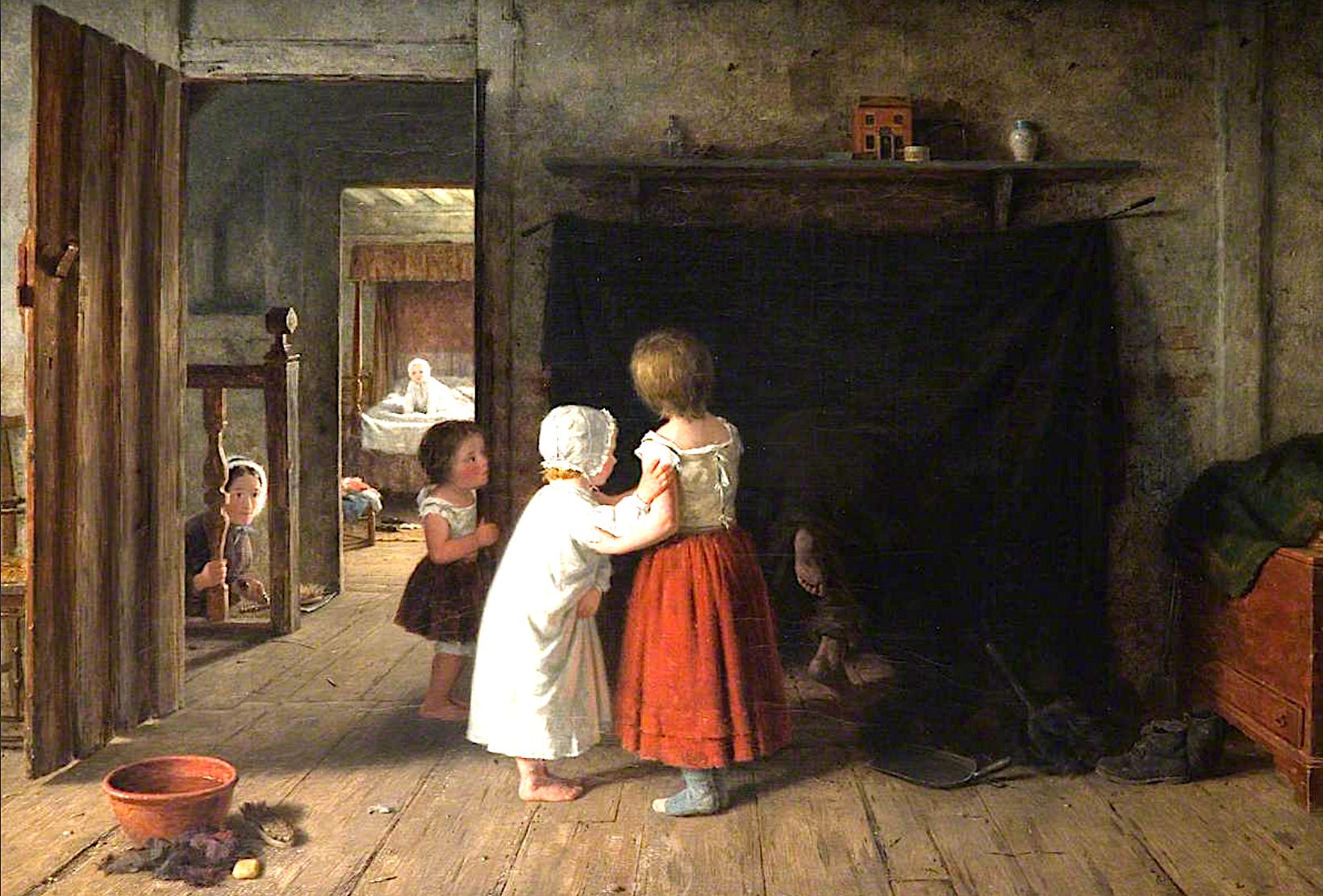
Inside the boiler chimney of Fulbourn Hospital, near Cambridge, England, a boy named George Brewster became stuck. The flue was very narrow, and he could not get free.
Part of the chimney at the hospital, then the county asylum, had to be taken apart to reach him. When he was brought out, every attempt to revive him failed.
George had been born in London in 1863, and he died in February 1875. The inquest found that he had suffocated, his death "caused by the presence of soot in the lungs and wind-pipe."
He worked for William Wyer, a Cambridge chimney sweep hired to clean the boiler chimney. Only a small body could fit inside a narrow flue, which is why master sweeps sent boys up them.
Parliament had already passed laws against climbing boys, in 1840 and again in 1864, but some masters went on using them. The coroner's jury at Cambridge returned a verdict of manslaughter against Wyer, and he was sentenced to six months of hard labor.
On February 16, 1875, the Earl of Shaftesbury raised the case in the House of Lords and called it "perfectly scandalous and abominable." The government replied that "there had been no failure of justice so far."
Shaftesbury did not let the matter rest. That same year he pushed through the Chimney Sweepers Act of 1875, which finally ended the practice of sending boys up chimneys.
At a Glance
Who: George Brewster, a climbing boy born in London in 1863
Job: Climbing inside chimney flues for a master sweep
When: February 1875
Where: Fulbourn Hospital, near Cambridge, England
What came of it: His master got six months of hard labor, and the Chimney Sweepers Act of 1875 ended the use of climbing boys
11. Richard Munslow, the Last Sin-Eater (died 1906)
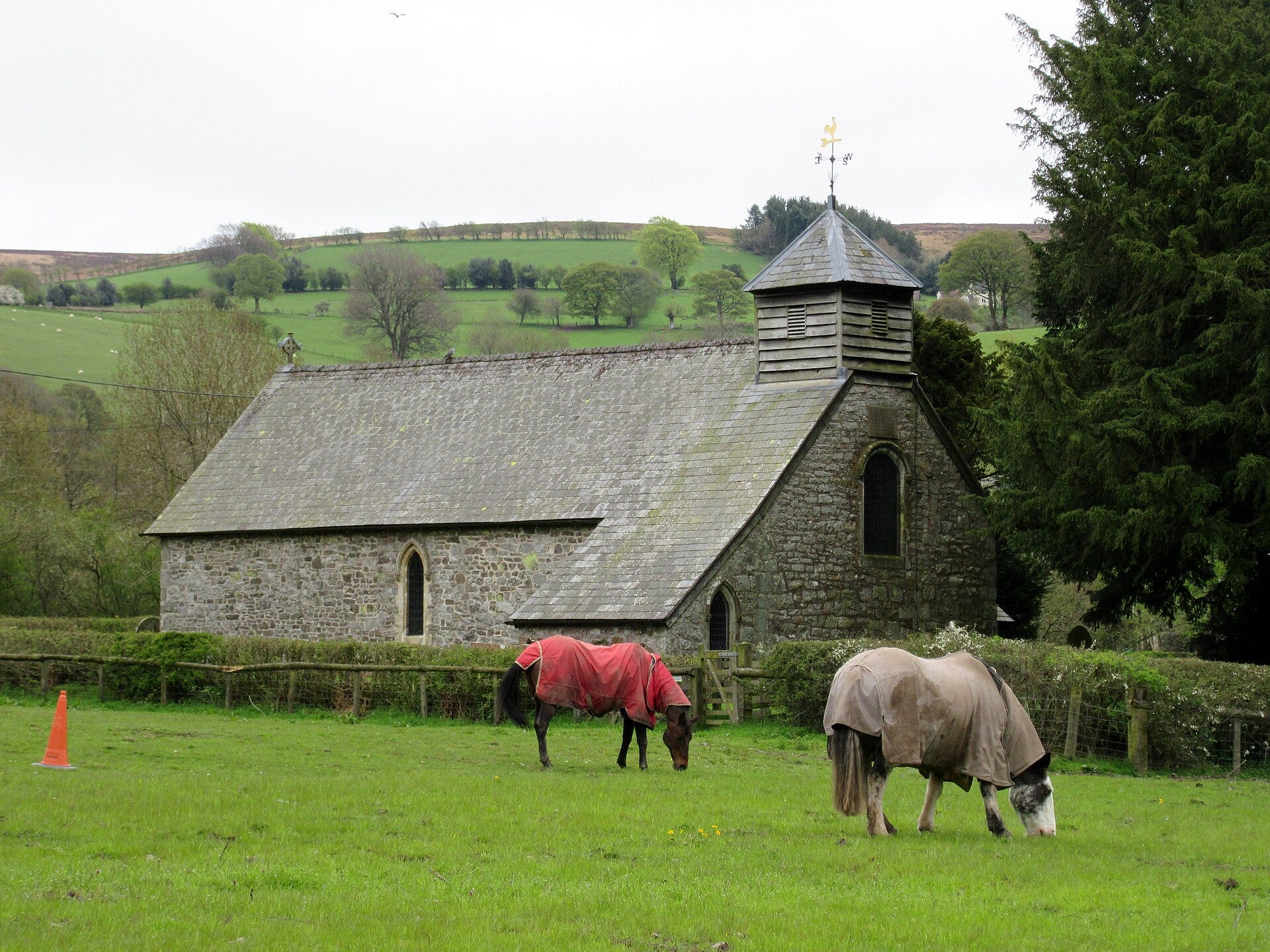
Bread, beer and sixpence were the wages of a sin-eater, and the people who took them were usually poor. Richard Munslow, buried in the churchyard of Ratlinghope, a village in Shropshire, England, came from a well-off family. Why would a man who did not need the money take on the job?