
Britannica dates one war fought in 1885 from November 14 to March 3 of the following year. The shooting had stopped on November 28, after two weeks, and the extra three months were the time diplomats needed to sign a peace. Counted by the fighting alone, some wars have lasted a few days, and one lasted less than an hour.
Cool Stories About History is a newsletter to learn history the fun way.
Join free and get:
6 new stories a month, straight to your inbox
The full archive of stories
Comment, ask questions, and chat with other readers
How These Were Chosen
Here a war starts with the first shot, or the first troops across a border, and stops with the ceasefire or surrender that ended the fighting. The peace treaty, signed later, does not count. On that clock, eleven of these wars lasted less than six weeks, from 41 days in Greece in 1897 to 38 minutes in Zanzibar in 1896.
The Pig War of 1859 is the exception, with no fighting and no deaths. It is here because it answers a question many people ask: what war had no deaths?
The least familiar wars come first, and the last is the one usually called the shortest of all.
12. The Agacher Strip War (1985)
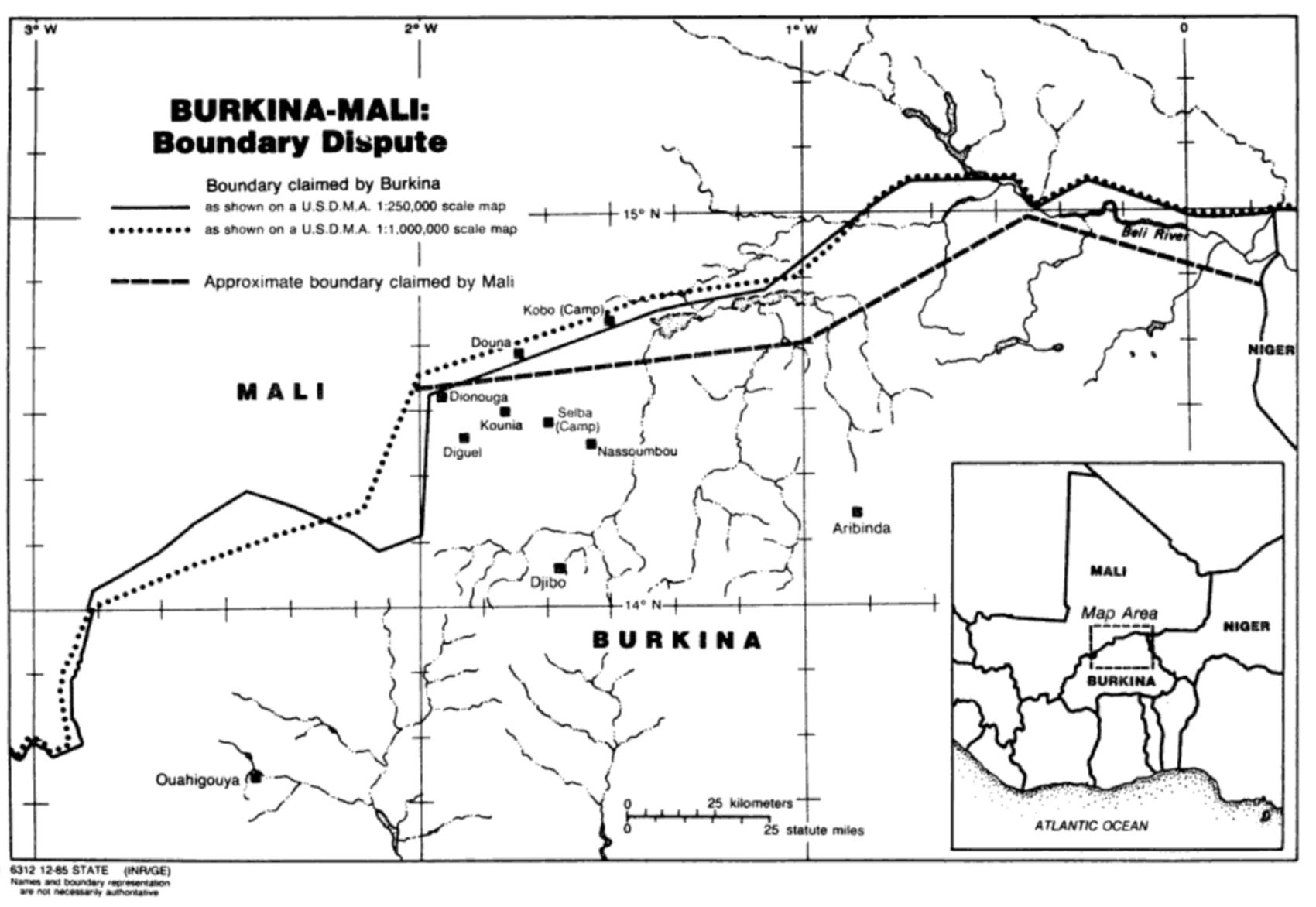
On Christmas Day 1985, the army of Mali attacked its neighbor Burkina Faso over a strip of land whose fate was already in the hands of judges. The two countries share a border in West Africa, and the Agacher Strip is a band of semi-desert along it. The fighting for it was soon called the Christmas War.
Both countries had been French colonies, and they disagreed about where the old colonial line ran through the strip. In October 1983, they handed the question to the International Court of Justice. That court sits in The Hague and settles disputes between states for the United Nations.
The judges had not yet ruled in early December 1985. That month, Captain Thomas Sankara's government in Burkina Faso announced that census agents would visit four villages in the disputed zone. In Mali, President Moussa Traoré mobilized his army at the same time.
The fighting lasted six days, and it went badly for Burkina Faso. In the north, Mali's army overran its poorly armed soldiers, and the country had no defense against Malian air raids.
The ceasefire came from the region, through a West African pact called ANAD whose members had promised never to attack one another. ANAD arranged the truce in Abidjan, in Ivory Coast, on December 29. The next day, both governments also went back to the judges and asked for emergency orders to keep the situation from getting worse.
Both presidents agreed to the ceasefire on December 31, and observers followed. The verdict came on December 22, 1986, almost exactly a year after the attack.
The judges applied a rule of international law that keeps borders where colonial rule left them. On that basis they split the strip roughly in half, and both presidents accepted the ruling.
At a Glance
Who: Mali, under President Moussa Traoré, against Burkina Faso, under President Thomas Sankara
Fighting: December 25 to 30, 1985 (six days)
Place: The Agacher Strip, on the border between the two countries in West Africa
How it ended: Ceasefire arranged through ANAD, a West African defense pact, agreed by both presidents on December 31, 1985
Settlement: Strip divided roughly in half by the International Court of Justice on December 22, 1986
11. The War of the Stray Dog (1925)
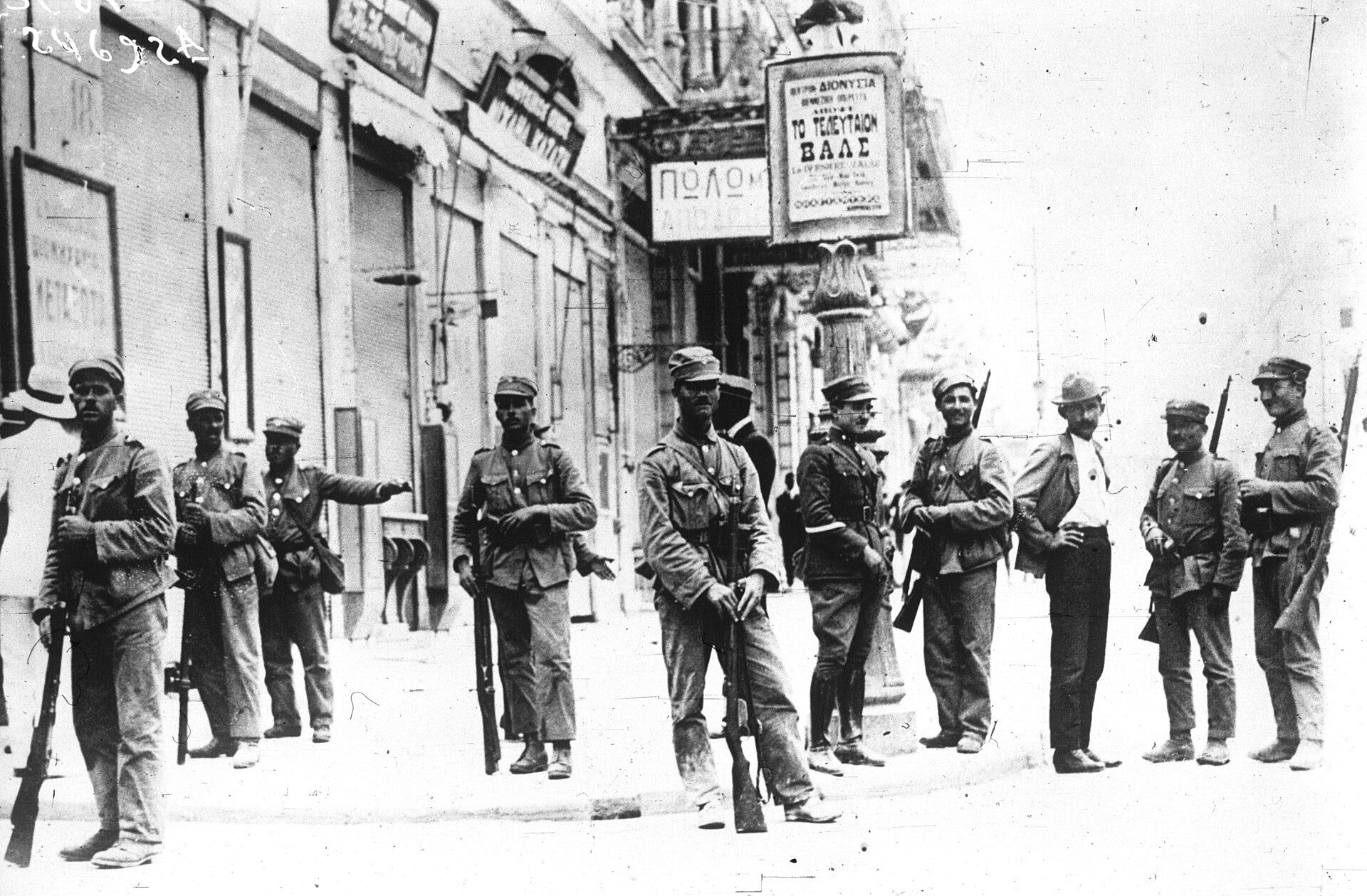
In October 1925, Greek troops crossed into Bulgaria and advanced toward the town of Petrich, and Bulgaria's government ordered its own soldiers not to fire back. The clash between the two countries is remembered as the War of the Stray Dog. With a foreign army on its soil and its men told to hold their fire, who did Bulgaria expect to stop the invasion, and was there ever a dog?