
Two Nobel Prizes in medicine, in 1956 and 2005, went to doctors who had first tried their idea on their own bodies. Others died of the attempt, and some swallowed the vomit or the germs of the sick to defend theories that turned out to be wrong. For more than four centuries, doctors and chemists have used their own bodies to settle a question.
Cool Stories About History is a newsletter to learn history the fun way.
Join free and get:
6 new stories a month, straight to your inbox
The full archive of stories
Comment, ask questions, and chat with other readers
How These Were Chosen
Each of the twelve set out, on purpose, to answer a medical question by using his own body. Some worked alone. Others shared the risk with a colleague, a wife or volunteers, and in one case an assistant took the injection after the test on his chief failed.
Only experiments with a known date or period and a known result were kept. Two of the twelve died of their test, and two others won a Nobel Prize decades later. The order runs from names seldom heard in the United States to the most famous.
12. Daniel Alcides Carrión (1885)
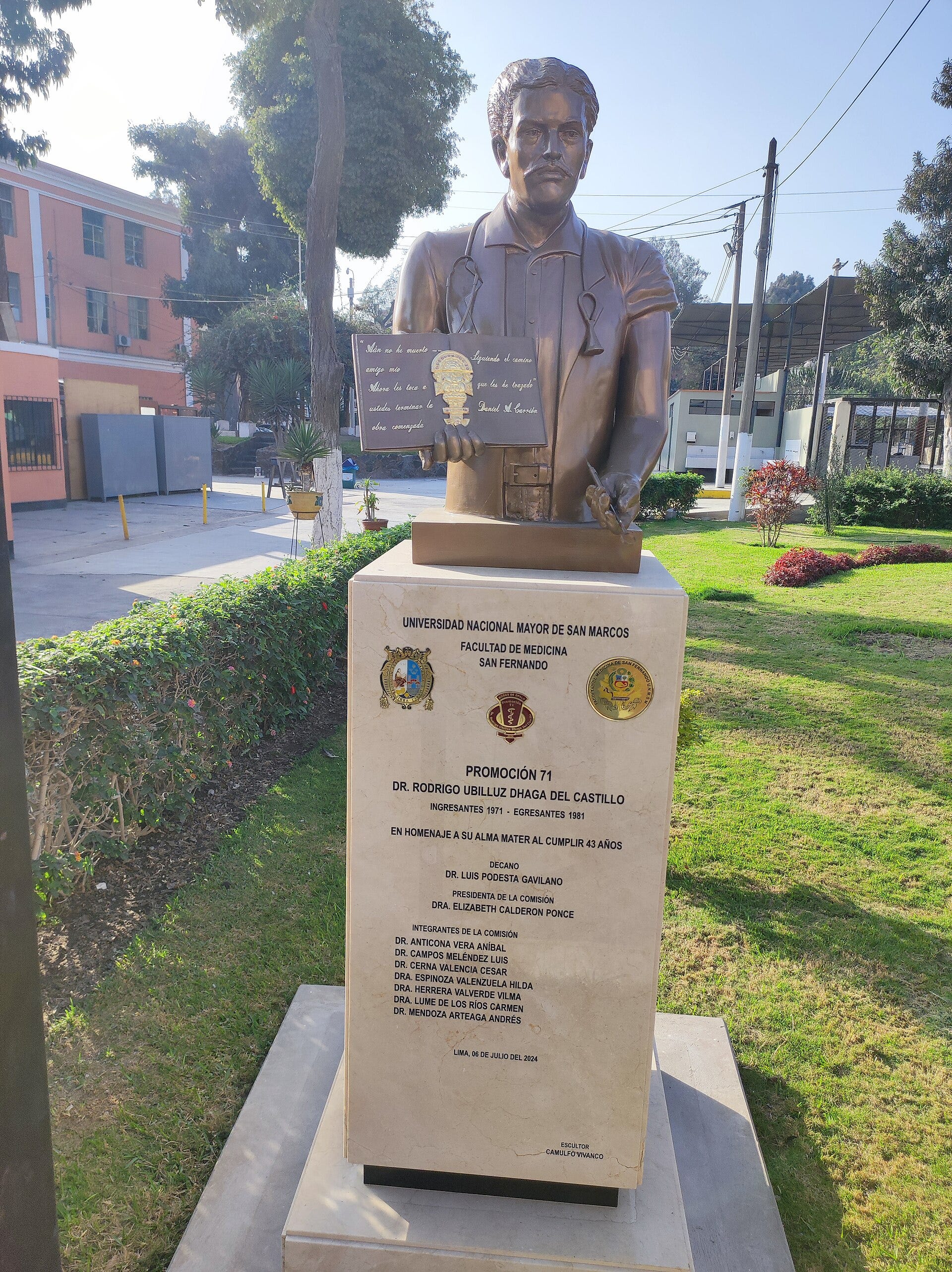
On the morning of August 27, 1885, a Peruvian medical student named Daniel Alcides Carrión stood in a hospital ward in Lima with a lancet in his hand. He meant to push blood from a patient's skin sore into his own arm.
Doctors in Peru knew two illnesses of the Andes and could not tell whether they were one disease or two. Verruga peruana covered the skin with red bumps and rarely killed. Oroya fever brought fever, bone pain and a fast loss of red blood cells, and without treatment it often did.
The question was urgent. In 1871 Oroya fever had struck the workers building the Oroya railroad, high in the mountains, and people said every tie on the line had cost a life.
The blood Carrión chose came from a verruga sore. He started the cuts with the lancet himself, but he succeeded only with the help of a young ward physician named Chávez. For three weeks nothing happened.
Then came chills, cramps and pain in all his bones and joints. Fever, dark red urine, yellow skin and a fast-growing anemia followed. He had Oroya fever, which meant the bumps and the killing fever were a single disease.
Carrión kept a diary of his own decline. From September 26, when he was too weak to write, his classmates kept it for him.
He fell into a coma 39 days after the inoculation and died at 11:30 p.m. on October 5, 1885. The illness is now called Carrión's disease, and every year Peru marks October 5 as the Day of Peruvian Medicine.
At a Glance
Who: Daniel Alcides Carrión, a Peruvian medical student
Date: August 27 to October 5, 1885
Place: A hospital ward in Lima, Peru
Experiment: Blood from a verruga sore put into his own arm
Outcome: Died of Oroya fever, proving the two illnesses were one disease
11. Stubbins Ffirth (1802)
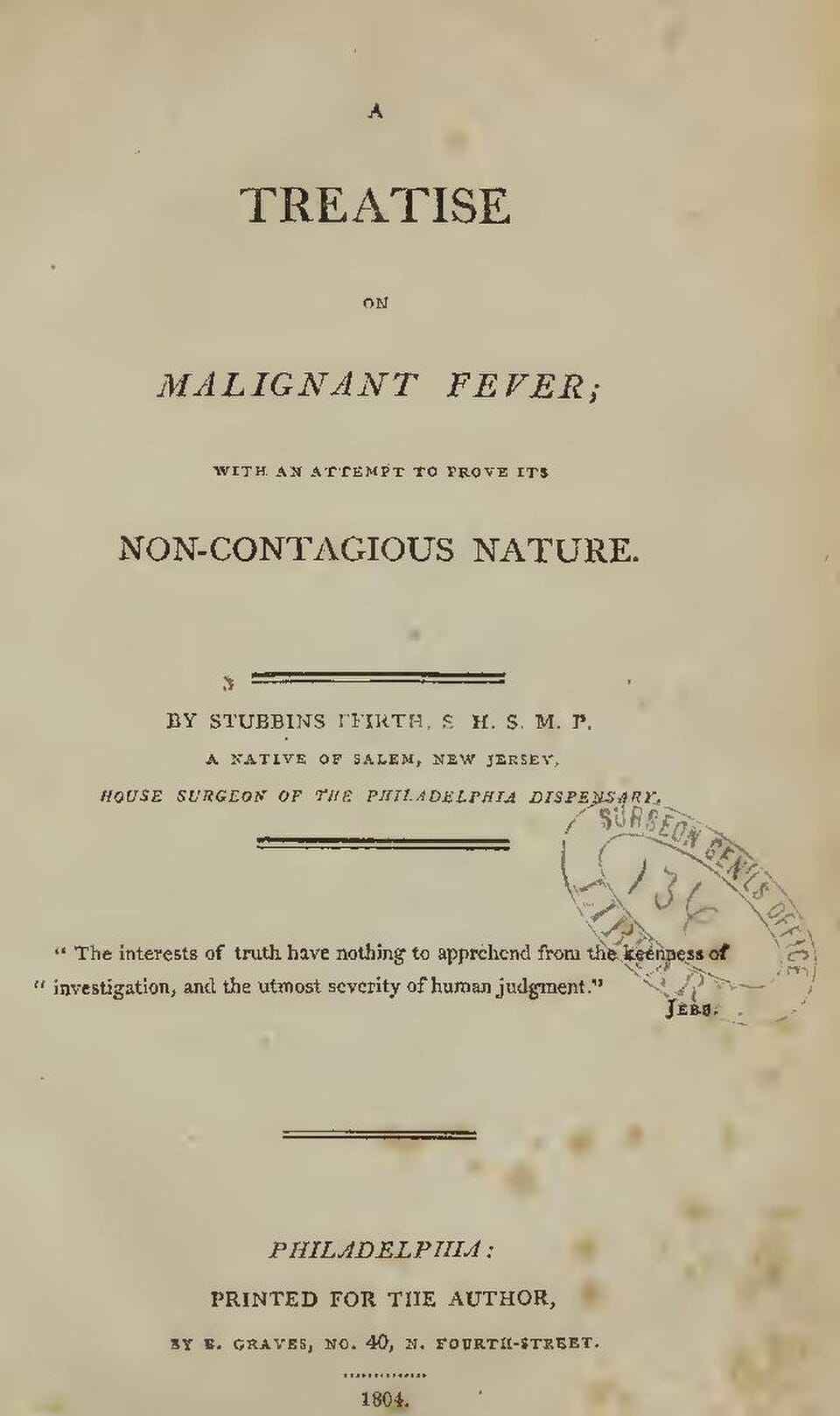
Stubbins Ffirth, a young doctor in training from Salem, New Jersey, cut his own left arm open in Philadelphia on October 4, 1802. Into the cut he put black vomit taken from a yellow fever patient. Would the fever that kept returning to his city now take hold of him?