
In 1765, a soup seller in Paris named Boulanger advertised his broths as restaurants, from the French word for "restoratives," and by 1804 the city had more than 500 restaurants. Some houses that still serve food or drink are older than the word, and their owners count their age in centuries, sometimes more than a thousand years. Few of those dates rest on documents.
Cool Stories About History is a newsletter to learn history the fun way.
Join free and get:
6 new stories a month, straight to your inbox
The full archive of stories
Comment, ask questions, and chat with other readers
How These Were Chosen
A house is here if it has served food or drink to the public and was still open under its name in the 2020s. Each has a founding date, proved by papers or claimed by its owners. Restaurant is meant broadly, so an inn, a pub and a coffeehouse all count.
Guinness World Records keeps the official title and asks for "substantial evidence and documentation" of a house at work over the years. A house that closed for years, or cannot show the papers, loses to a younger one that can.
The order owes nothing to the claimed dates and ends with the house that holds the record.
12. Bianyifang, Beijing (1416)
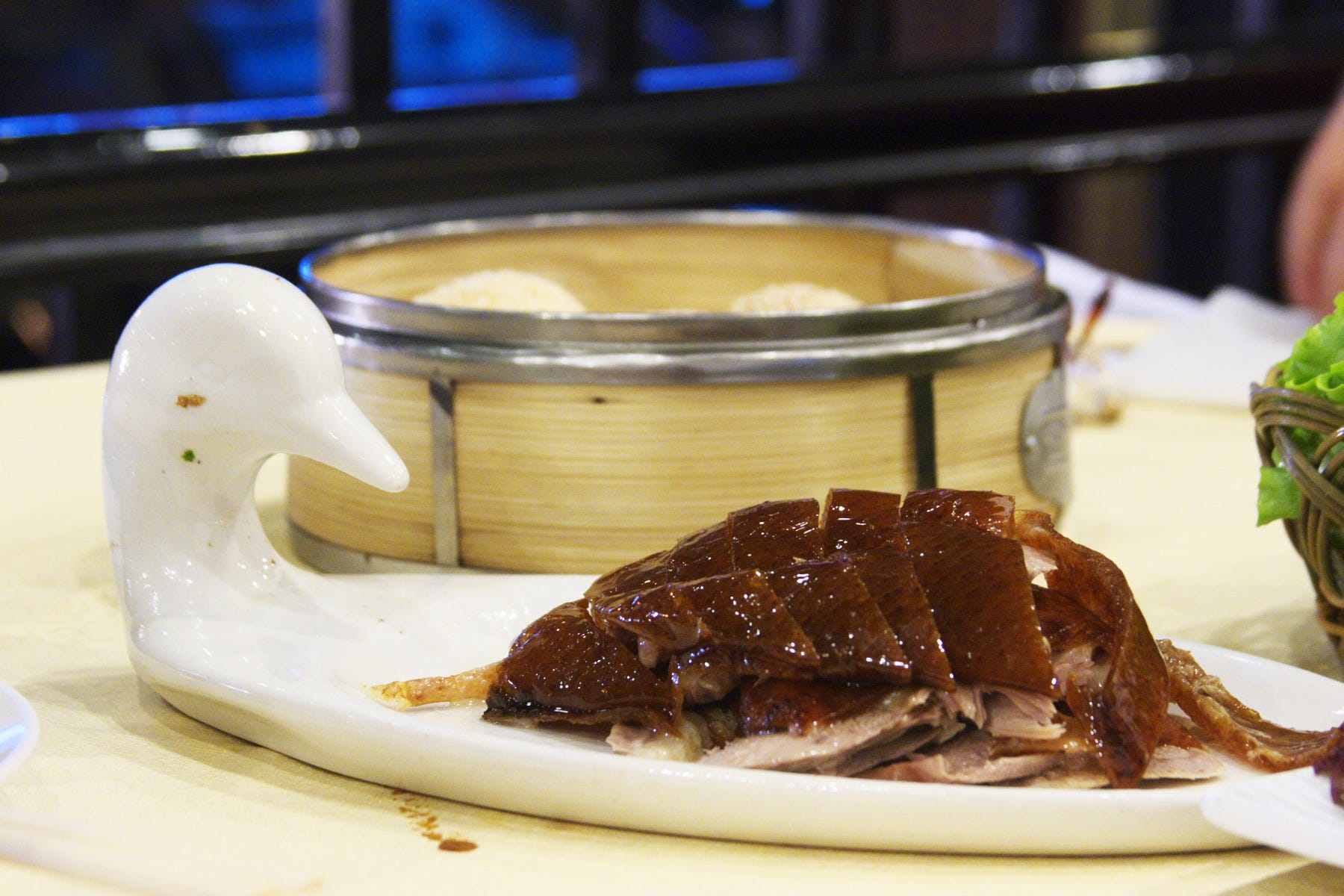
Under the Ming emperor Jiajing, one powerful minister sent men to take down the sign of a Beijing duck shop. The shop was Bianyifang, which dates itself to 1416, and its owner would not let them.
The sign carried the shop's name in the brushwork of Yang Jisheng, a junior official of the Ministry of War. Yang had eaten the duck and praised the food and the service, and the delighted owner had his calligraphy made into a signboard.
Yang had come to the shop after accusing the minister of corruption, hoping to bring him down, and failing. The minister's men came for the sign next.
The owner blocked their way and was beaten until he spat blood, but the sign stayed over the door. Yang Jisheng was later framed and put to death.
Bianyifang roasts its ducks in Beijing to this day, and it keeps them away from the flame. Its cooks heat a brick oven, take the fire out and let the hot walls do the cooking. Quanjude, a younger rival founded in 1864, hangs its birds over burning fruitwood instead.
In 2008 China put Bianyifang's way of roasting on its national list of intangible cultural heritage.
At a Glance
Who: Bianyifang, a roast duck house
Founded: 1416, the year the house gives
Place: Beijing, China
Its sign: Written by the official Yang Jisheng, defended by the owner at the cost of a beating
Oven: A closed brick oven, on China's heritage list since 2008
11. Rules, London (1798)
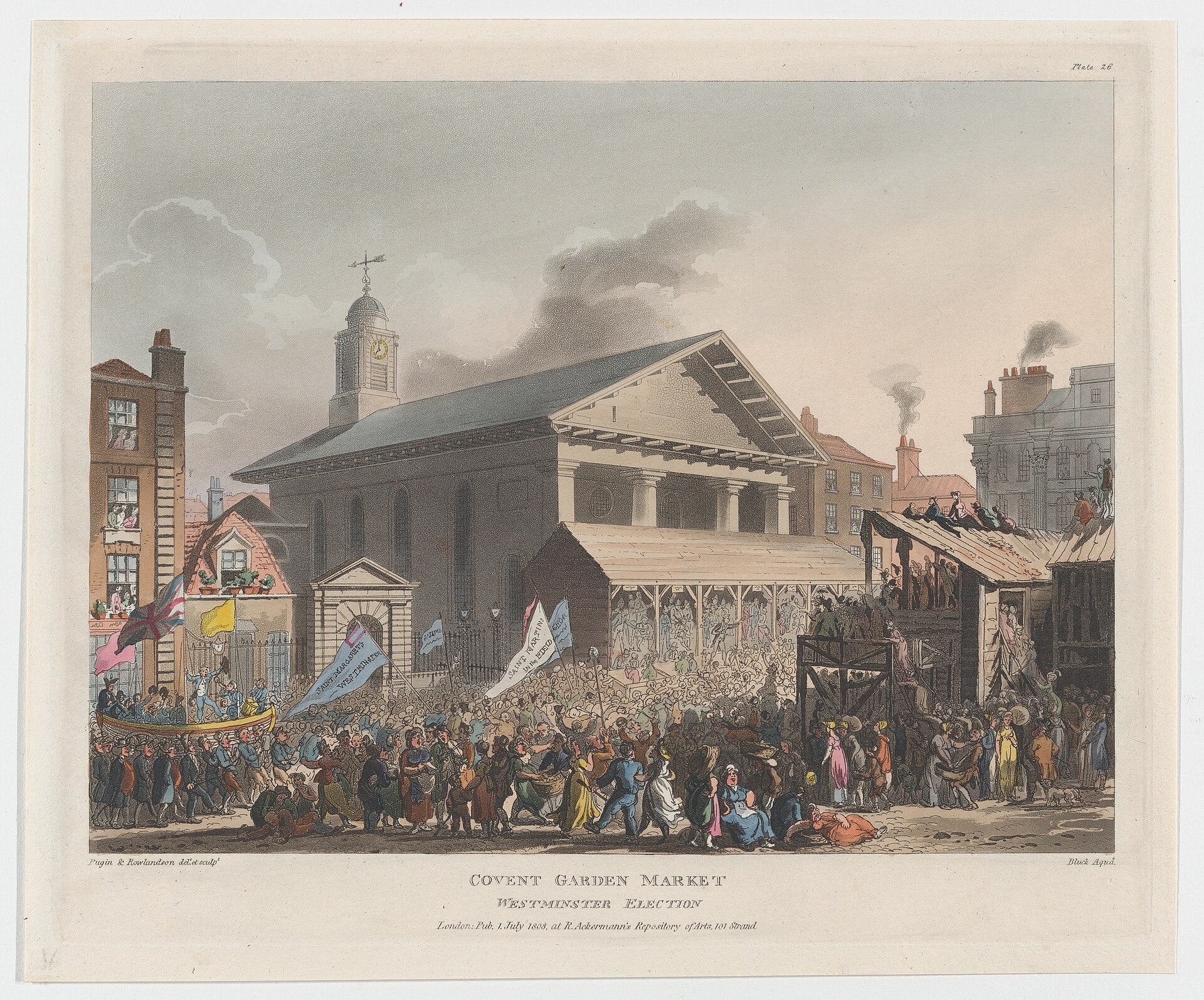
Rules has served meals in London's Covent Garden district since 1798. In 1971 the city's governing council planned to turn the Strand, the main street nearby, into a divided highway, and the plan threatened the building. The man who stood up for Rules was a poet.