
Most games of the ancient world survive as boards, pieces or dice, with no instructions attached. The oldest known board game comes from Egypt and goes back to about 3100 BC, yet dice found in the American West are thousands of years older. Of the games that later died out, only one left its rules in writing, on a clay tablet copied in Babylon in 177 BC.
Cool Stories About History is a newsletter to learn history the fun way.
Join free and get:
6 new stories a month, straight to your inbox
The full archive of stories
Comment, ask questions, and chat with other readers
How These Were Chosen
Each of these twelve games survives in something real: a board, a set of pieces, a painting, a clay figure or a line of ancient writing. Six are races to a finish, four are games of strategy, and two are games of throws.
They come from four continents and span about 12,000 years. They run from games few Americans have heard of to three found in many American homes.
12. Knucklebones (Ancient Greece)
As a small boy, the Greek hero Patroclus killed another child in a quarrel over a game of knucklebones. His ghost confesses the killing to his friend Achilles in Homer's Iliad, the epic of the Trojan War.
The dead boy was the son of a man named Amphidamas, and Patroclus had not meant to kill him. Because of the killing, his father Menoetius led him away from their home town of Opus.
The game used the ankle bone of a sheep or a goat. That small knob of bone has four different faces, and each face gave a different result when it was thrown. A handful of them worked like dice, and they decided moves in board games from Egypt to Mesopotamia.
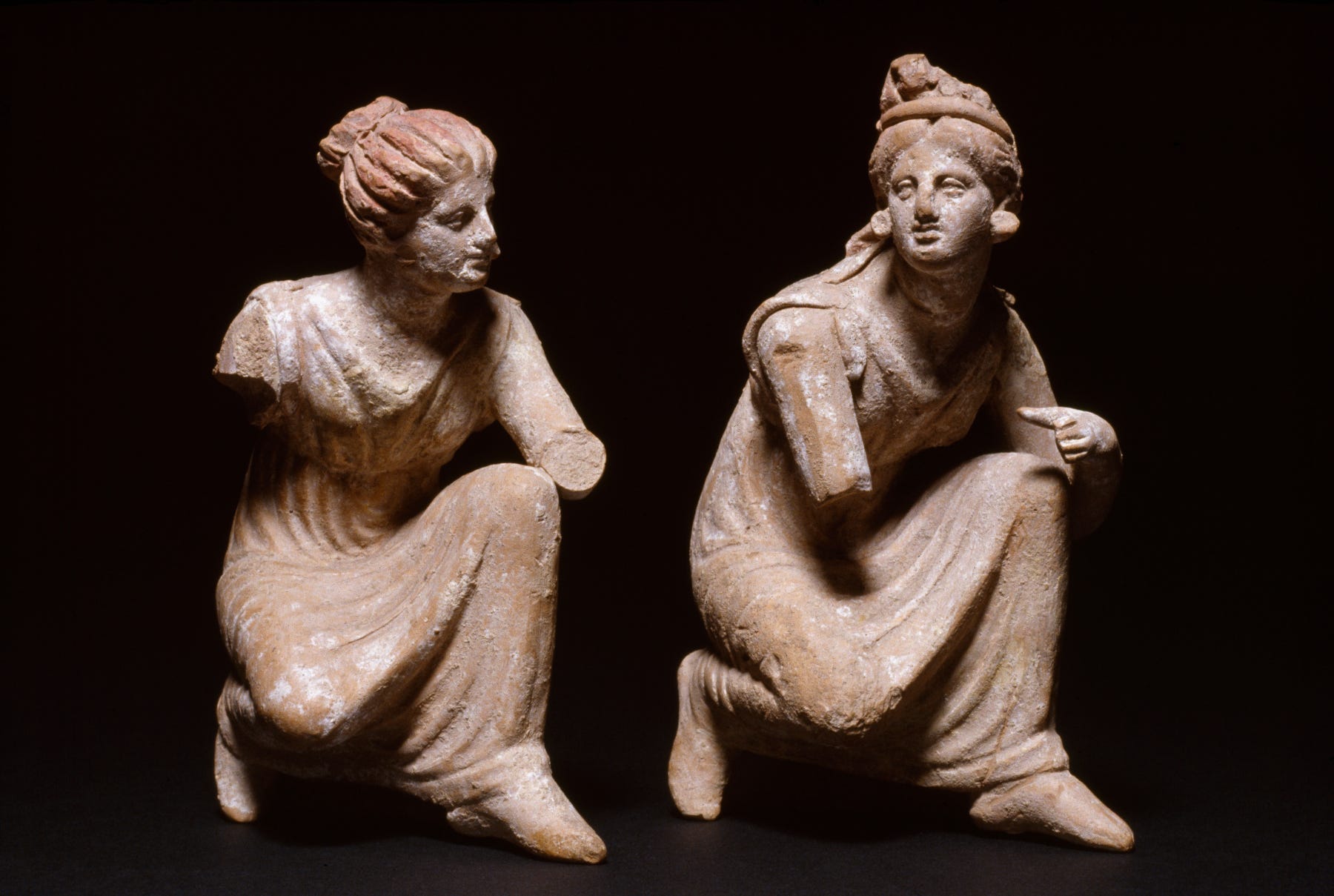
Grown women played too. A Greek clay group of about 330 to 300 BC shows two women crouching over their throws. It is on display in Room 73 of the British Museum in London.
The boy Patroclus found shelter in the palace of Peleus, the father of Achilles. Peleus raised him and made him the companion of his own son, so the two grew up together.
That is why the ghost, after his death at Troy, asks Achilles for one last thing. Their bones should lie in the same golden vase, the one that Achilles' mother had given him.
At a Glance
Game: Knucklebones, thrown like dice
Pieces: Ankle bones of sheep or goats, each with four different faces
In legend: Patroclus kills a boy in a quarrel over the game, in Homer's Iliad
Object: A Greek clay group of two women playing, made around 330 to 300 BC
Where to see it today: The British Museum, London, Room 73
11. The Royal Game of Ur (2600 to 2400 BC)
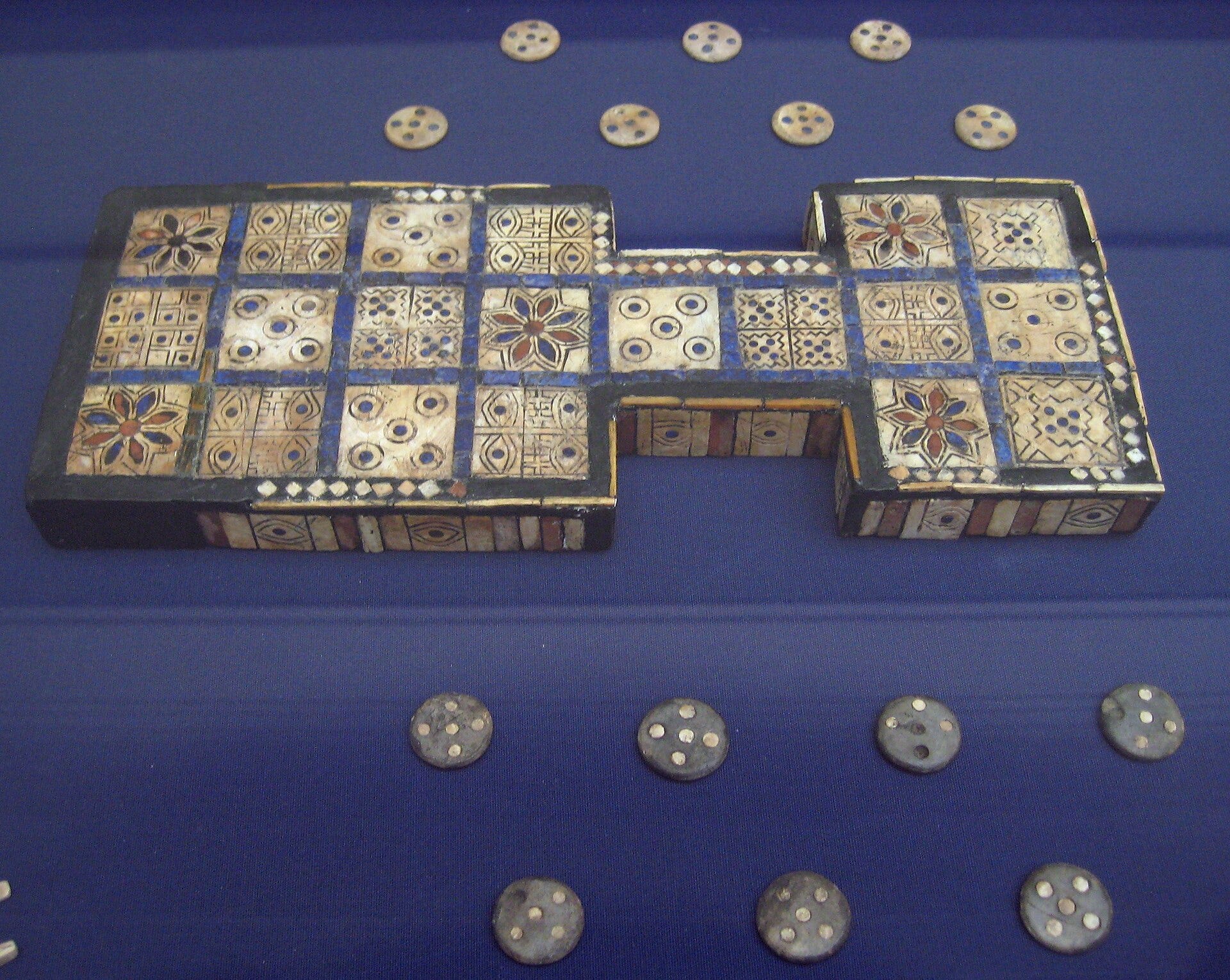
In the royal tombs of Ur, a Sumerian city in what is now southern Iraq, archaeologists found a board game now called the Royal Game of Ur. Long after the game was forgotten, the scholar who recovered its rules saw the same 20 squares in a photo from a Jewish family in southern India. Why was a family in India still playing a game buried with kings 4,500 years earlier?