
In 2016, the research firm Teikoku Databank counted 28,972 Japanese businesses at least a century old, and 41 of them had passed 500 years. Europe has its own survivors, from a Swedish copper company with an ownership record from 1288 to an Italian gunmaker paid by Venice in 1526. Most came close to the end at least once, through fire, war, plague or debt, and all still have customers in 2026.
Cool Stories About History is a newsletter to learn history the fun way.
Join free and get:
6 new stories a month, straight to your inbox
The full archive of stories
Comment, ask questions, and chat with other readers
How These Were Chosen
Every company here still sells goods or services in 2026, under its old name or inside a larger group that took it over. Each was founded before 1800. A state mint, a state brewery and a family farm count too, since each still trades. Restaurants, which make a separate list, are left out, and so are firms that have closed.
Most founding dates are the companies' own claims, and the two oldest rest on tradition. A few rest on an object from the time, such as a payment note or a signed bell. The order climbs from names little known in America to the most familiar.
12. Kongō Gumi (578)
In 1932, Haruichi Kongō took his own life at his family's grave in Osaka, Japan. He was the 37th head of Kongō Gumi, a firm of temple builders that traces its founding to 578, and the business was struggling badly.
His widow, Yoshie, took his place as the 38th head. No woman had led the company before her, and she kept it alive.
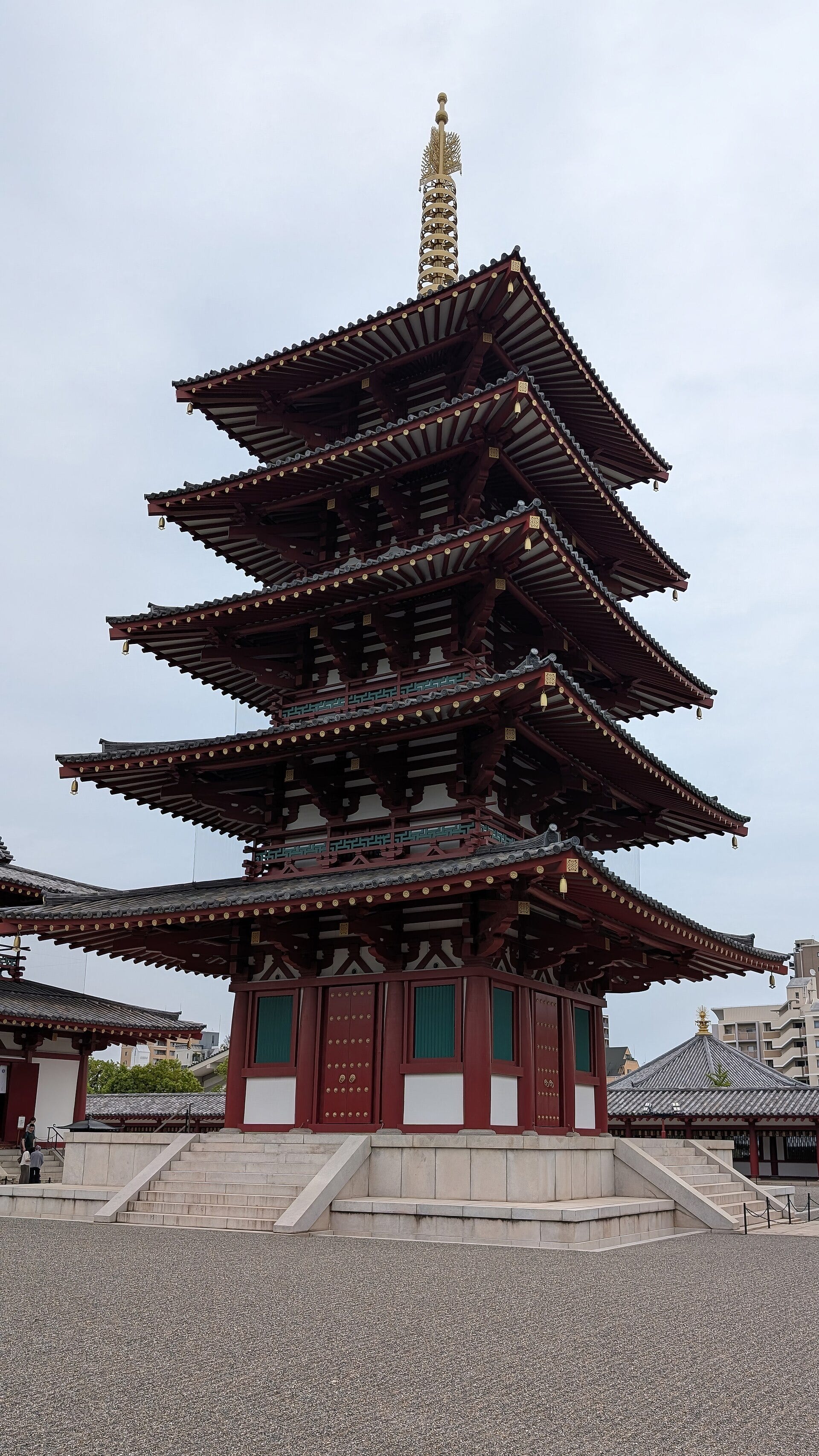
Two years later, in 1934, the Muroto typhoon brought down the five-story pagoda of Shitennō-ji, a Buddhist temple in Osaka. The rebuilding fell to Kongō Gumi.
That temple was where the family story began. In 578, a Japanese prince named Shōtoku invited three craftsmen from Baekje, an ancient kingdom of the Korean peninsula, to build it. The carpenter Kongō Shigemitsu was one of them, and he stayed on to look after the temple once it stood.
Shitennō-ji burned down in 1576 during the Ishiyama War, and again during a siege of Osaka in 1614. In 1801, lightning set its pagoda on fire, and the 32nd head of the family led the rebuilding. He left his heirs a will of 16 rules, among them learning the abacus, treating workers kindly and giving honest estimates.
In 1868, Japan's new Meiji government separated Buddhism from Shinto, the native religion, and the temple lost its lands. The Kongō family lost its yearly stipend and began to build for other temples. During World War II, temple work stopped completely, and the company got by making wooden boxes for the military.
In 2006, Kongō Gumi lost its independence when Takamatsu Construction took it over. The new owner found a business run in a way that made cost control impossible, and under Takamatsu it returned to profit. Only one of its roughly 110 employees is a Kongō, and Shitennō-ji still gives the title of master carpenter only to a member of the family.
At a Glance
Who: Kongō Shigemitsu, a carpenter from Baekje, and his descendants
Founded: 578, by the company's own account
Place: Osaka, Japan
Hard times: The suicide of the 37th head in 1932, and the takeover of 2006
Today: About 110 employees, part of Takamatsu Construction since 2006
About This Company
What is the oldest known company in the world?
Kongō Gumi, a temple builder in Osaka, traces its founding to 578. It still builds temples today as part of the Takamatsu Construction group.
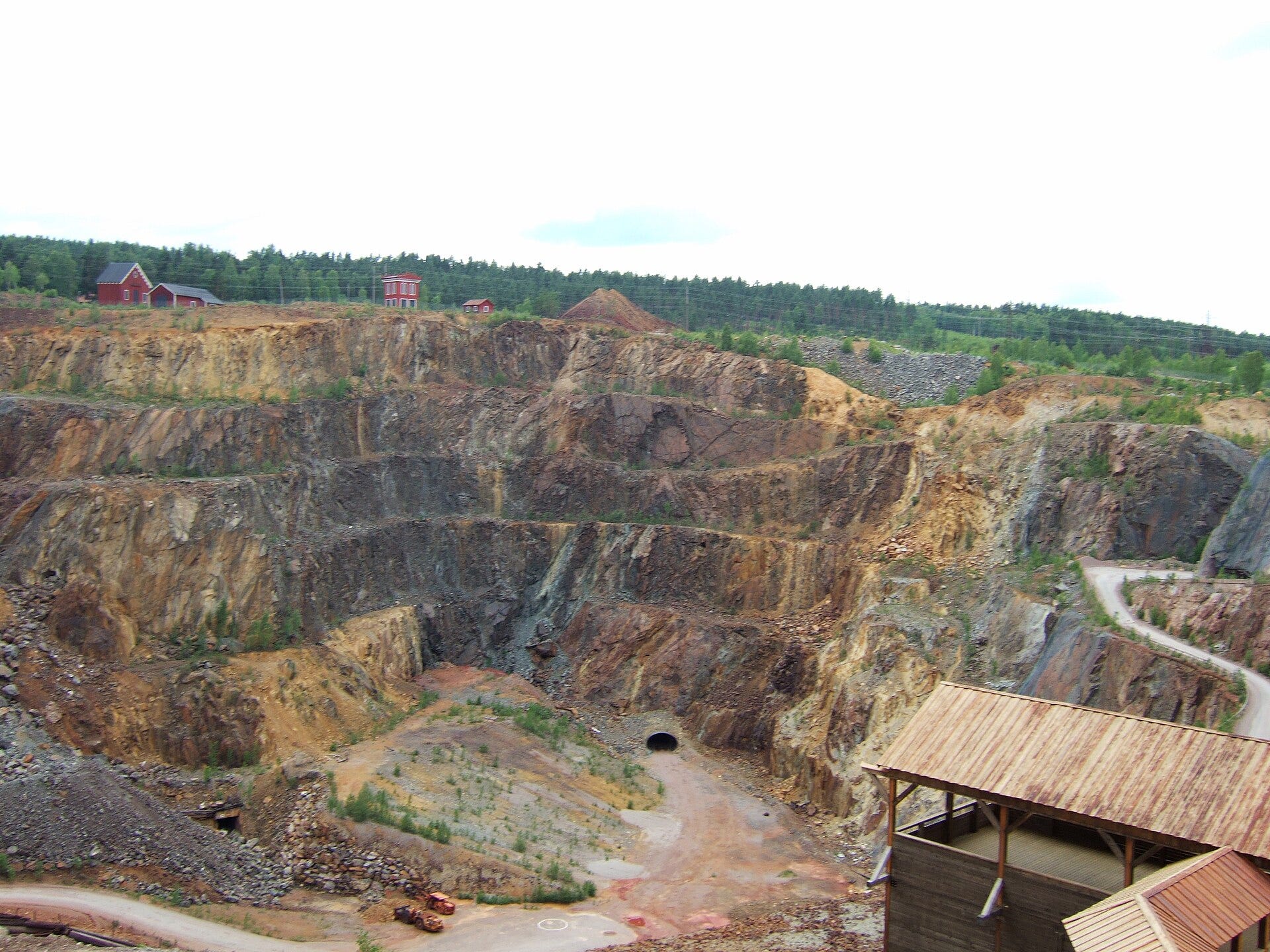
11. Stora Kopparberg and the Falun Mine (1288)
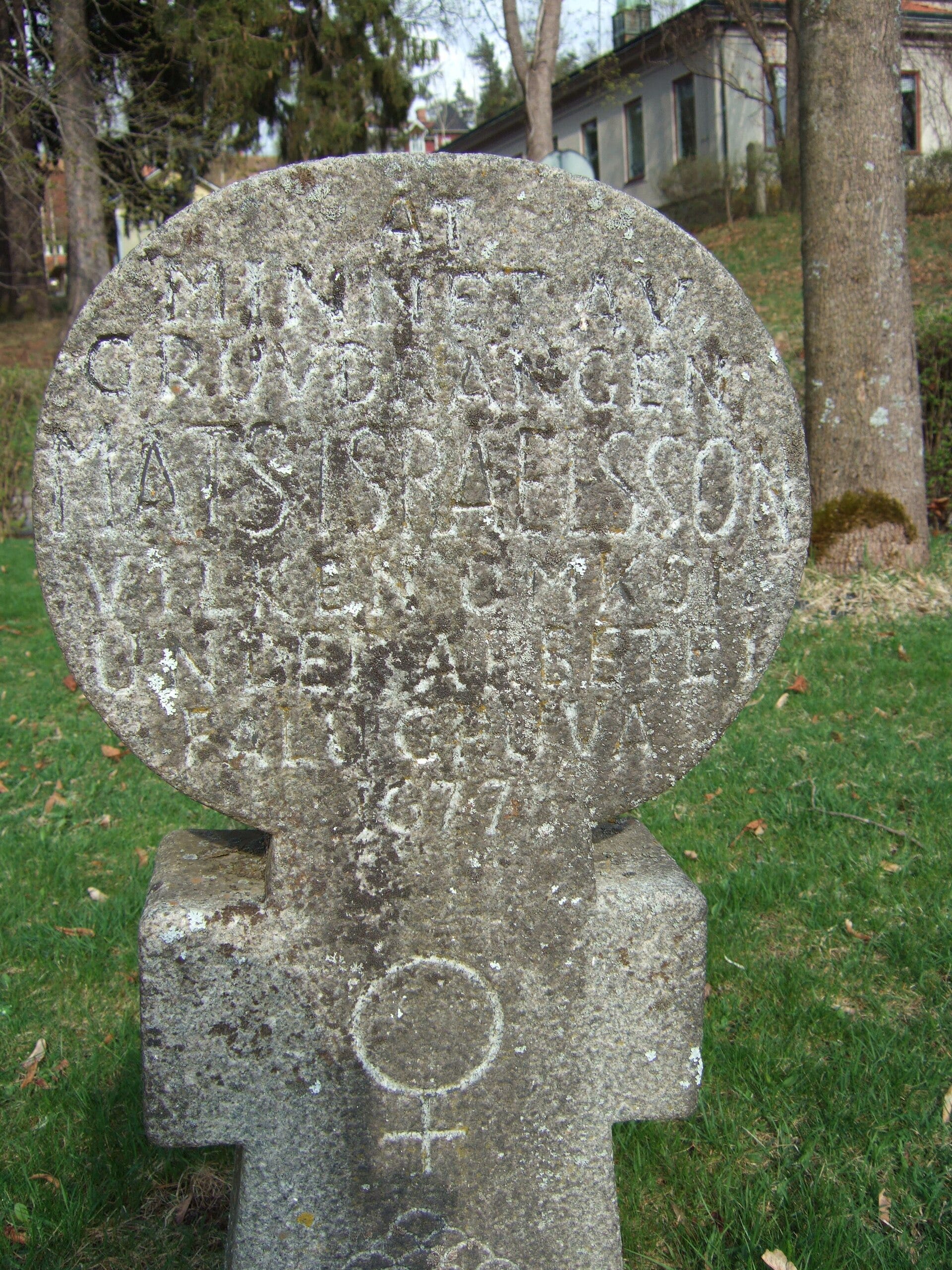
Stora Kopparberg ran the copper mine at Falun, in central Sweden, and its oldest ownership record for the mine is dated June 16, 1288. In December 1719, its miners pulled a body out of a flooded shaft about 490 feet underground. The young man's face and hands were intact and the tobacco in his tin was still fresh, but nobody knew who he was.