
Under the citadel of one city in northern Iraq, the ruins of older towns are stacked about 105 feet high, each one built on top of the one before. Cities like that are hard to date, since archaeologists can dig only between the houses people still live in. They are also hard to erase. Besieged, burned or emptied, the oldest of them kept drawing people back.
Cool Stories About History is a newsletter to learn history the fun way.
Join free and get:
6 new stories a month, straight to your inbox
The full archive of stories
Comment, ask questions, and chat with other readers
How These Were Chosen
Two records get mixed up on this subject. One is the oldest trace of a settlement. The other is the longest life without a break, which several cities claim and none can strictly prove.
Every city here is still lived in, so the towns that died out are left aside. Where a date of first settlement is given, it is an estimate. The order runs from the least familiar name to the most famous, not from oldest to youngest.
12. Erbil (2006)
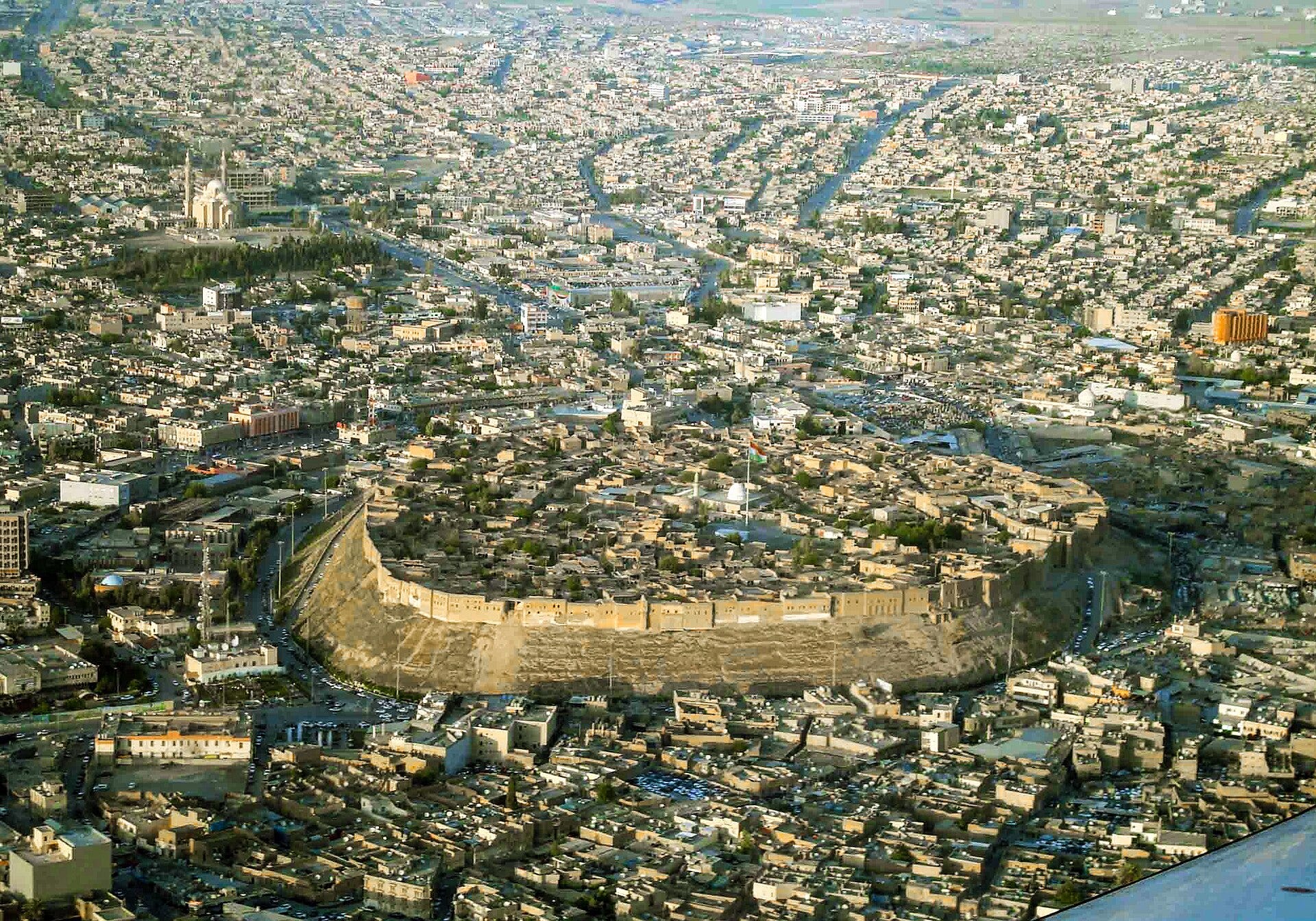
Out of 840 families living on the citadel of Erbil, capital of Iraq's Kurdistan Region, the regional government asked only one to stay. The others moved out in 2006, so that the old houses could be restored and the ground beneath them excavated.
The citadel is a hill in the middle of the city, and people have lived on it for at least 6,000 years. It is not a natural hill. Each town was built on the ruins of the one before, until the mound rose about 105 feet.
That long run is why one family was kept behind. Erbil may be the oldest place on Earth lived in without a break, a record Damascus also claims, and an empty hill would have ended it.
The family chosen was that of Rebwar Mohammed, who had been born in the citadel in 1986. He stayed among about 500 empty houses with his wife Nazanin Qadir and their children. "I never imagined that one day I would be living here alone," he said.
For Nazanin, the silence brought dangers of its own. "I had to learn to kill snakes and rats to protect our home," she said.
Former residents came back on guided visits and asked to spend a few minutes inside the walls. "We just want to smell it," they told the guides.
Eighteen years after the evacuation, the Mohammed family was still there, the only household on the hill. At night, lights burned in the empty houses around them, fitted so that the citadel would look lived in after dark.
At a Glance
Settled: At least 6,000 years ago
Place: Erbil, capital of Iraq's Kurdistan Region
The moment: 840 families moved out in 2006, one asked to stay
The family that stayed: Rebwar Mohammed, Nazanin Qadir and their children
Where to see it today: Erbil Citadel, in the middle of the city
11. Cholula (1519)
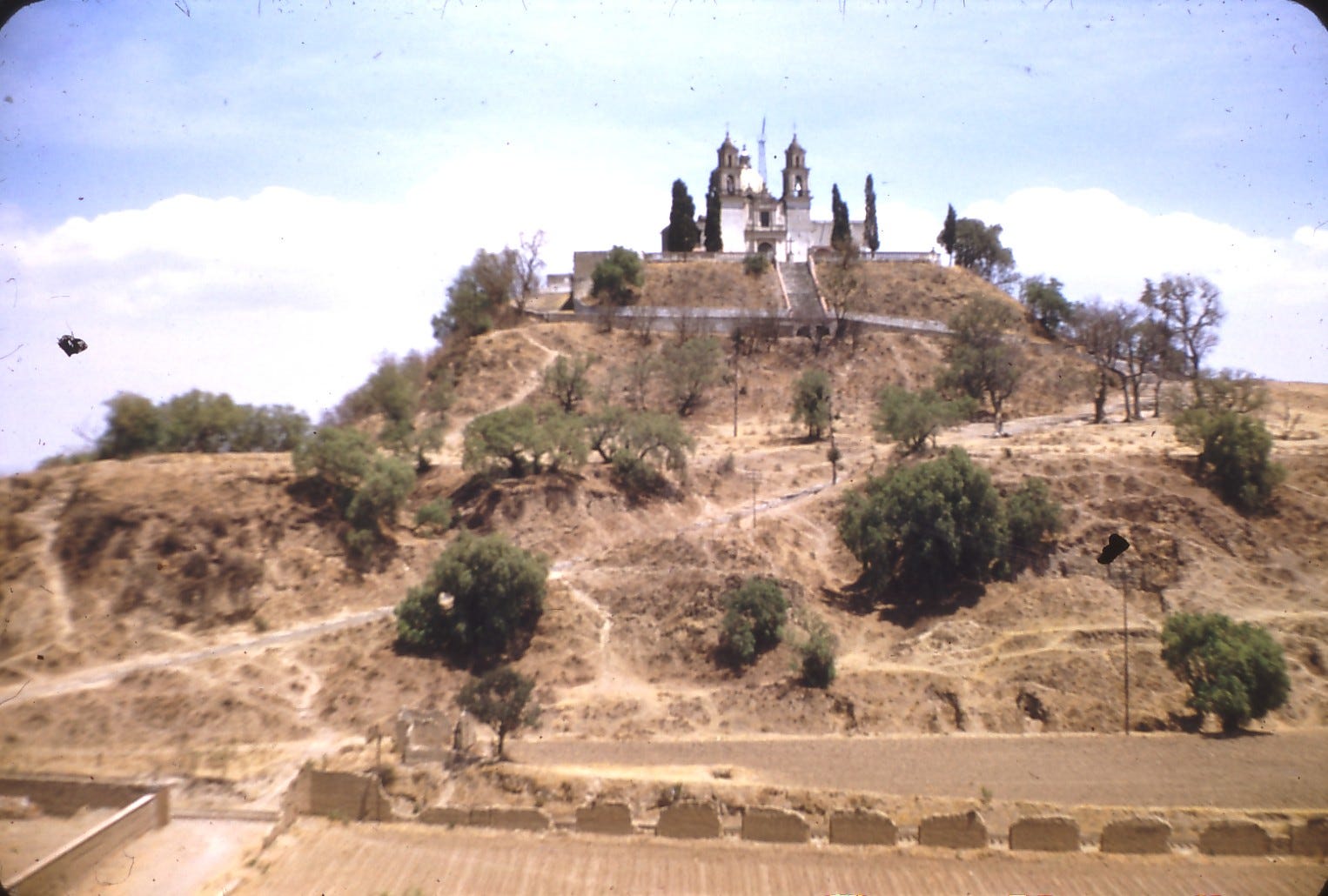
The church of Nuestra Señora de los Remedios sits on top of a pyramid in Cholula, a city of central Mexico. That pyramid covers nearly 45 acres and is the largest structure ever built by the Indigenous peoples of ancient Mexico and Central America. So why does a Spanish church crown it, and what happened here in 1519?