
A jar broken open near the Nile in December 1945 held leather-bound books made around 350 AD. Even they are young beside an Egyptian scroll copied more than 3,600 years ago. So which book is the oldest depends on what counts as one: written by hand or printed, rolled up or sewn into a cover. Each answer points to a different book, with its own record.
Cool Stories About History is a newsletter to learn history the fun way.
Join free and get:
6 new stories a month, straight to your inbox
The full archive of stories
Comment, ask questions, and chat with other readers
How These Were Chosen
Here a book means a long text made to be kept and read, rolled into a scroll or bound inside a cover. The oldest of the twelve was copied in Egypt more than 3,600 years ago, the youngest was printed around 1455, and every one survives at least in part.
Nine are the oldest, or among the oldest, of their kind, on their continent or in their way of printing. The Codex Gigas is here for its size, the Papyrus of Ani and the Book of Kells for the pictures painted on their pages. They run from books few Americans know to one kept in Washington.
12. The Nag Hammadi Codices (Around 350 AD)
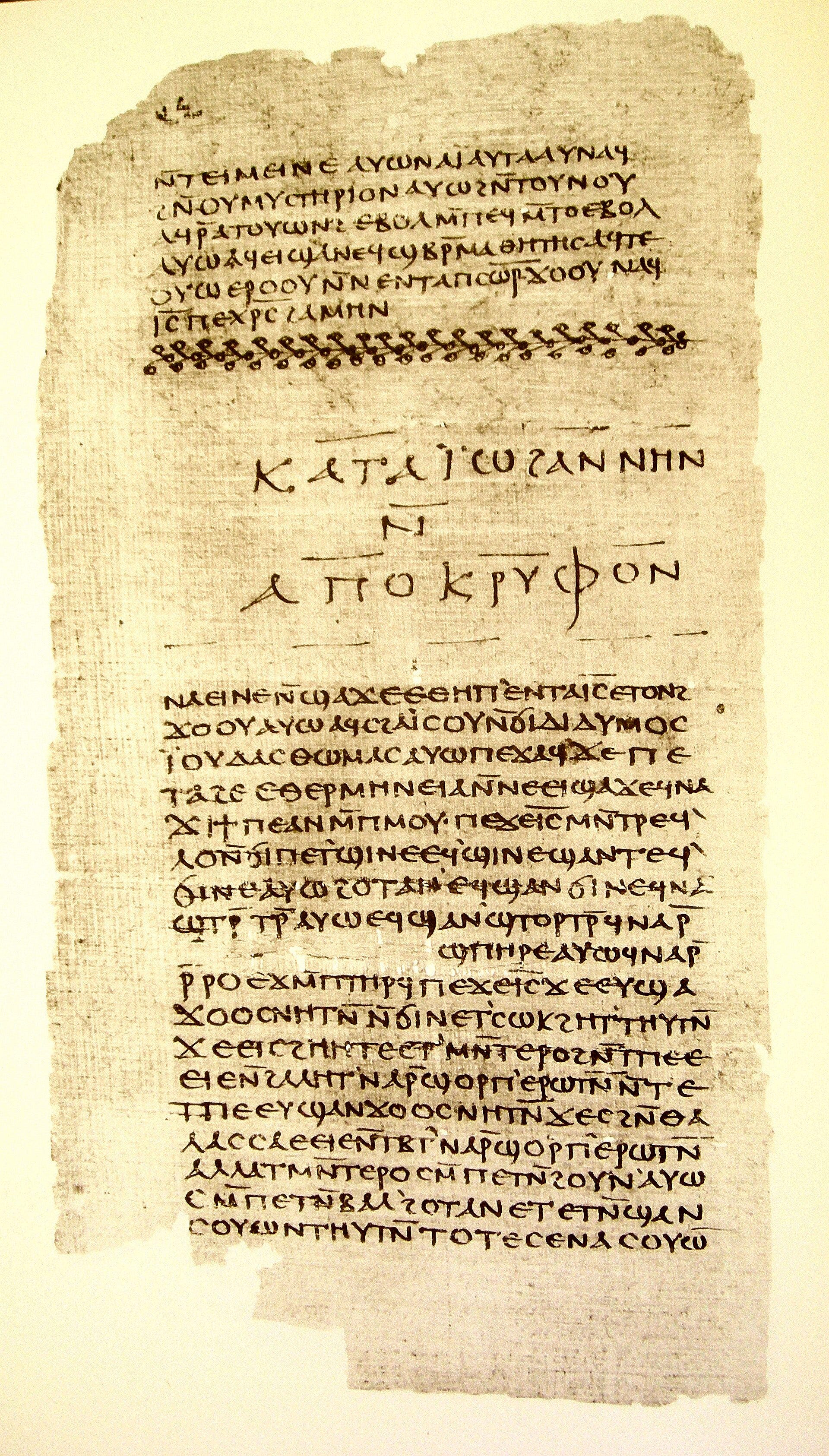
In December 1945, Egyptian peasants were digging at the foot of the Jabal al Tarif cliff, across the Nile from the town of Nag Hammadi. One of them, Muhammad Ali, uncovered a jar and broke it open. Inside lay thirteen books bound in leather, now known as the Nag Hammadi codices.
Each of them was a codex. The word means a book of folded pages sewn together inside a cover, which is the form of every modern book. Before codices, most books had been scrolls.
Not everyone saw the find as a treasure. Muhammad Ali's mother used some of the leaves as fuel for her oven. Twelve of the books survive today, and the thirteenth has never been traced.
What the pages hold made the loss painful. They carry 46 early Christian texts, all in Coptic, the language of Christian Egypt. Some of those texts had been unknown until the jar broke, and as many as fourteen scribes had copied them out, mostly from Greek originals.
From the village, the books passed through several antiquities dealers. One of the books traveled as far as the Jung Institute in Zurich, Switzerland. Today nearly all of them are back in Egypt, in the Coptic Museum in Old Cairo.
Their age was worked out from rubbish. The binders had stiffened the leather covers with scraps of used papyrus glued together, and some scraps carried dates. The latest is from 348 AD, so the books were bound around 350, which puts them among the oldest books anywhere still in their leather covers.
At a Glance
Books: Thirteen leather-bound codices, twelve of which survive
Made: Around 350 AD
Found: December 1945, by Muhammad Ali and other Egyptian peasants
Place: The foot of the Jabal al Tarif cliff, across the Nile from Nag Hammadi
Kept at: The Coptic Museum, Old Cairo, for nearly all of them
11. The Maya Codex of Mexico (13th Century)
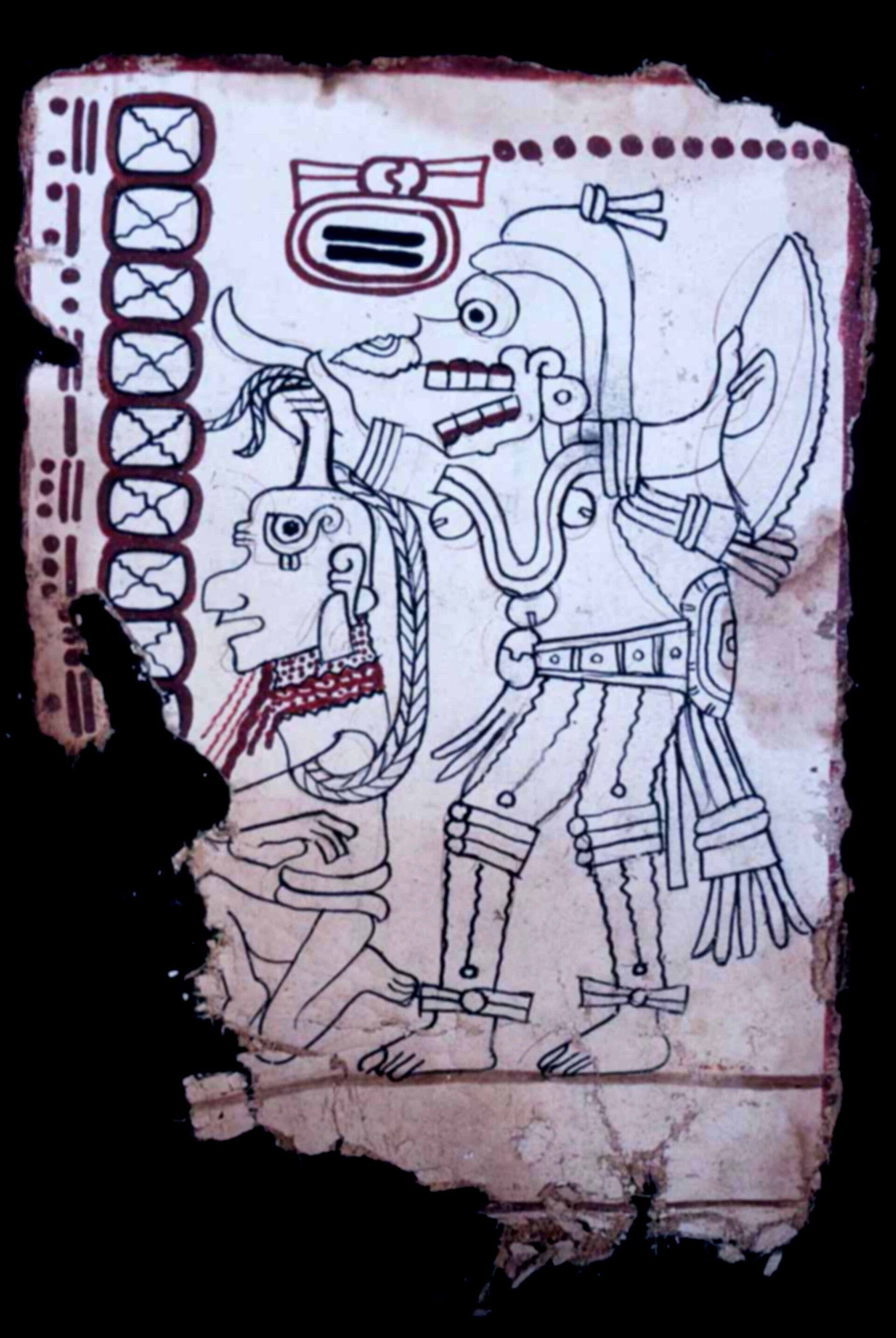
The Maya Codex of Mexico is a Maya book of ten painted pages that two looters sold to a wealthy Mexican collector, Josué Sáenz, in the 1960s. According to Sáenz, they flew him to a remote airstrip in a plane whose compass had been covered, so that he could not tell where he was going. How could a book that surfaced this way ever be proven genuine?