
For much of the nineteenth and twentieth centuries, scholars filed any old story with no object or record behind it under legend. Some of those stories came back later, when a dig, a chance find or a laboratory turned up the thing they described. What came back was always the plain human core, a real king or a real disaster, and never the magic wrapped around it.
Cool Stories About History is a newsletter to learn history the fun way.
Join free and get:
6 new stories a month, straight to your inbox
The full archive of stories
Comment, ask questions, and chat with other readers
How These Were Chosen
The stories kept here were handed down for centuries in sacred books, poems, town chronicles or a people's memory. For a long time they rested on those words alone.
Each one was later backed by something outside the story itself. It might be a carved stone, a grave, a town record, a gas in spring water or a test at sea.
Monsters and creatures were left out, since none has ever turned up. The order runs, roughly, from stories few Americans know to ones most of them grew up with.
12. Hezekiah's Tunnel and the Siloam Inscription (1880)
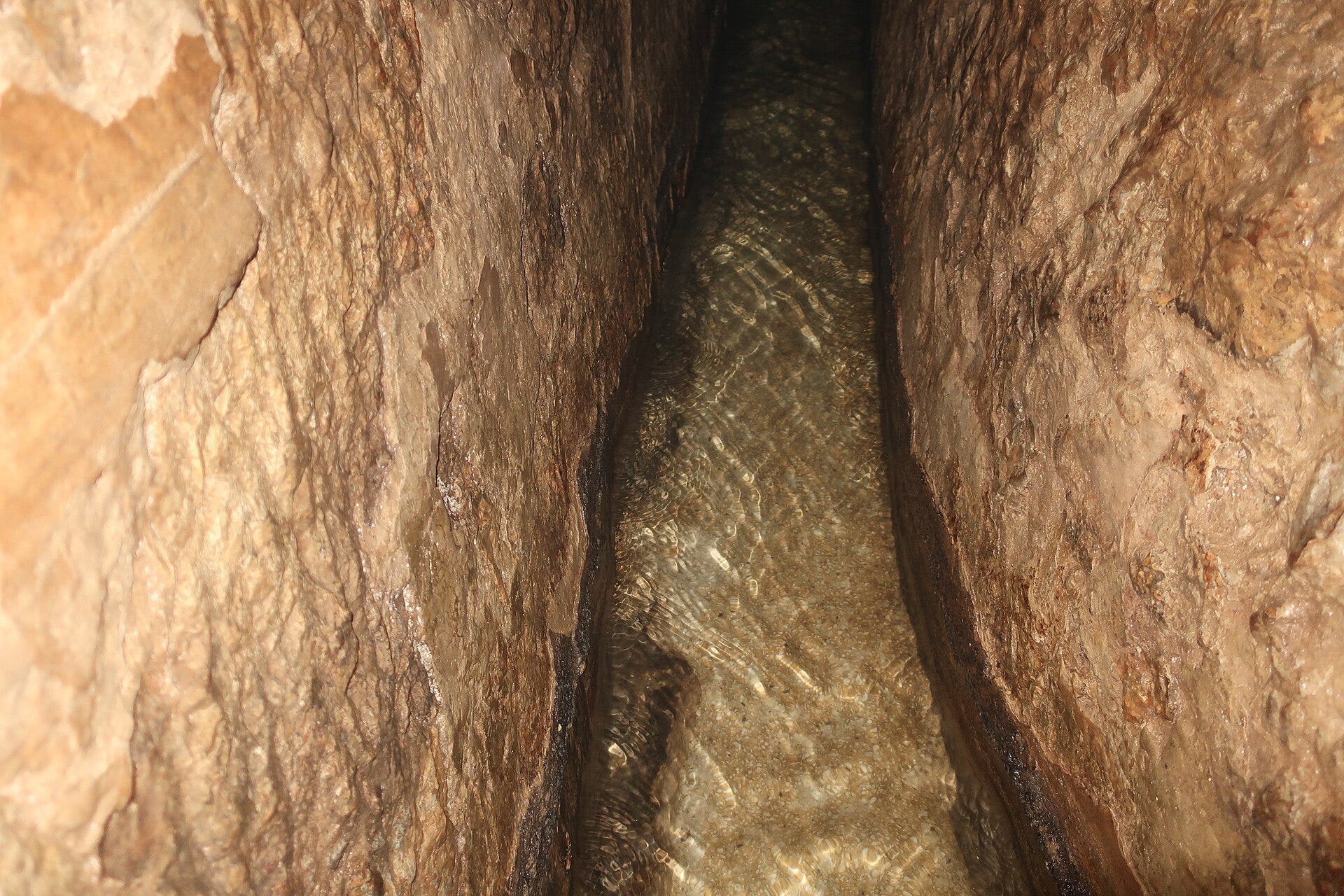
Two crews of diggers were cutting toward each other through solid rock under Jerusalem, each starting from one end of what is now called Hezekiah's Tunnel. Near the end, a voice came through the stone.
That moment was carved into the tunnel wall in the words of the men who lived it, and boys playing near the southern end found the inscription in 1880. When the crews broke through, it says, water ran 1,200 cubits from the spring to the pool, under 100 cubits of rock.
A cubit was an old measure, about the length of a forearm. The tunnel runs about half a kilometer, or a third of a mile, from the Gihon Spring to the Pool of Siloam, under the hill called the City of David.
The Bible gives the work to Hezekiah, a king of Judah who ruled from 727 to 698 BC. In the Second Book of Chronicles, he and his officers decide to block the springs outside the walls as the Assyrian king Sennacherib marches on Jerusalem.
The inscription did not stay in the tunnel. Thieves chiseled it out of the wall and broke it into pieces, and the Ottoman authorities who then ruled Jerusalem seized it from a dealer and sent it to Istanbul.
Not everyone accepted the Bible's date. Some scholars, John Rogerson and Philip Davies among them, argued that the tunnel was dug between 200 and 100 BC, five centuries after Hezekiah.
In 2003 a team led by Amos Frumkin, a geographer at the Hebrew University of Jerusalem, dated the tunnel in two ways. Bits of plant caught in the builders' plaster gave about 700 BC, and stalactites that grew later inside it showed it was older than 300 BC. That date falls inside Hezekiah's reign.
At a Glance
Who: Hezekiah, king of Judah from 727 to 698 BC
Found: The inscription of the diggers, by boys playing in the tunnel in 1880
Place: From the Gihon Spring to the Pool of Siloam, Jerusalem
Proof: Plant remains in the plaster dated to about 700 BC, in 2003
Where to see it today: The inscription, in Istanbul
About This Myth
Is there a myth that is true?
The core of one often is. The Bible says King Hezekiah of Judah had a tunnel dug to bring water into Jerusalem, and in 2003 plant remains in the tunnel's plaster were dated to about 700 BC, during his reign.
11. The Dragon Bones of the Shang Dynasty (1899)
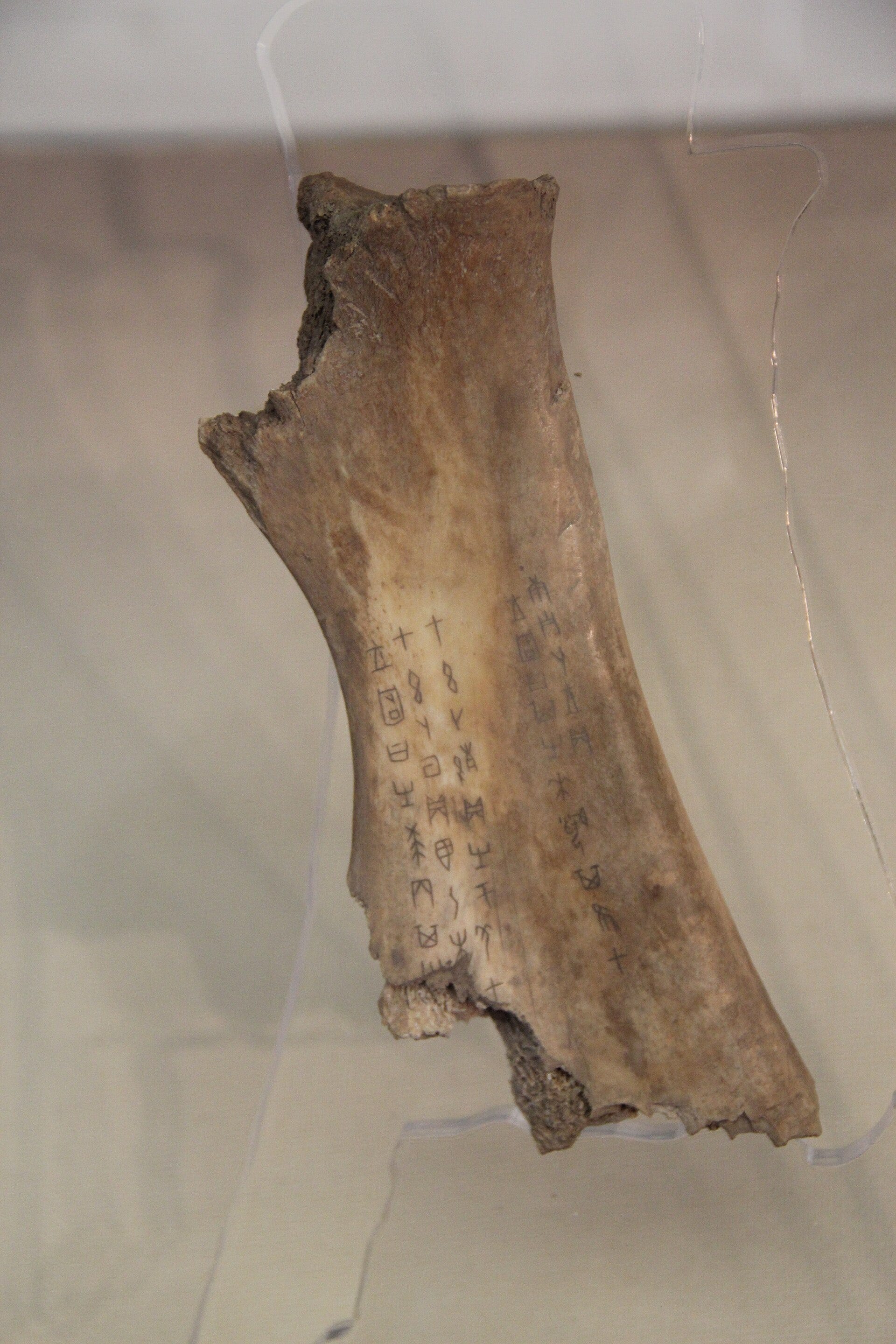
Wang Yirong, a senior official in Beijing, is said to have bought "dragon bones" as a cure for malaria in the summer of 1899. On some of the pieces, he noticed small signs carved into the surface. Who had carved them, and why on bones?