
The oldest record of a medieval invention is rarely its inventor's signature. More often it is a quarrel, a lawsuit or a sermon, written down by someone who saw the new thing at work. Between about 500 and 1500, many of those witnesses lived in China or the Muslim world, and some of what they described took centuries to reach Europe.
Cool Stories About History is a newsletter to learn history the fun way.
Join free and get:
6 new stories a month, straight to your inbox
The full archive of stories
Comment, ask questions, and chat with other readers
How These Were Chosen
The Middle Ages here run from about 500 to 1500. All twelve inventions are tied to a place and a date between 1023 and 1455, and to people who built, used, fought over or wrote about them.
Some are true firsts. Others mark the moment a technique reached Europe. A few are machines that set a record in their day.
Six were first recorded in China or in lands under Muslim rule. The more familiar the name today, the closer it comes to number 1.
12. Dean Herbert's Windmill (About 1190)
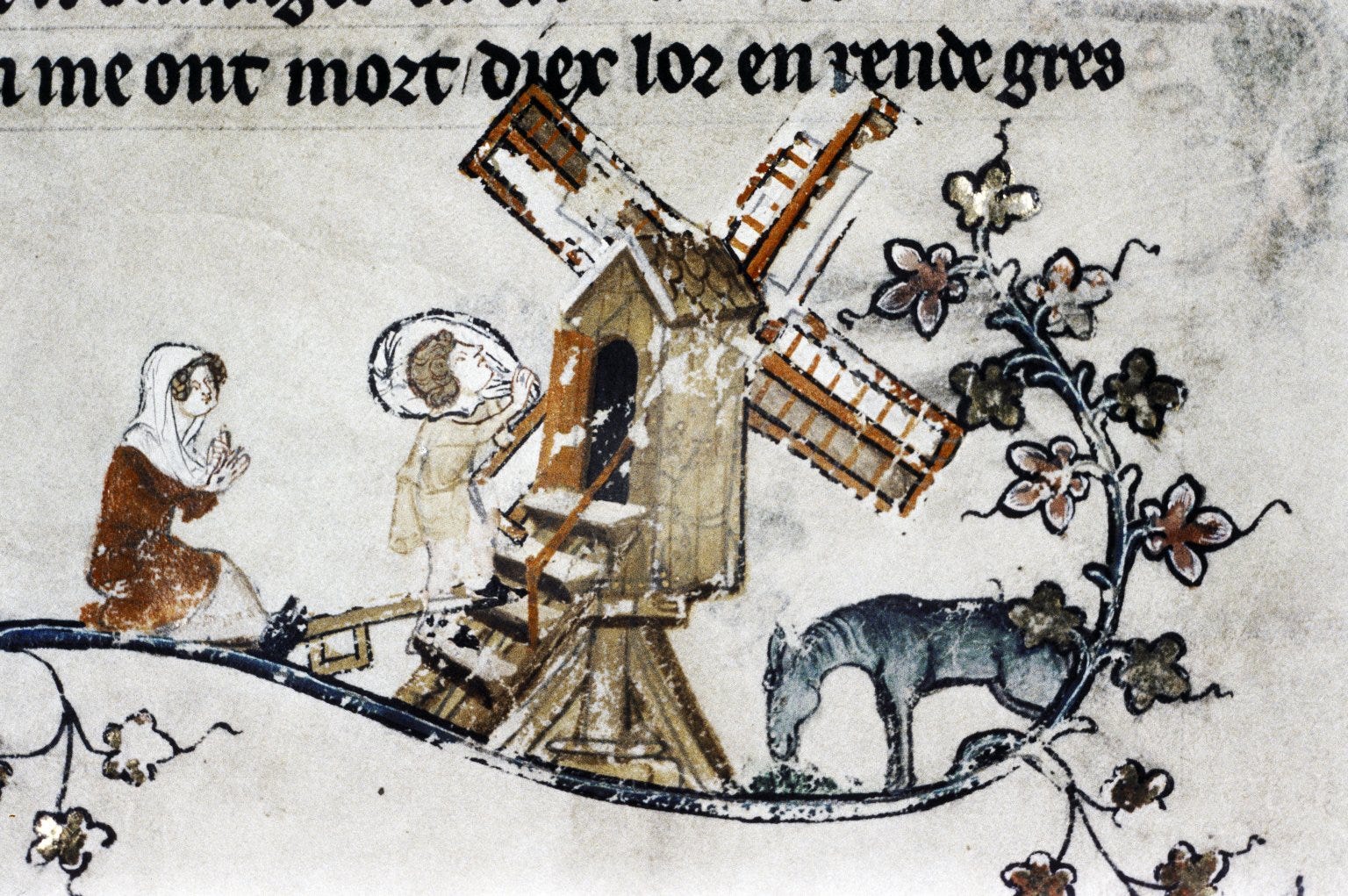
"By God's face, I will never eat bread till that building be thrown down." Samson, abbot of the great abbey of Bury St Edmunds in eastern England, swore this oath around 1190. The building that made him so angry was a windmill.
Its owner was a churchman named Herbert, who served as dean of Bury and had put it up on a piece of ground called the Haberdon. When Samson heard of it, he could scarcely eat or speak. He sent the carpenters of the sacrist, the monk in charge of the abbey's buildings, to pull it down.
Herbert came to plead his case. He insisted that "he had the right to do this on his free fief," the land that was his own to use. He promised to grind only his own grain.
Samson answered, "I thank you as I should thank you if you had cut off both my feet." A windmill needed no river, so a dean could put one up on his own land, and that was exactly what worried the abbot.
"The burgesses will throng to your mill and grind their grain there to their hearts' content," Samson told him. Every townsman of Bury who took his grain to Herbert would pay the dean, and the abbey's own mills would lose the fee.
Herbert was frightened. He had his own servants pull the mill down, "so that when the servants of the sacrist came, they found nothing left to demolish."
A monk of the abbey, Jocelin of Brakelond, wrote the quarrel into his chronicle of Samson's deeds. Thanks to the abbot's fury, a mill that its owner destroyed himself is one of the earliest windmills on record in Europe.
At a Glance
Invention: A windmill, one of the earliest recorded in Europe
Who: Herbert, dean of Bury, against Abbot Samson
Date: Around 1190
Place: The Haberdon, Bury St Edmunds, England
What became of it: Pulled down by Herbert's own servants before the abbot's carpenters arrived
11. Su Song's Clock Tower (1086 to 1094)
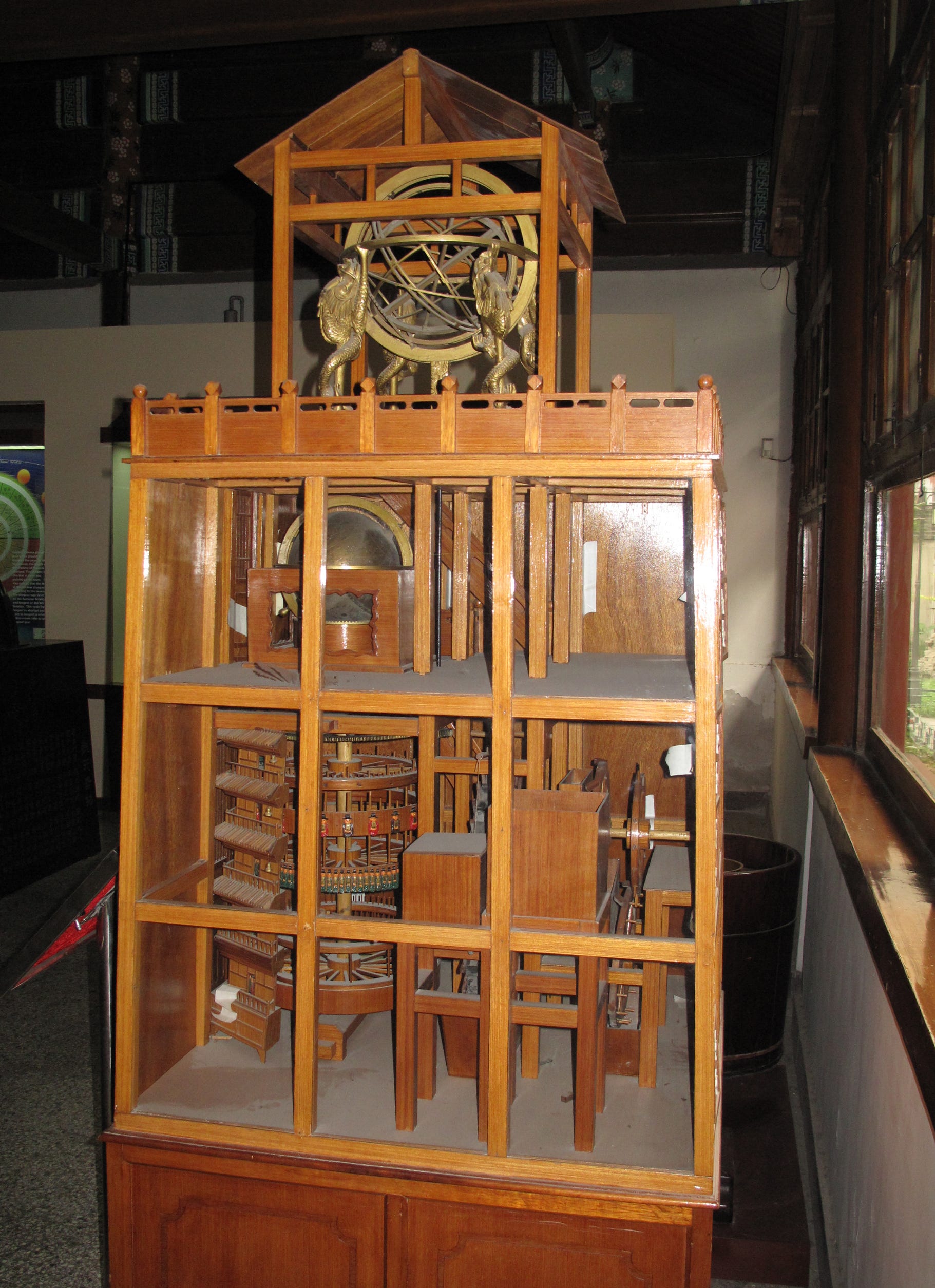
In 1086, the emperor of Song China ordered Su Song, a scholar and finance expert in his sixties, to build a machine that would follow the movements of the sky. It was to guide a reform of the calendar, so it had to run day and night for years with no hand to turn it. How could a machine keep the steady pace of the stars?