
Doctors who study outbreaks of mass hysteria have noticed a change over time. Before 1900, they mostly showed up in the body, as fits, trembling and agitation in a group living under long strain. In the 20th century, they more often began with a harmless smell or a rumor about bad food. In some outbreaks no one falls ill at all, and a whole town comes to fear a danger that is not there.
Cool Stories About History is a newsletter to learn history the fun way.
Join free and get:
6 new stories a month, straight to your inbox
The full archive of stories
Comment, ask questions, and chat with other readers
How These Were Chosen
The twelve outbreaks kept here are of two kinds. In some, people fainted, convulsed, danced or laughed for days, with no poison or germ to blame. Their symptoms were real.
In others, no one fell sick, and a town, a crowd or a whole country believed in an attacker or a curse that nothing supported.
Together they span nearly eight centuries, from a march of 1212 to a clinic visit in the early 1990s, and they end on the broadcast Americans know best.
12. The Mad Gasser of Mattoon (1944)
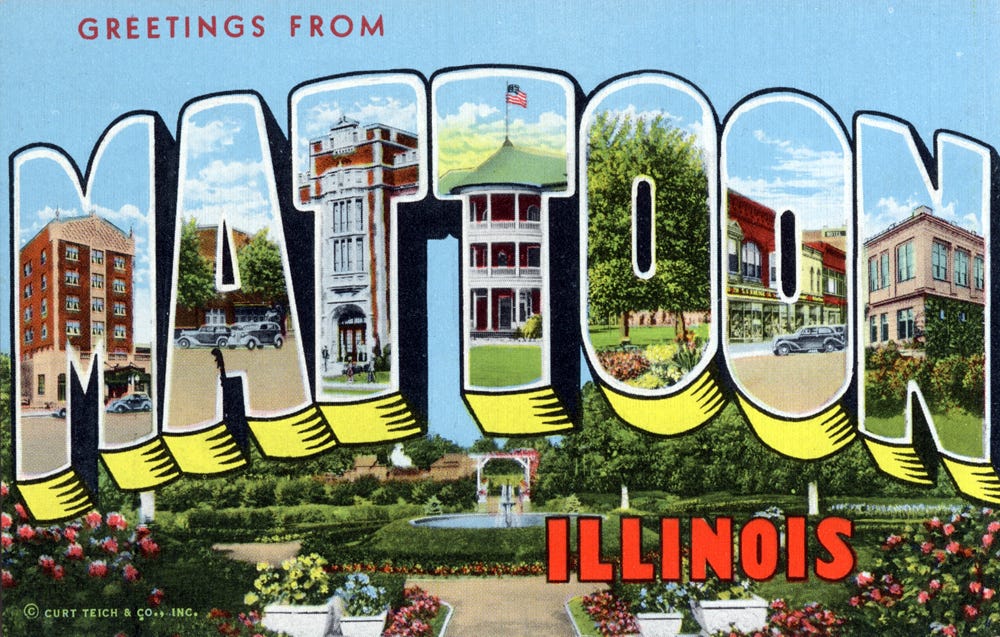
Shortly after 11 p.m. on September 1, 1944, Aline Kearney was lying in bed in Mattoon, Illinois, with her windows open. A sweet, flowery smell drifted in, and moments later she could no longer feel her legs.
Her sister Martha ran to the neighbors, and the police searched the house and the yard without finding anything. Around 12:30 a.m. her husband Bert, a taxi driver coming home from his shift, saw a tall man in dark clothes at the bedroom window. He gave chase, and the man got away.
The local paper, the Mattoon Journal-Gazette, put the attack on its front page and soon reported four more. Within days the town was hunting a prowler, remembered today as the Mad Gasser of Mattoon, and nearly 30 people told the police they had been sickened by his fumes.
Reporters came from Chicago dailies, and Time and Newsweek covered the story. Yet the police found no proof of any gas. A local official, Commissioner Thomas Wright, told the press: "There is more than one mad man in Mattoon, there's 15,000 of them. What we've got here is mass hysteria."
On September 11 the Journal-Gazette admitted in a headline that of the many prowler reports, few were real. The next day the police named suspects but arrested no one. On September 14 the paper ran its last report on the scare: "All Quiet On Mattoon's 'Gas Front'."
A psychology student, Donald M. Johnson, came to Mattoon to study what had happened. In 1945 he concluded that the front-page story itself had set off the scare. The chemists he consulted doubted that any gas could make people ill and leave no trace behind.
No gasser was ever found. The scare had lasted less than two weeks, and Mattoon is now studied as a textbook case of mass hysteria.
At a Glance
Who: Aline Kearney, who smelled a sweet odor and lost feeling in her legs, and her husband Bert
When: September 1 to 14, 1944
Where: Mattoon, Illinois
Reports: Nearly 30 people told the police they had been sickened by the gasser's fumes
How it ended: No gas and no gasser were ever found, and the local paper declared the town quiet on September 14
About This Outbreak
What is mass hysteria?
Doctors today speak of mass sociogenic illness: signs of illness that spread quickly through a close-knit group with no physical cause behind them. The people affected are not pretending. In Mattoon, people truly felt ill, but no gas was ever found.
11. The Seattle Windshield Pitting Epidemic (1954)
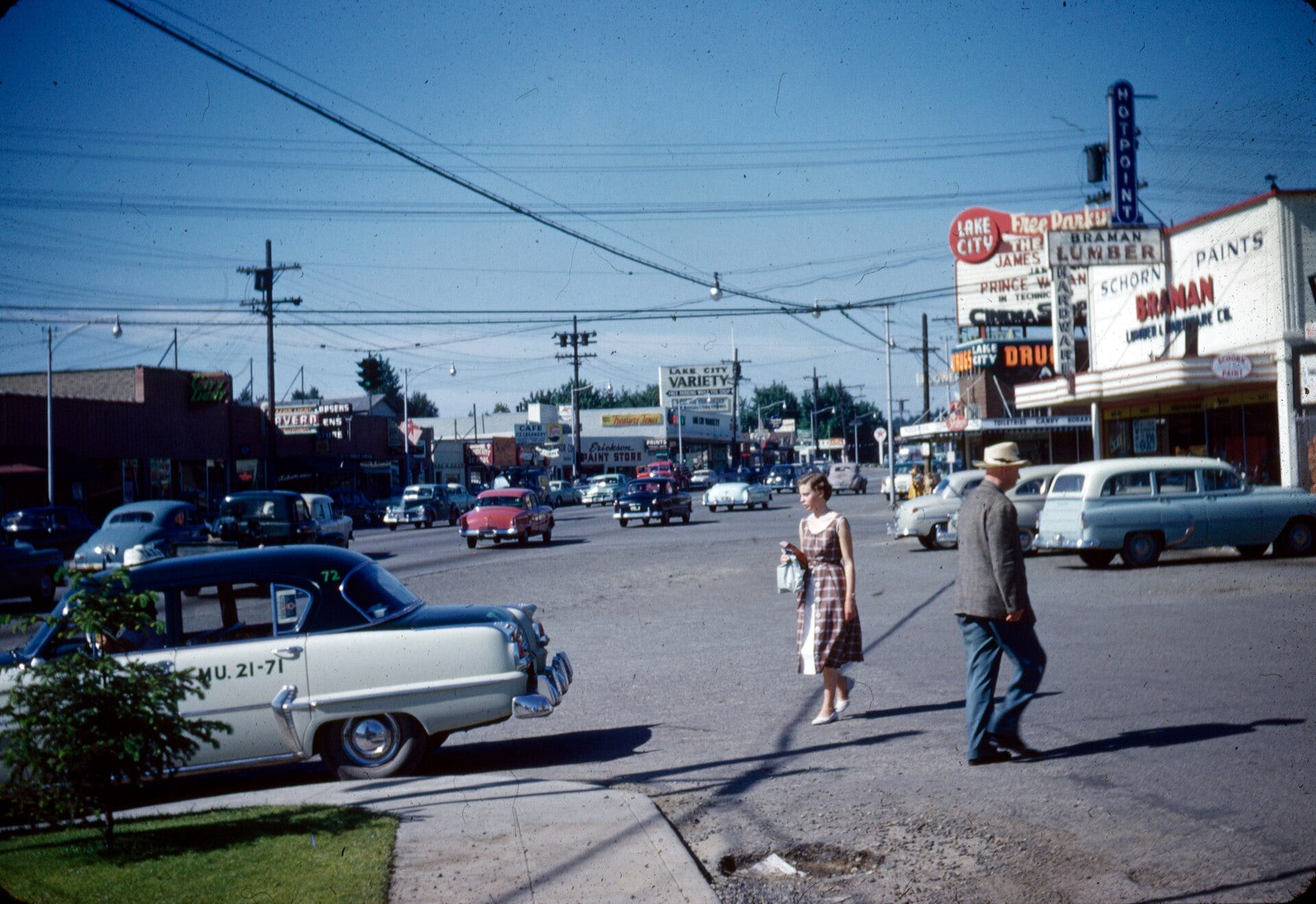
One spring, the mayor of Seattle asked the president of the United States for help against an enemy no one could see. Thousands of drivers in Washington State had found tiny pits in their windshields, and no one could say what was making them. The scare is remembered as the Seattle windshield pitting epidemic.