
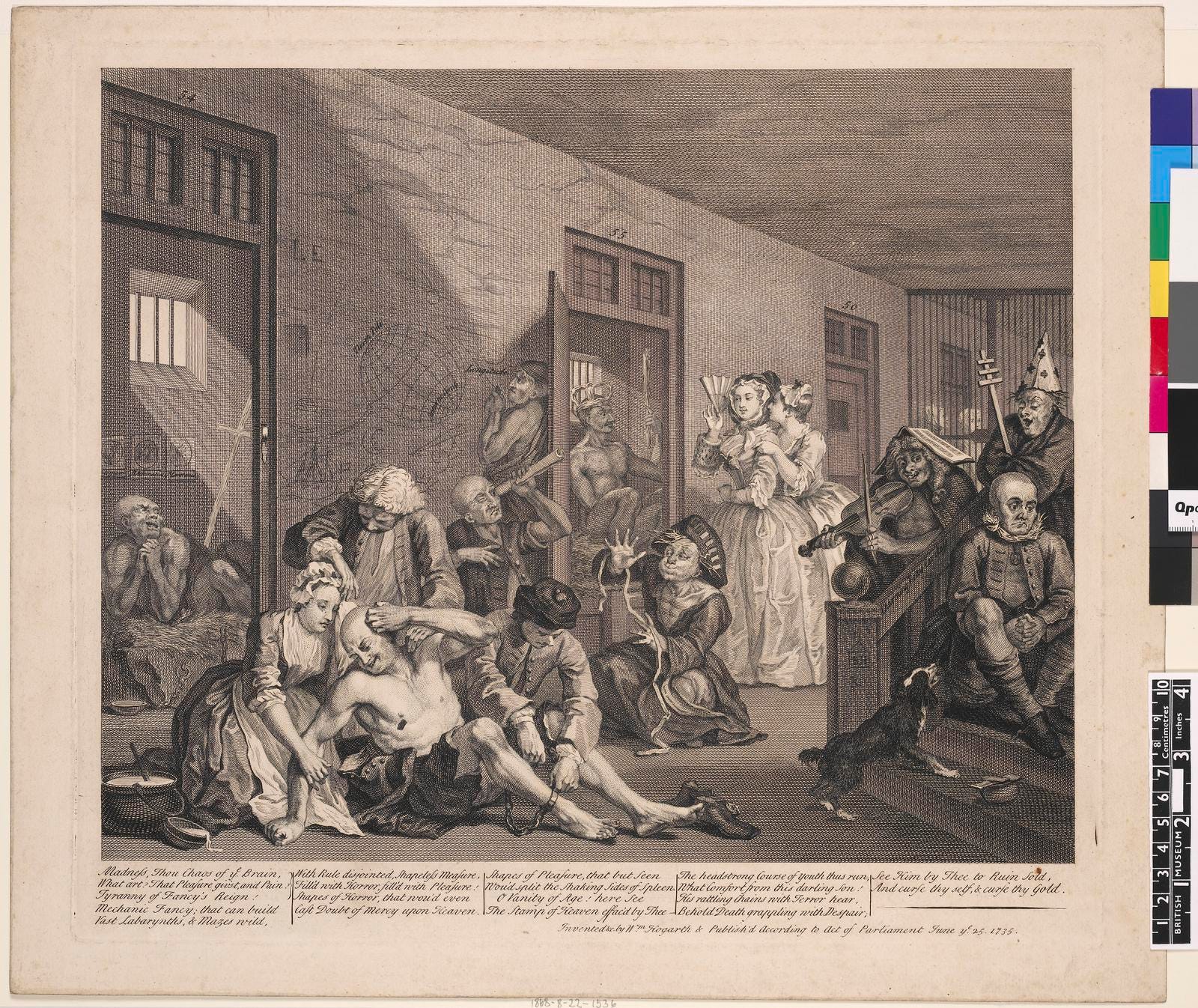
A king usually reigned for life, and most kingdoms had no law for the day he lost his mind. Orders often still went out in his name, and rivals fought to control the man who signed them. So the people around a sick ruler improvised: they hid the illness, governed for him, deposed him or killed him.
Cool Stories About History is a newsletter to learn history the fun way.
Join free and get:
6 new stories a month, straight to your inbox
The full archive of stories
Comment, ask questions, and chat with other readers
How These Were Chosen
Mad, here, is the word attached to a ruler in his own time or by later writers, and it was rarely a doctor's verdict. Some of the twelve had a real illness of the mind. For others, the label rests on hostile chroniclers or on rumor, and it is still disputed.
Not all were kings. The twelve also include emperors, a caliph and two sultans, from Rome in the first century to Japan in the 1920s.
The least familiar come first, and the last is George III, the king named in the Declaration of Independence.
12. Emperor Justin II (565 to 578)
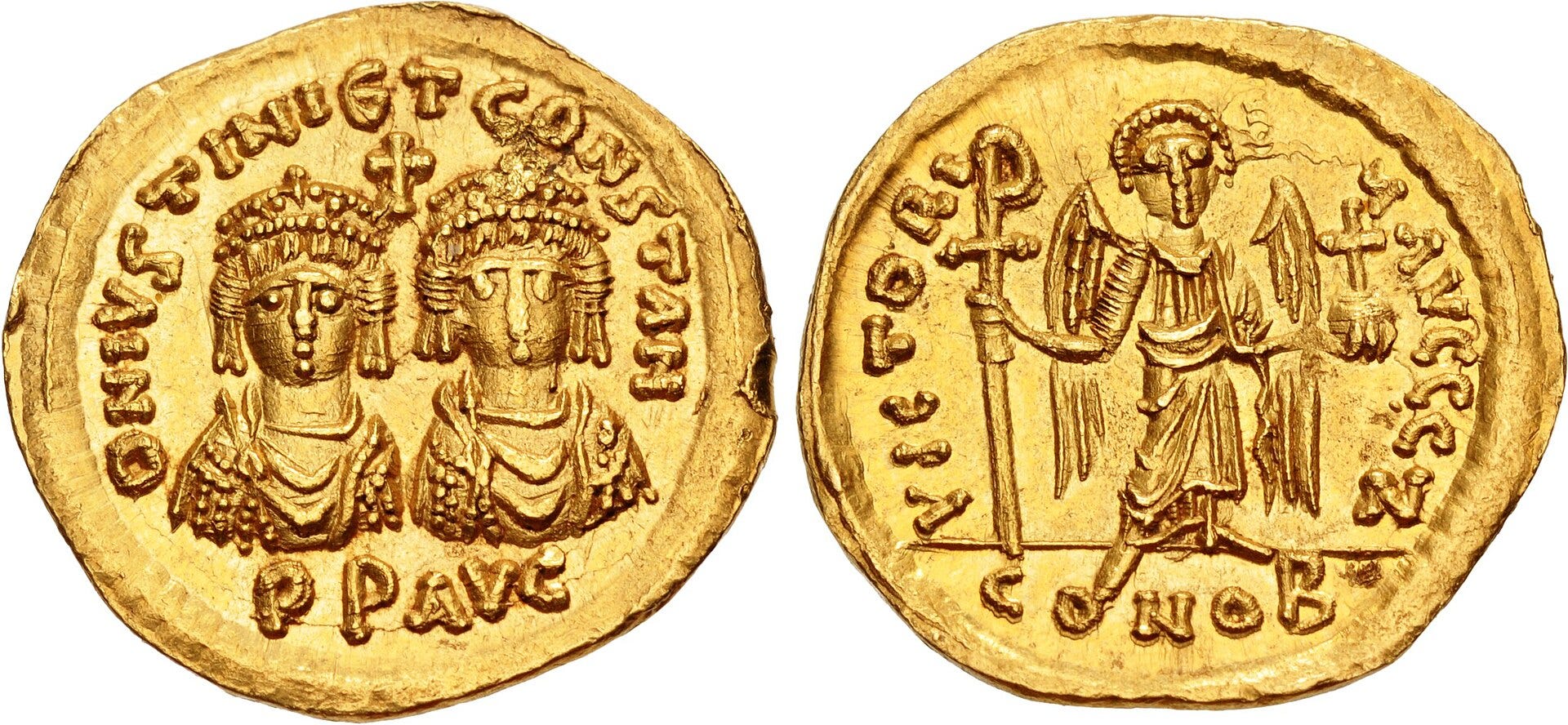
As long as the organ played, the emperor stayed quiet. So in the 570s an organ played almost day and night near the bedroom of Justin II in the great palace of Constantinople. The city is now Istanbul, and Justin had ruled the Eastern Roman Empire from it since 565.
His mind gave way in November 573, when he learned that Dara had fallen. The great fortress guarded the empire's eastern frontier, and the Persian king Khusro had taken it after a five-month siege.
The fullest account of what followed comes from John of Ephesus, a churchman whose community Justin had persecuted, and he called the illness God's punishment. In his telling the emperor barked like a dog, mewed like a cat, hid under his bed and tried to throw himself from the windows.
His wife, the empress Sophia, had bars fixed across the windows of his wing. He bit two of the chamberlains chosen to restrain him so badly that they fell ill, and the city said he had eaten them. Nothing calmed him like a little wagon fitted with a throne, which the chamberlains pulled back and forth at speed.
Sophia also took over the government. She wrote to the Persian king in her own name and paid him for a truce, first of one year, then of three. With the senate, she then pressed her husband to choose a successor.
During a clear spell on December 7, 574, Justin named Tiberius, the commander of the palace guard, as his Caesar. The title marked the heir who shared his power. At the ceremony Justin wept and made a public speech of repentance, telling Tiberius to take warning from his fall.
For almost four years Tiberius ran the empire, and above all its wars. On good days, attendants propped Justin up in his chair and showed him to the people, guiding his arms as he scattered coins. Tiberius was crowned emperor on September 26, 578, and Justin died a few days later, in early October.
At a Glance
Who: Justin II, emperor of the Eastern Roman Empire
Reigned: 565 to 578, from Constantinople
The crisis: From November 573, after the Persians took the fortress of Dara
What the court did: His wife Sophia governed, then Tiberius was made Caesar on December 7, 574
End: Died in early October 578, a few days after Tiberius was crowned
11. Al-Hakim, Caliph of Cairo (996 to 1021)
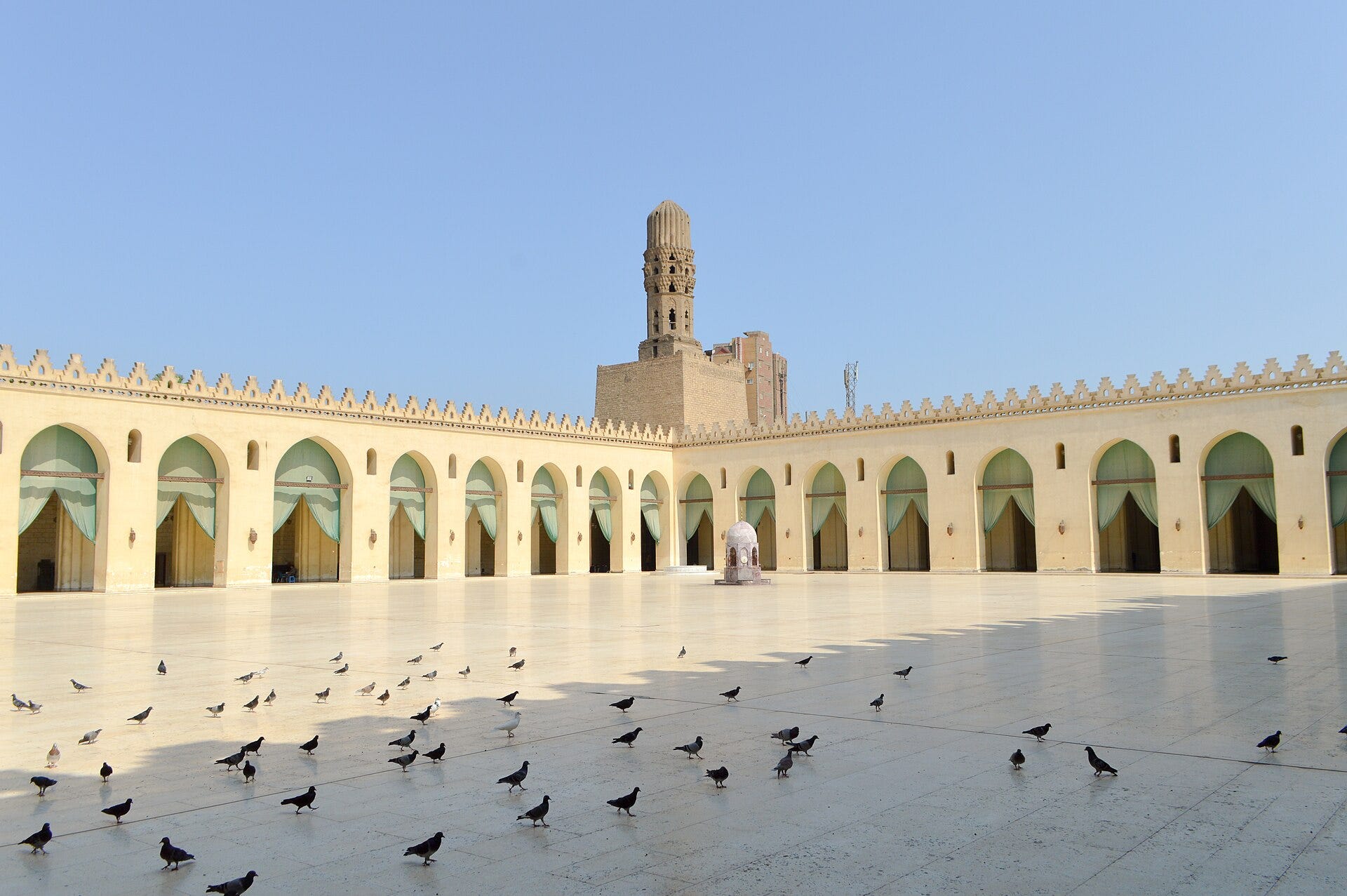
Al-Hakim, caliph of Egypt, is remembered as the Mad Caliph, who had every dog in Cairo killed and kept the city's women indoors for years. On February 13, 1021, he rode alone at night into the hills above Cairo, and his officers found only his gray donkey and his clothes, pierced by daggers. Who killed him, and why did rumor blame his own half-sister?