
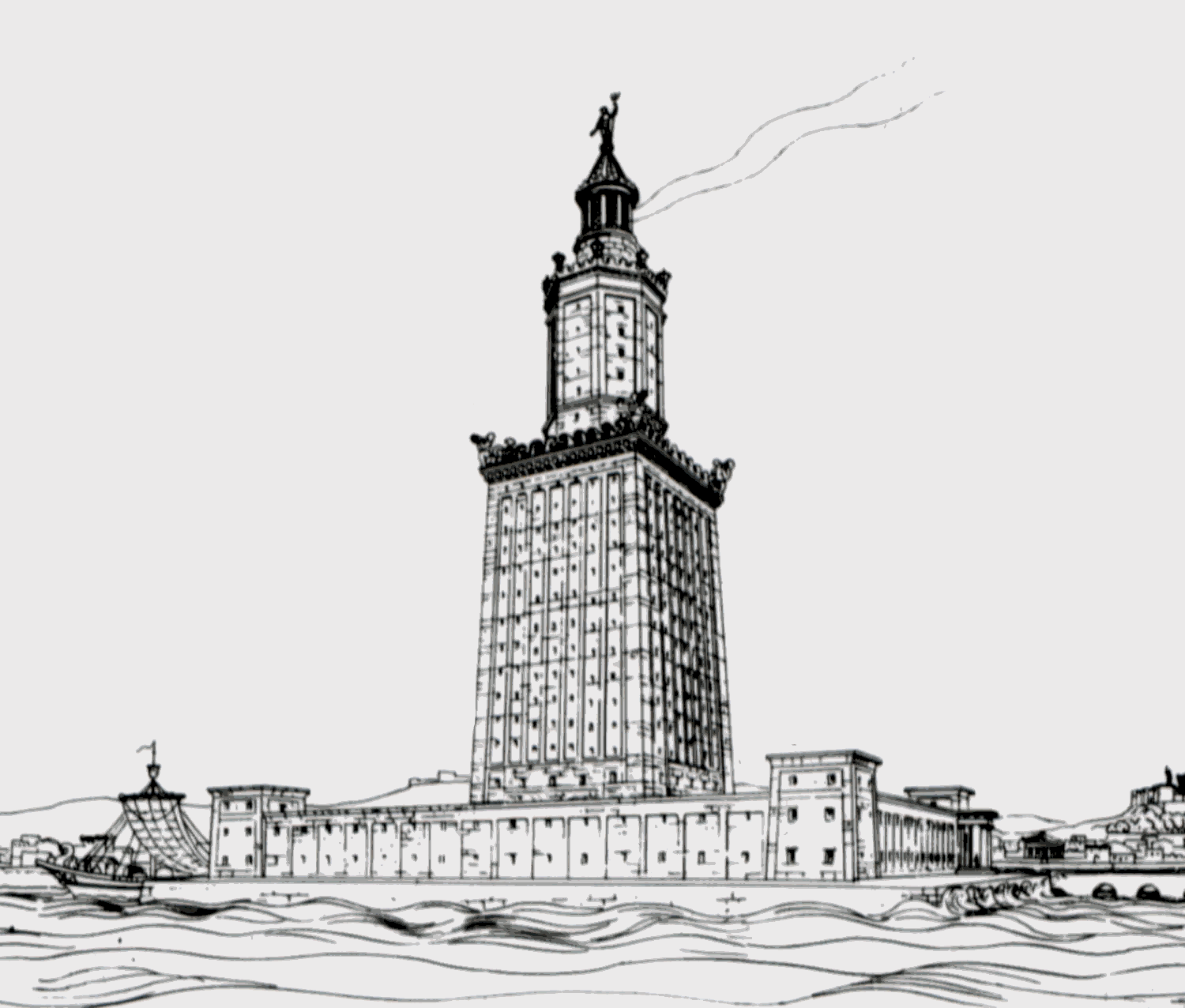
In the second century BC, Greek writers drew up lists of the seven buildings and statues they thought the most astonishing sights of their world. The lists changed over the centuries but always held seven. Six of those Seven Wonders are gone, one of them never found where the ancient writers placed it. Five other great monuments of the ancient world have vanished too, two of them destroyed on purpose in this century.
Cool Stories About History is a newsletter to learn history the fun way.
Join free and get:
6 new stories a month, straight to your inbox
The full archive of stories
Comment, ask questions, and chat with other readers
How These Were Chosen
Seven of the twelve are the classic Seven Wonders. Six of them are gone, one of them never found at all. The seventh still stands, stripped of its white outer stone.
The other five never made the ancient list, though each was among the great sights of its age. They are a tower, a temple, two statues and a pair of Buddhas cut into a cliff. Three disappeared long ago, and two were destroyed on purpose in this century.
The best known come last.
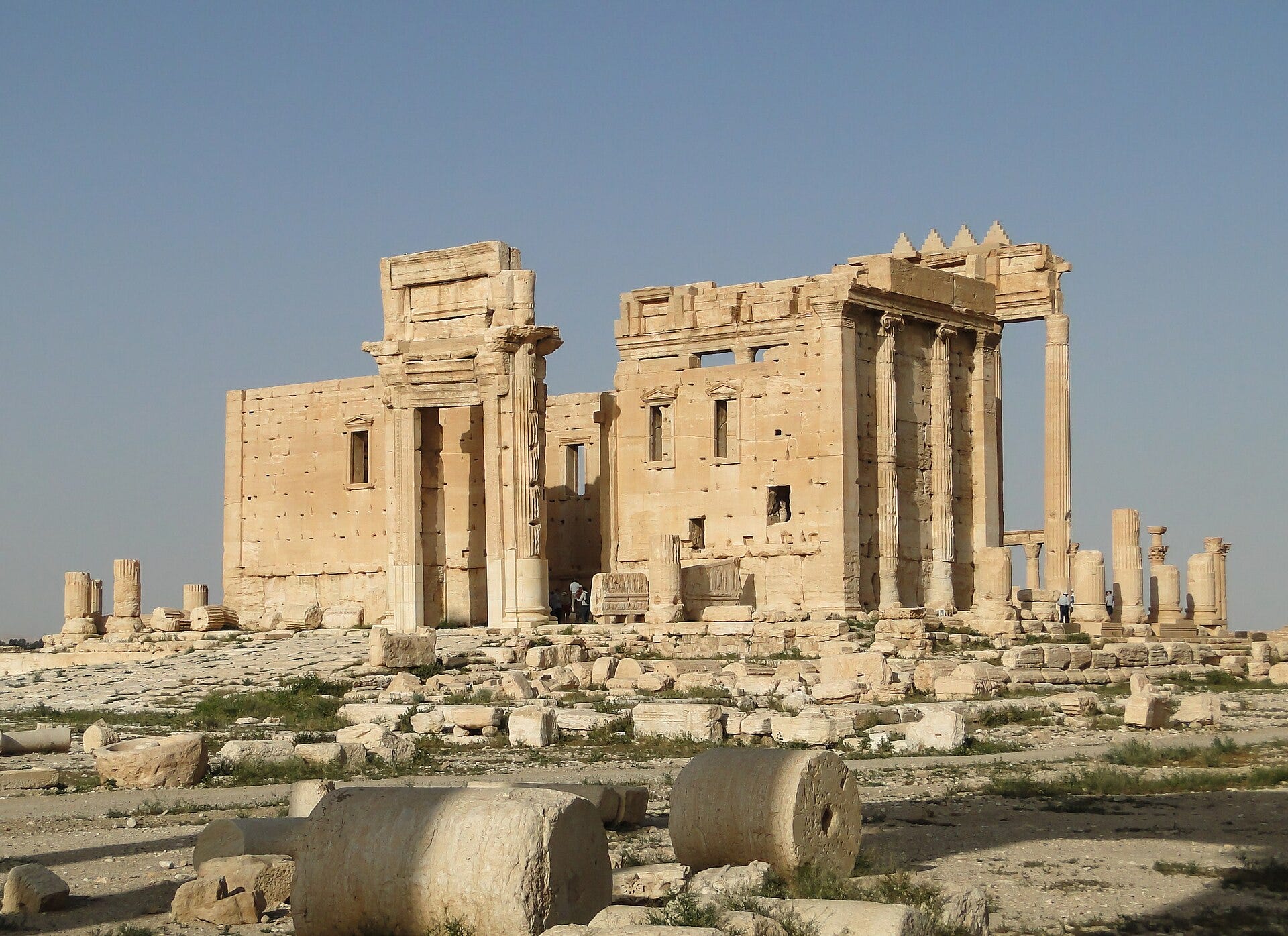
12. The Temple of Bel, Palmyra (destroyed 2015)
Khaled al-Asaad refused to tell Islamic State fighters where the treasures of Palmyra were hidden. For four decades he had looked after the ruins of this ancient oasis city in the Syrian desert, and he had served as its director of antiquities.
The fighters had seized Palmyra from Syrian government forces in May 2015. As they approached, most of the city's ancient artifacts had been moved out. The fighters held al-Asaad for about a month and questioned him, and he would not answer.
In mid-August, they killed him. Days later, on August 23, they blew up the temple of Baalshamin, one of the great temples of the city.
The most important of them, the Temple of Bel, was still standing. It had been dedicated to the god Bel in the first century AD, when Palmyra was a rich caravan oasis that had just come under Roman control.
For nearly 2,000 years, its main building had stood with a row of columns close beside it. On Sunday, August 30, 2015, the fighters blew up the temple.
Satellite pictures taken on August 27 and August 31 showed what had happened. UNITAR, a United Nations agency that studies such images, confirmed that the main building and the row of columns beside it had been destroyed.
Of the temple al-Asaad had spent his life guarding, little was left besides a few columns at the outer edges of the site.
At a Glance
Built: Dedicated to the god Bel in the first century AD
Guarded by: Khaled al-Asaad, killed in August 2015 after refusing to say where Palmyra's treasures were hidden
How it vanished: Blown up by Islamic State fighters on August 30, 2015, as satellite images confirmed
Where: Palmyra, Syria
What remains today: A few columns at the outer edges of the site
11. The Colossus of Nero (60s AD)
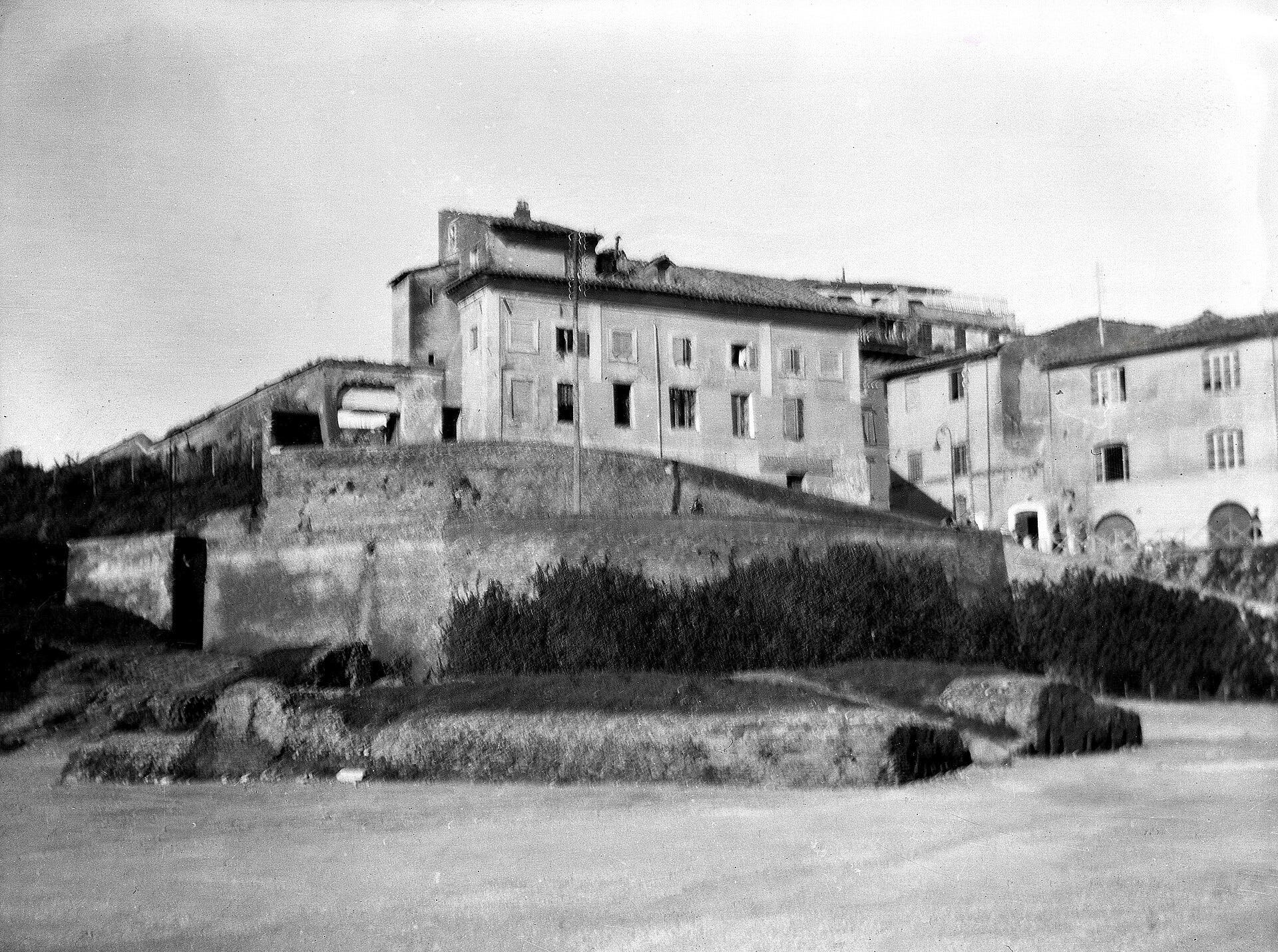
More than 100 feet of bronze, in the shape of the emperor himself, stood at the door of Nero's new palace in Rome in the 60s AD. The Colossus of Nero later became a sun god, lost Nero's features, became a hero, then the sun god again, and finally vanished without a trace. How did a statue that disappeared give its name to one of the most famous buildings on earth?