
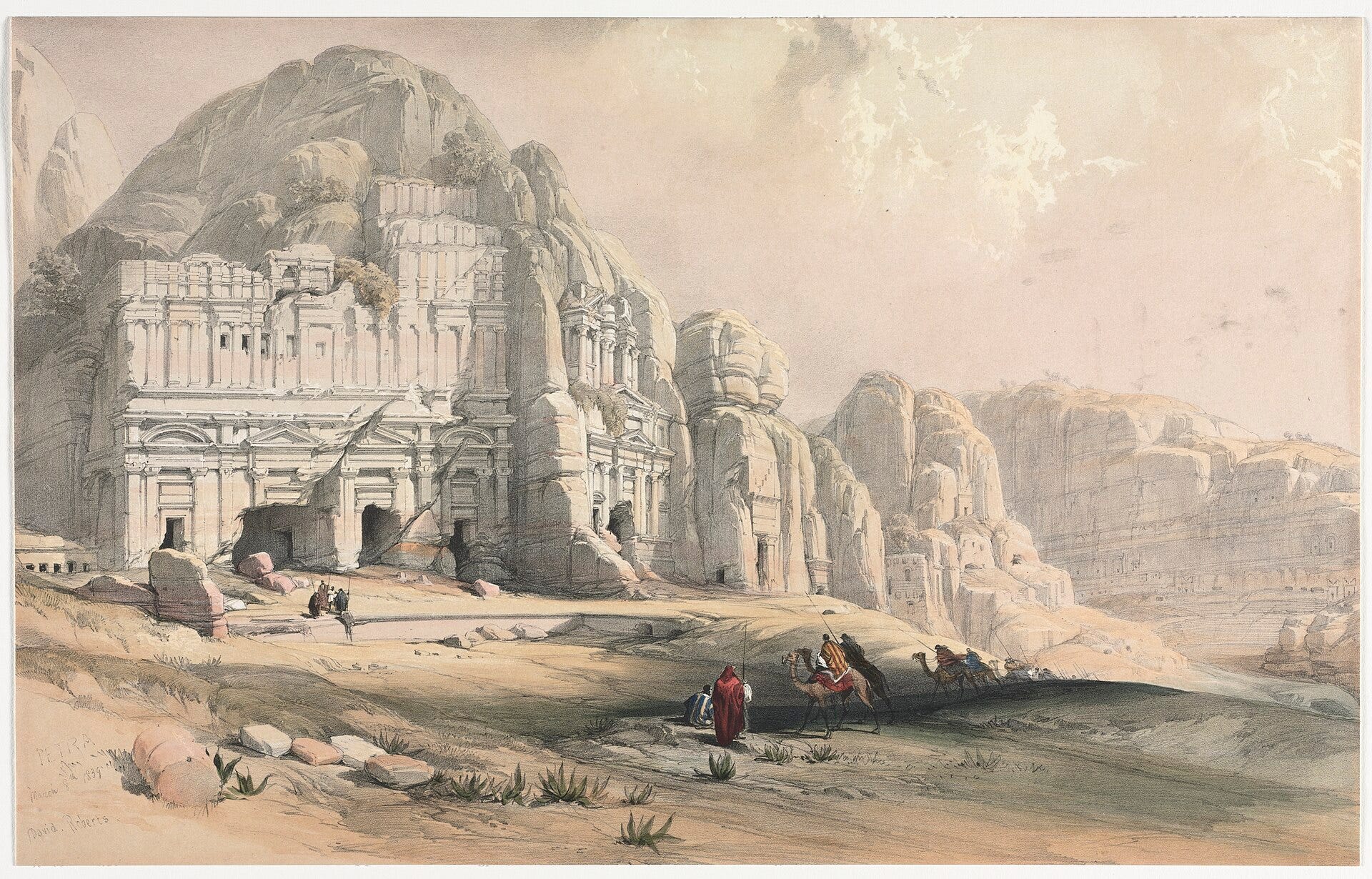
For more than a thousand years, a desert city carved into the rock of southern Jordan was known only to the herding families who lived around it. Other great cities of the ancient world vanished under earth, forest, volcanic ash or the sea, and some survived only as names in old books. And the person history credits with bringing a city back was not always the first to dig there.
Cool Stories About History is a newsletter to learn history the fun way.
Join free and get:
6 new stories a month, straight to your inbox
The full archive of stories
Comment, ask questions, and chat with other readers
How These Were Chosen
A lost city, here, is a place where many people once lived and which later emptied. Its remains passed out of sight of the outside world, under earth, ash or sea, or deep in forest and desert. Sometimes the name survived, and only the city itself was lost.
Most of the twelve are cities. The oldest, in Turkey, is usually called a settlement, because there is no agreed line between a large village and a city. All twelve were founded more than 2,000 years ago.
They come in order of fame, from places few Americans know to the most famous of all, the city of the Trojan War.
12. Caral (c. 3000 to 1800 B.C.)
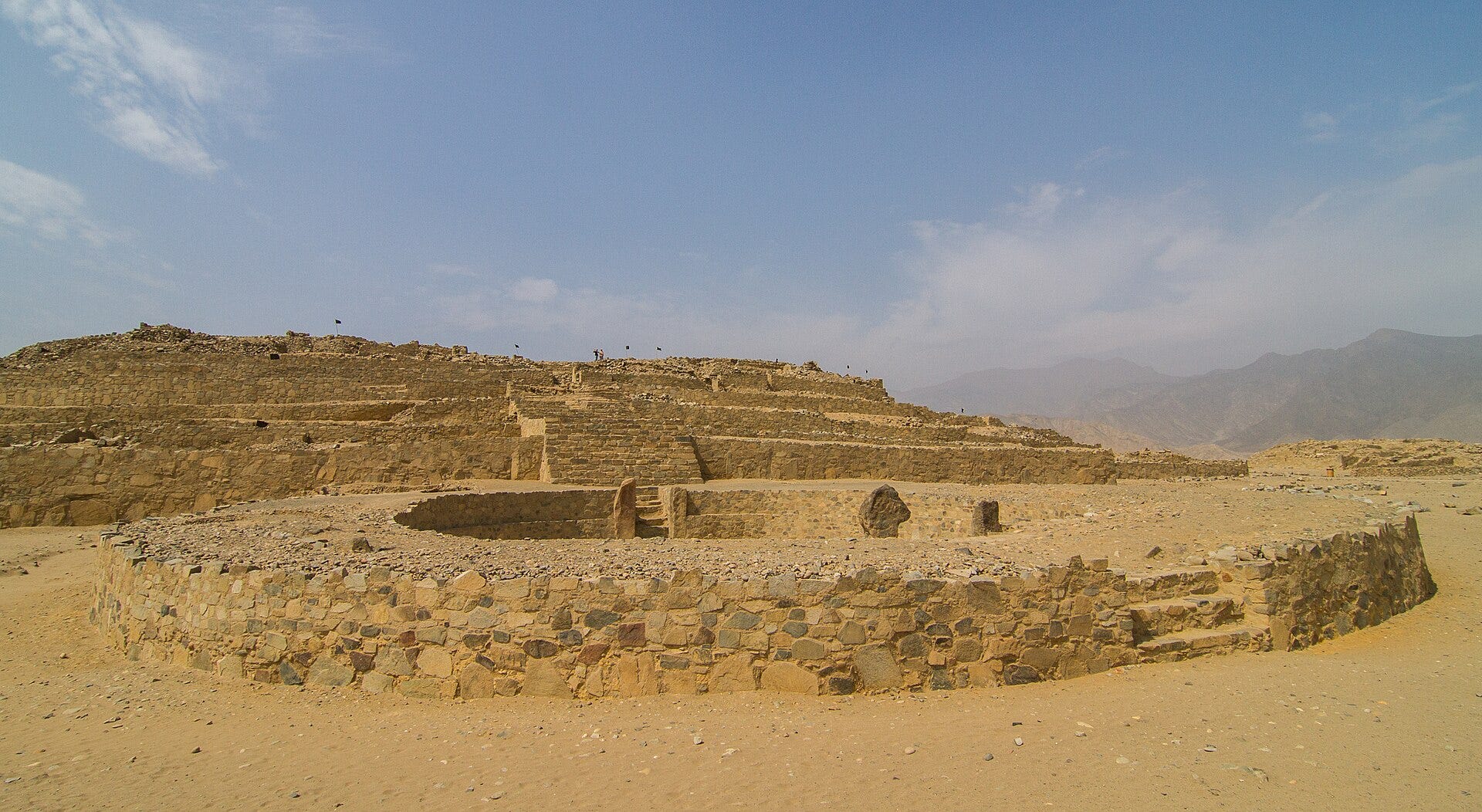
In 1994, a Peruvian archaeologist named Ruth Shady walked onto a dry desert terrace above the green valley of the Supe River, about 120 miles north of Lima. In front of her rose six great mounds of stone and earth, shaped like pyramids. "I was overwhelmed," she said later.
The place was Caral, and it was not entirely unknown. It had been recorded in 1905, but archaeologists took its buildings for fairly recent ones. For almost ninety years, hardly anyone looked at it again.
Shady taught at San Marcos University in Lima. She began to dig in 1996, with 25 Peruvian soldiers helping her team, and uncovered a town divided by rank. Its leaders lived in large rooms on top of the pyramids, craftsmen worked at ground level, and laborers lived in shantytowns on the edges.
What fed such a town in the desert? Shady thinks farmers grew cotton, and fishermen on the coast, about 14 miles away, used it for their nets and paid in dried fish and shellfish. The town had music too, played on 32 flutes made from pelican and condor bones.
The great unknown was the age of the place. Reeds from the foundations of the pyramids went through radiocarbon dating, a laboratory method that measures the age of once-living material. In December 2000, the answer came back: the reeds were 4,600 years old, which put them at about 2600 B.C.
That date alone made Caral about 1,000 years older than the Olmec settlements far to the north, in Mexico. Later tests by Shady's team pushed the beginnings of Caral back to around 3000 B.C.
Caral had emptied by about 1800 B.C., for reasons that may never be known. Later settlers built only on its outskirts, and no gold or silver was ever found there to tempt looters, so the pyramids stayed largely intact. UNESCO now calls the Sacred City of Caral-Supe "the oldest centre of civilization in the Americas."
At a Glance
Built: Around 3000 B.C.
How it was lost: Emptied by about 1800 B.C., for unknown reasons, then ignored as a recent site
Brought back by: Ruth Shady, who began excavating in 1996
Where: Supe Valley, about 120 miles north of Lima, Peru
Where to see it today: Sacred City of Caral-Supe, a UNESCO World Heritage Site
11. Hattusa (c. 1650 to 1200 B.C.)
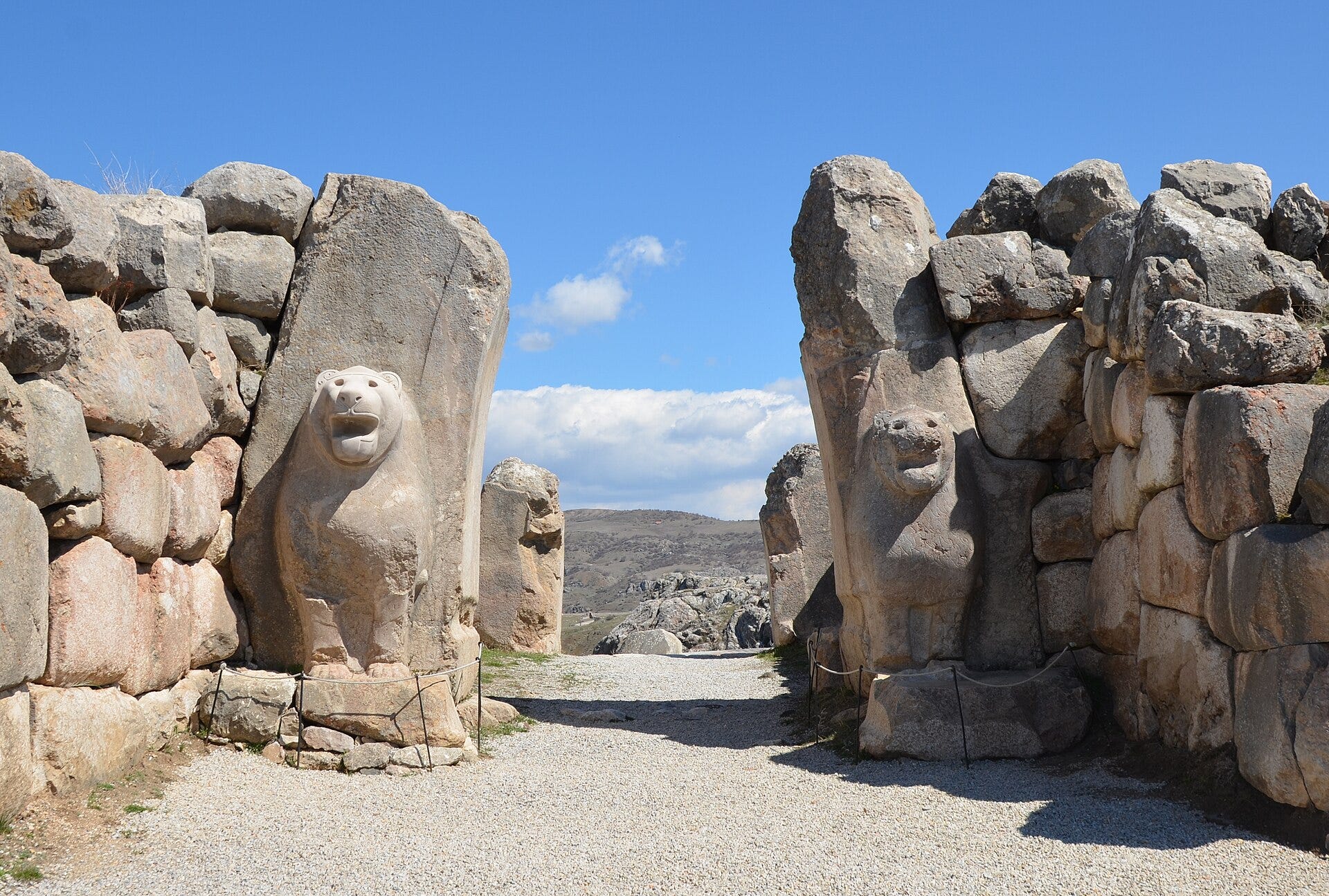
In 1834, the ruins of a vast city were found on a hillside in central Turkey, above a small village. The wall that ran around them was more than 5 miles long. No one could say what city this had been or which people had built it, and the answer would stay buried for more than seventy years.