

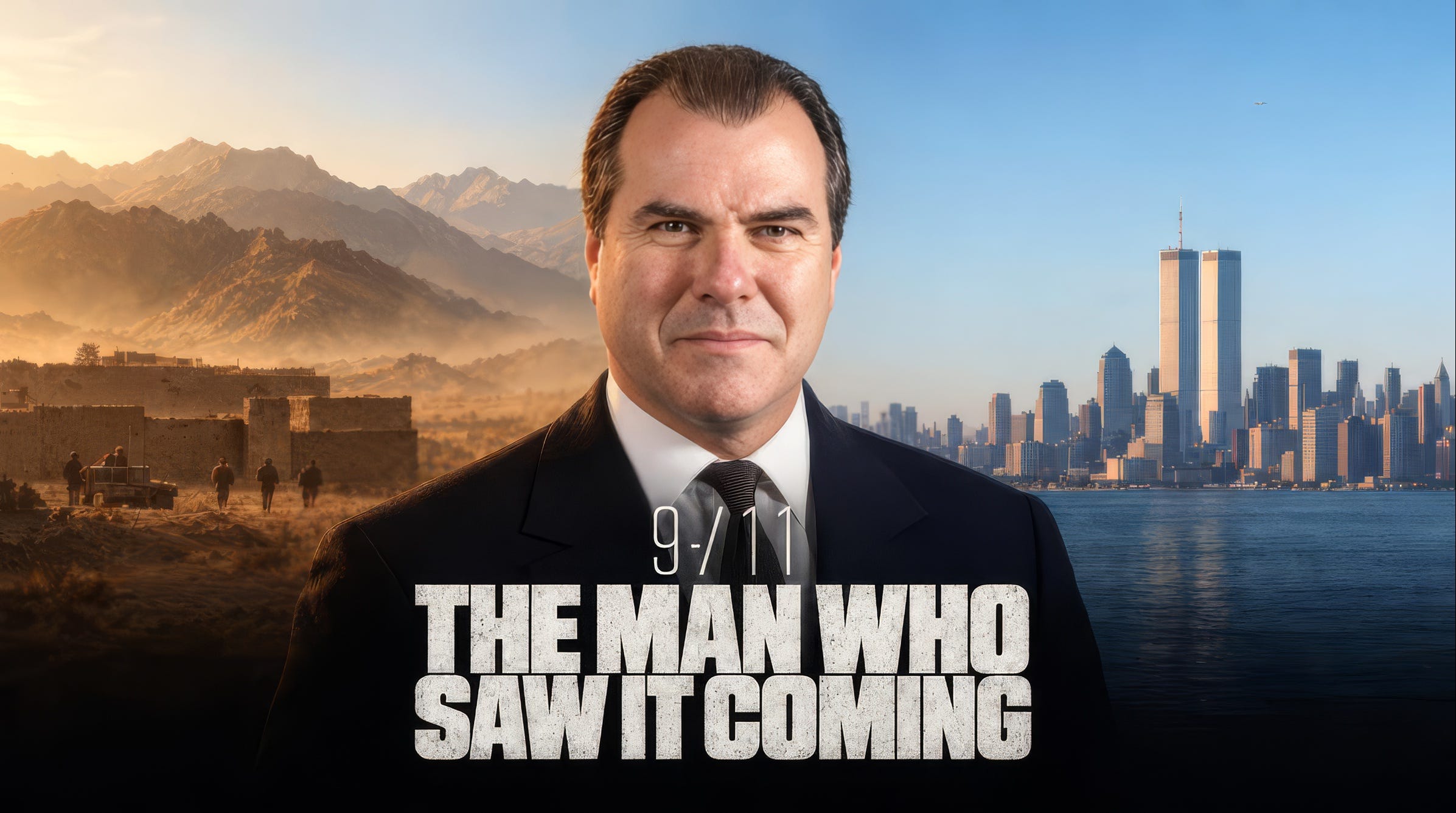
Learn History the fun way.
This is a preview. Paid subscribers get the full story.
You’ll also get:
4 new stories / month
The full archive
Comment, ask questions, DM me anytime
iPhone user? Subscribe at coolstoriesabouthistory.com, not via the app. Apple adds +30% to the price.
The Sunday Call
FBI headquarters, Washington, a Sunday morning in January 1995.
A hallway of closed doors, and a single lamp burning at the far end, in the counterterrorism section. The air smells of reheated coffee.
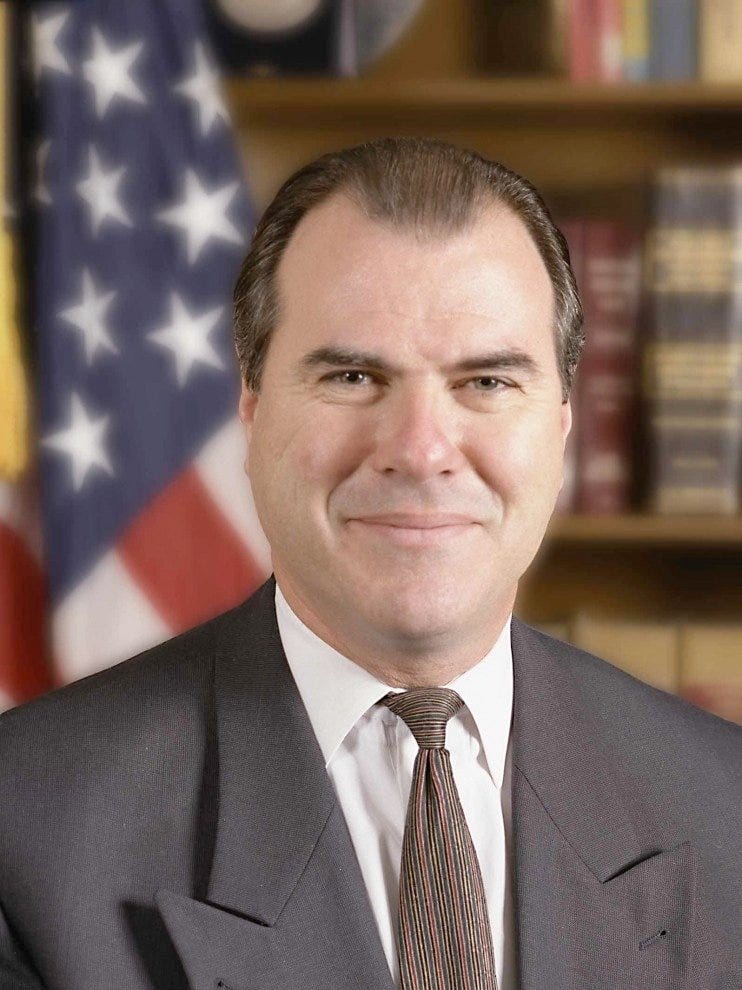
John O’Neill sits down behind a desk that became his this morning. He is 42, with a white pocket square folded into his breast pocket, polished shoes, and 19 years at the FBI behind him, working organized crime, fraud, and counterintelligence. The job is new: chief of the counterterrorism section for the whole country.
The phone rings.
He picks up. On the other end is Richard Clarke, the counterterrorism chief at the National Security Council in the White House, who dialed the number without much hope, betting that someone would pick up even on a Sunday.
“Who’s this?”
“Well, who the hell are you? I’m John O’Neill.”
Clarke doesn’t argue. Ramzi Yousef, the man who blew up a van beneath the World Trade Center in February 1993 and killed 6 people, has just been tracked to Pakistan.
O’Neill hangs up, dials another number, then another. For days he never leaves the office, pulling together a team of agents from the Drug Enforcement Administration and diplomats from the State Department. On February 7, 1995, Ramzi Yousef is arrested in Pakistan as he tries to slip into Afghanistan.
That night, O’Neill opens the Yousef file and reads it page by page, until the hallway goes dark. What Yousef had in mind fits on a few sheets of paper: 12 airliners blown out of the sky over the Pacific in 48 hours.
Among the papers are phone numbers. One goes to the CIA to be run down, and the card comes back with three words on it: Islamic extremist financier.
And a name. O’Neill takes an empty manila folder, uncaps his pen, and writes it on the tab.
Osama bin Laden.
Khobar
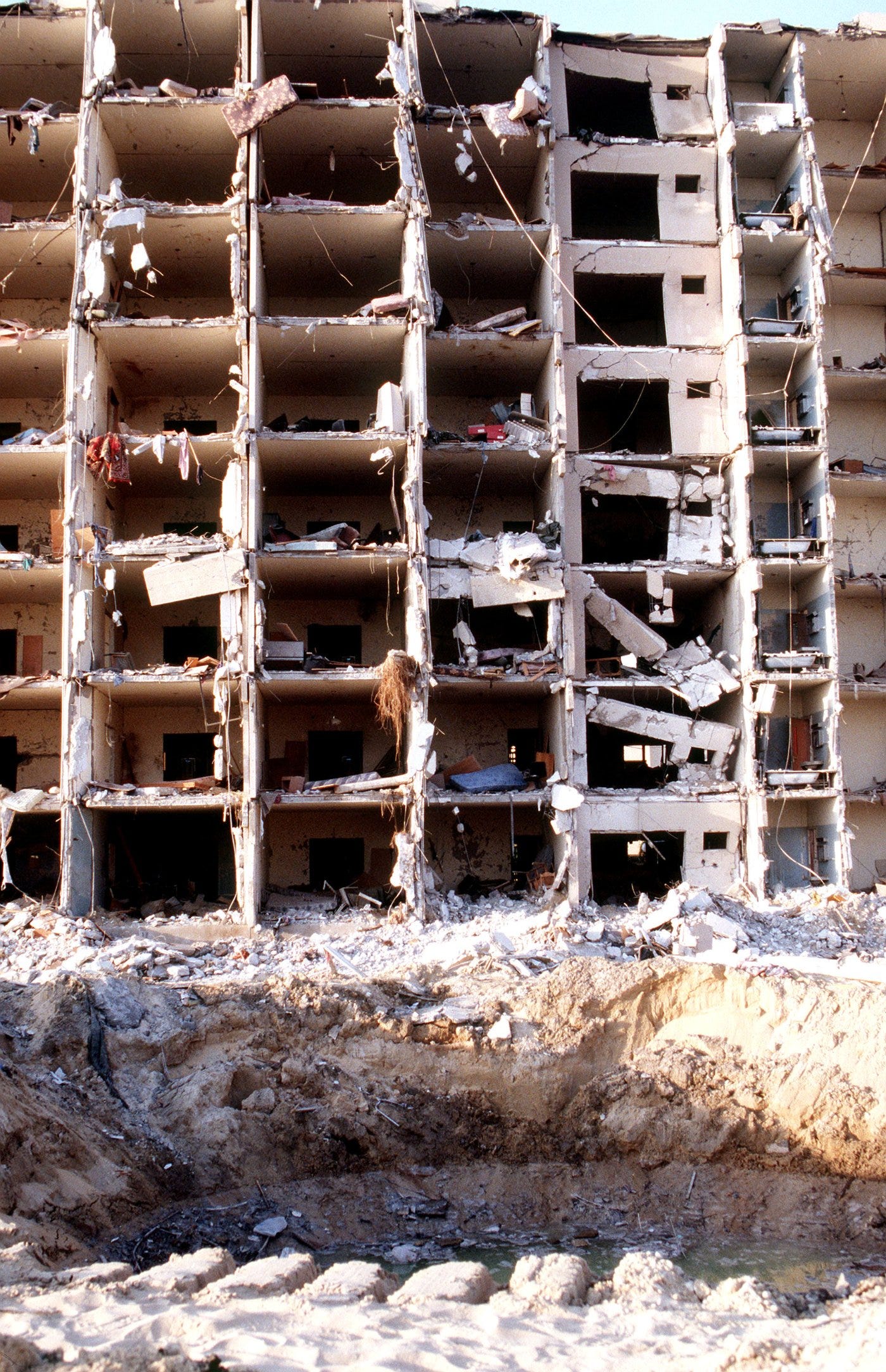
Seventeen months later, in June 1996, in Khobar, Saudi Arabia.
A bomb has ripped open the face of a building that houses American troops. 19 soldiers are dead. John O’Neill steps off the plane with Louis Freeh, the director of the FBI.
For a year and a half now, anything that touches the name bin Laden, a wire transfer, an address, a man in custody, has landed sooner or later on his desk in Washington.
A Saudi police office. Tea steaming in glasses rimmed with gold, and a general in uniform smiling behind his desk. Arrests have been made, he says.
“I want their names.”
“You’ll get them.”
The next day, same office, same tea, same smile. O’Neill hasn’t touched his glass.
“The names.”
“They’re coming.”
Out in the hallway, he grabs Freeh by the arm.
“They’re not going to give us anything. Go back in there, and don’t come out of that room without the names.”
Freeh glances at his watch, then at the general waiting for them in the doorway.
“They’re our allies, John. We don’t force their hand.”
O’Neill lets go of his arm and flies home to Washington, jaw clenched, without one more name.
A Room in Chicago
Chicago, June 1997.
A packed conference room. Dark suits, legal pads open on laps, a microphone that squeals as O’Neill steps up to the podium. Since January he has run counterterrorism for the New York office, 350 agents, and the National Strategy Forum has invited him to speak.
Both hands rest on the lectern. His subject: the men who fought the Soviets in Afghanistan in the 1980s, and then went home.
“They were trained in terrorist activity, and now they are back in their various countries around the world with the training and having the network capabilities to know other jihad players around the world who have the same like mind, the same fundamentalist thinking and the same type of training.”
Pens stop moving.
“Almost all of the groups today, if they chose to, have the ability to strike us here in the United States.”
The room goes quiet.
“Unfortunately, I cannot predict that no Americans will be injured or killed as a result of a terrorist attack.”
Four Walls
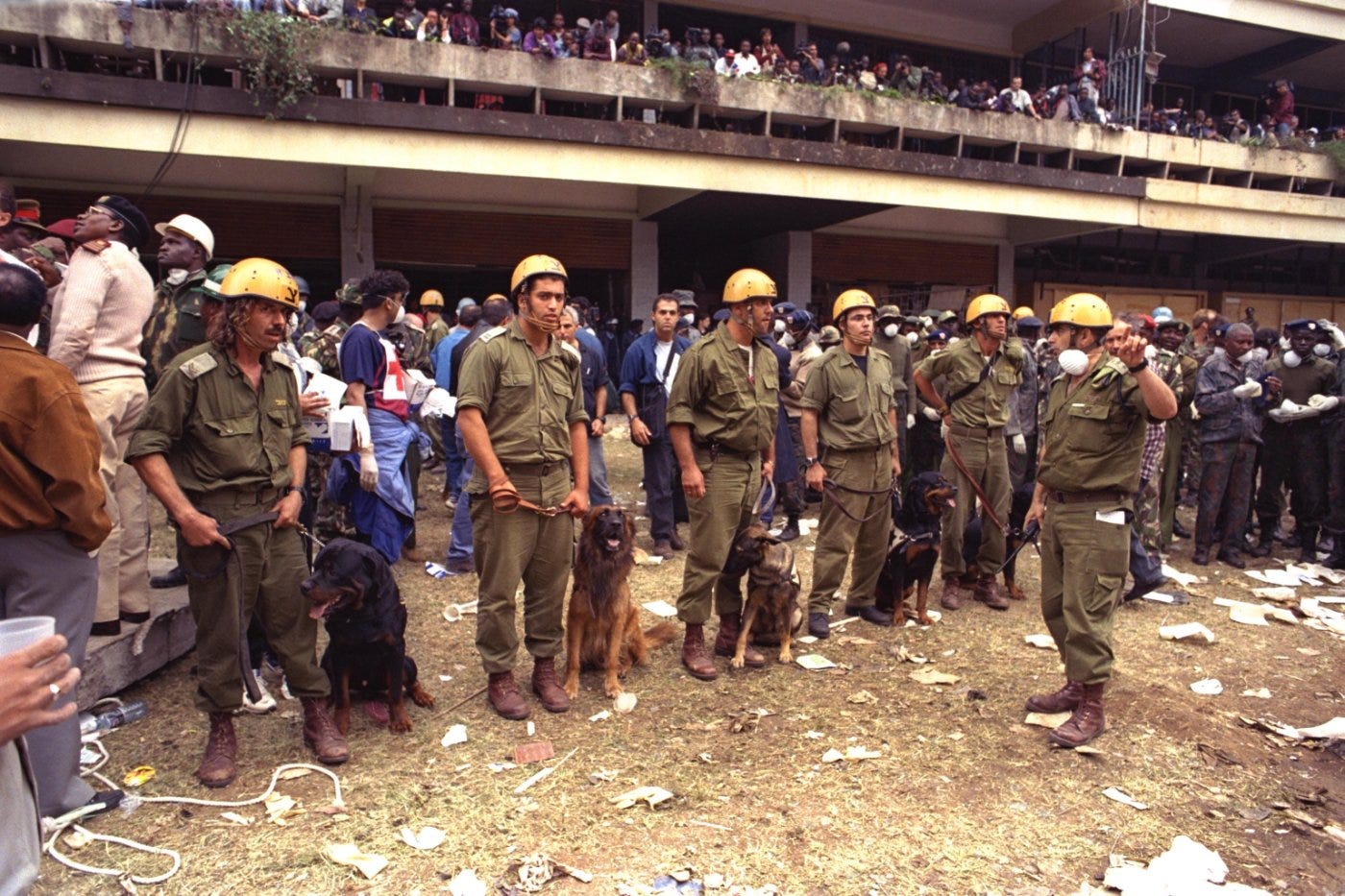
New York, August 7, 1998, at FBI offices.
On a television set, the same footage runs over and over. Two truck bombs have gone off almost in the same minute outside the American embassies in Nairobi, Kenya, and Dar es Salaam, Tanzania. 224 dead.
O’Neill doesn’t wait for a report. He walks down the hall to the office of Lewis Schiliro, who runs the New York office, and goes in without knocking.
“Lewis, I know who’s behind this. It’s bin Laden.”
Schiliro looks up.
“Two trucks, two cities, same minute. Nobody else on earth can pull that off. I want the case, and I’m going to Nairobi.”
An attack on an embassy normally goes to the Washington field office. Schiliro calls headquarters.
That day the FBI’s number two is on vacation, unreachable by phone. Thomas Pickard, head of the Criminal Division, makes the call instead.
“Embassies belong to Washington. Always have.”
A few weeks go by. Evidence comes back from Africa, and it points to bin Laden. Headquarters reverses course: the case goes to New York, to O’Neill’s teams.
He asks for a plane ticket to Nairobi. Headquarters calls back with its answer.
“Your agents go. You stay in New York.”
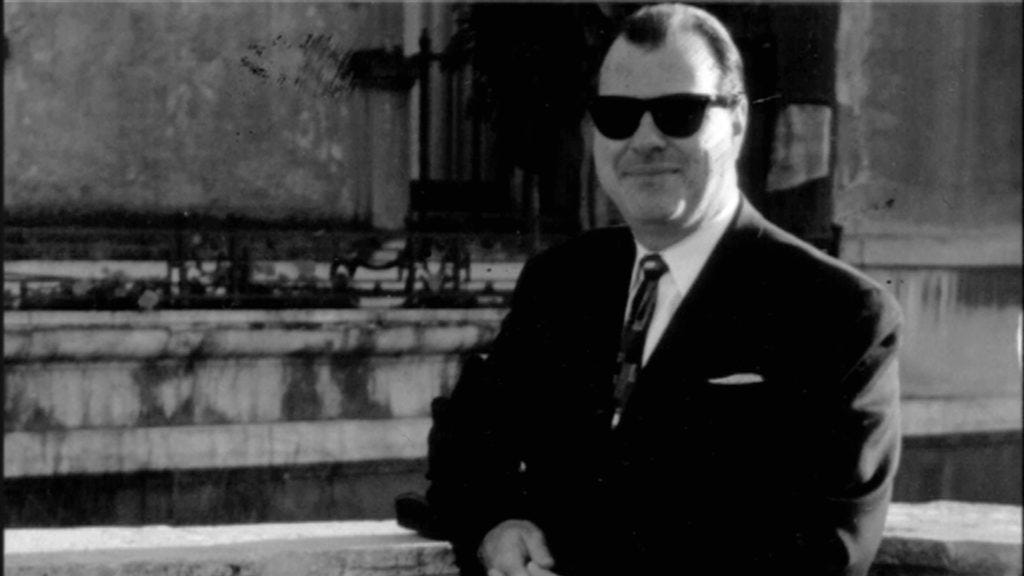
His agents fly out without him. At headquarters, they call O’Neill too flashy, too sure of himself, a cowboy, and the word goes around the halls in Washington.
So the framed pictures come down off his office walls, sheets of paper go up in their place, and within days all four walls are covered.
Names connected by arrows. Phone numbers. Photos of suspects, everything his agents read to him over the phone from Africa, night after night.
The Trunk
In December 1999, in New York, a warning comes in: an attack is being planned for the turn of the millennium, and this time the intelligence points to American soil. O’Neill calls his 350 agents together in the big room at the office.
“Nobody goes home for Christmas. Nobody.”
A room without windows. Agents in headphones listen live to the tapped lines, day and night, scribbling on legal pads. Attorney General Janet Reno has approved the wiretaps by word of mouth, without waiting for the paperwork.
O’Neill moves from one station to the next, a cup of cold coffee in his hand, and leans over the pads.
“What’ve we got?”
“Nothing new. They’re talking about a cousin coming in.”
350 people, and he could use twice that many.
December 14, Port Angeles, near the Canadian border. A rental car rolls off the ferry, and a customs officer raps on the trunk.
“Pop it.”
Inside are about 130 pounds of explosives and a set of timers. The driver was on his way to Los Angeles International Airport.
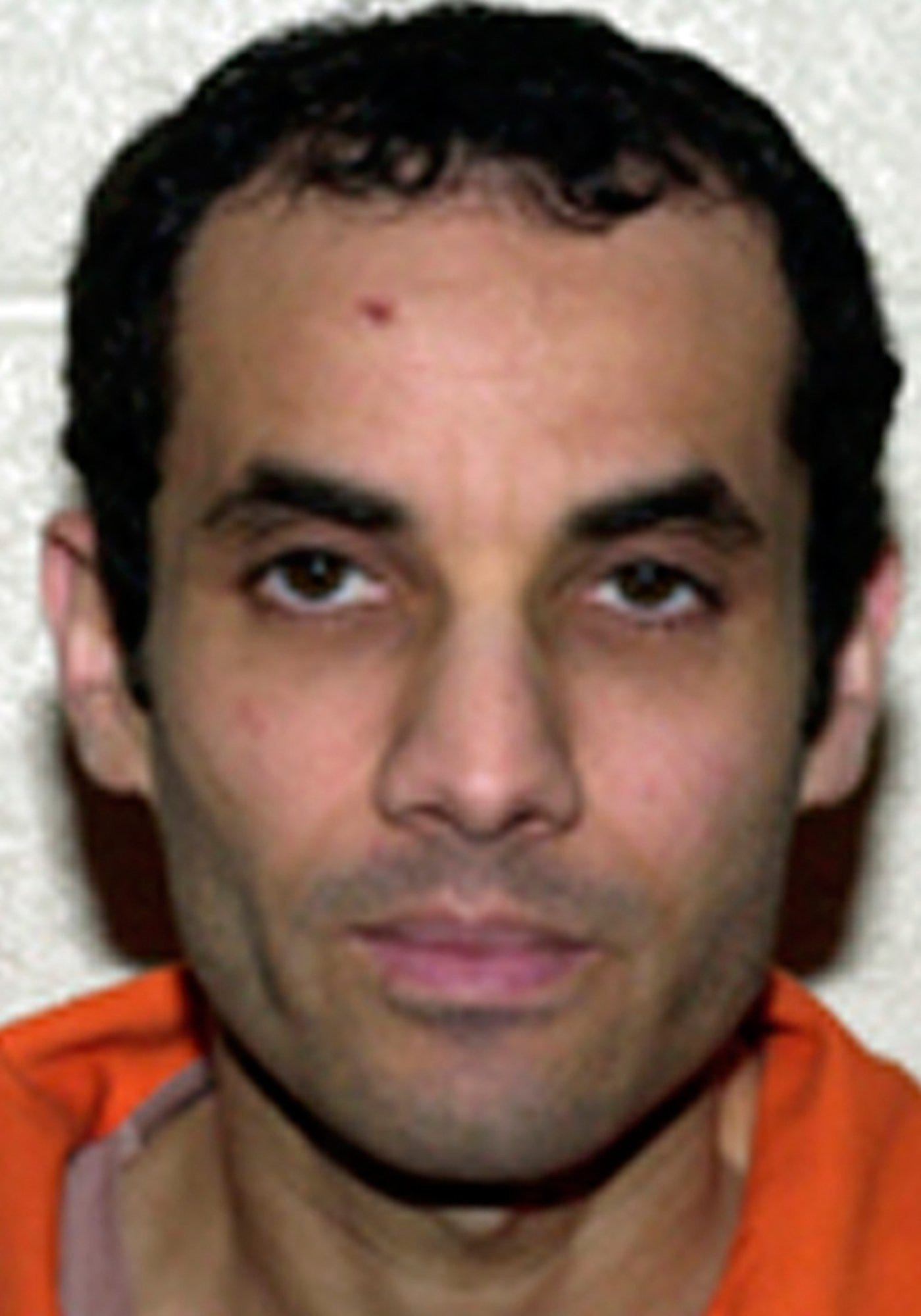
Ahmed Ressam, 32, Algerian. The year before, he spent months training in Afghan camps tied to bin Laden’s network.
New Year’s 2000 comes and goes without a single blast.
The Briefcase
In the summer of 2001, in New York, the warnings from before the millennium are back, just as loud. They reach headquarters in Washington and never make it back down to O’Neill. Whatever he hears about them comes from friends on the phone at night.
Louis Freeh resigned in June. Thomas Pickard, the man who kept the embassy case from him, is running the FBI as acting director.
On Sunday, August 19, O’Neill opens The New York Times and finds his own name. An internal investigation has had him in its sights for a year, the article reveals, over a lost briefcase.
The incident goes back to the year before. July 2000, a hotel in Florida, a mandatory retirement planning seminar, 150 agents in one room. His phone rings. He steps into the hallway to get a signal, and when he comes back, the briefcase is no longer on his chair. The police find it an hour later.
A Montblanc pen and a lighter are gone, and the fingerprint work shows that nobody opened the report inside, which lays out every counterterrorism program in New York.
The Justice Department cleared O’Neill. But the internal case stayed open, tucked in a drawer at headquarters, in a building full of people who call him the cowboy, and someone has just leaked it to the paper.
O’Neill calls Pickard in Washington.
“You gave this to the Times.”
“It wasn’t me, John.”
He hangs up.
On Wednesday, August 22, after 25 years with the FBI, he turns in his badge and his gun and walks out $300,000 in debt, the cost of years of dinners and rounds of drinks he paid for out of his own pocket for police officers from all over the world passing through New York.
The office phone rings. It’s Jerry Hauer, a friend, the former head of New York City’s Office of Emergency Management, who now runs Kroll, a private security firm.
“How you doing?”
“Good timing. I’m packing up my stuff.”
“I heard. That’s why I’m calling. I’ve got a job for you.”
“What kind of job?”
“Security at the World Trade Center.”
Silence on the line, one breath, then another.
“I’ll take it.”