
Before the 19th century, an English speaker who called someone a witch meant a person who used supernatural powers to harm others, such as making them ill. In the 1420s, trials in the western Alps added a new charge, the worship of the Devil. Europe went on to execute some 40,000 to 60,000 people for witchcraft, far fewer than the nine million still sometimes quoted.
Cool Stories About History is a newsletter to learn history the fun way.
Join free and get:
6 new stories a month, straight to your inbox
The full archive of stories
Comment, ask questions, and chat with other readers
How These Were Chosen
In ten of the twelve cases, a witch meant someone accused of harming others by magic, often with the Devil's help. In China and Korea the same crime was called sorcery.
Two cases fall outside that pattern. Helen Duncan, a medium, was jailed in 1944 under a law that treated any claim of magical powers as fraud. Marie Laveau, a New Orleans priestess, faced no known witchcraft trial.
All twelve are real people, known from surviving records. The order runs from the least known for an American reader to the two most famous names of Salem.
12. Paula de Eguiluz (1624 to 1638)
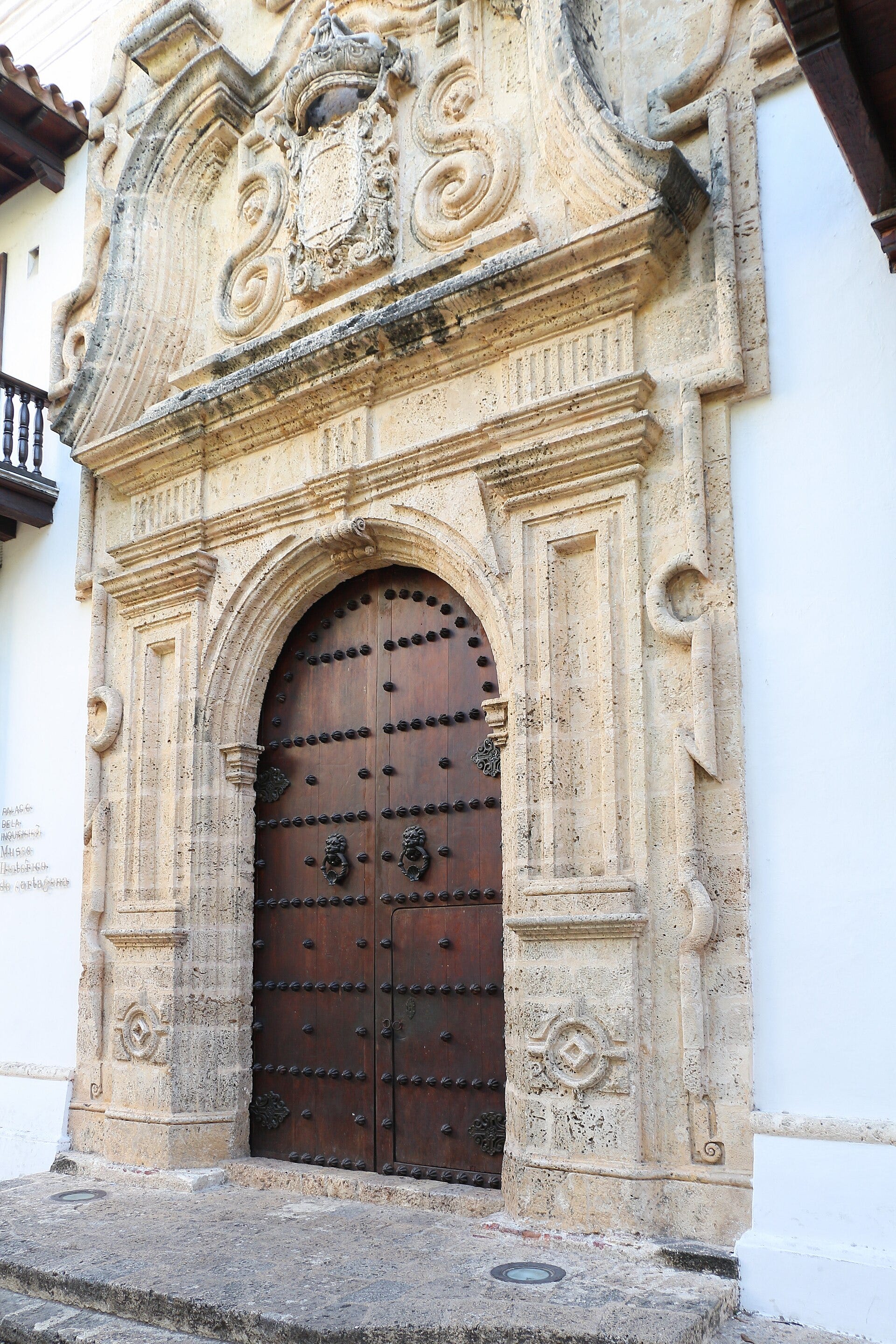
On March 25, 1638, in the main square of the Spanish port of Cartagena, in today's Colombia, an official began to read out the sentence of Paula de Eguiluz. He never reached the end. The crowd was making so much noise that nobody could hear him.
Paula had been born a slave on Santo Domingo, the island now shared by Haiti and the Dominican Republic. Sold in Havana to a man named Juan de Eguiluz, she took his surname. Her trouble began in a copper mining village in Cuba, when a newborn baby she had treated died.
The baby's mother had asked her to help with his swollen belly, and Paula said she had only put rosemary and lavender on it. She was denounced all the same for killing the child and drinking his blood. In 1624 the Inquisition, the Church court that judged crimes against the Catholic faith, brought her to Cartagena and jailed her, and in its prison she confessed to a pact with the Devil.
Her first sentence was read at a public ceremony on November 30, 1624. She received 200 lashes in the streets and two years of work in the city hospital, wearing a penitent's garment that marked her as a convicted sinner. She was also banished from Cuba for life.
She stayed in Cartagena and built a career selling herbal cures and love remedies. One remedy could earn her up to 50 pesos, at a time when a bottle of Spanish wine cost five. Her master later set her free.
In 1632 she was arrested again, accused of going back to witchcraft. Twice the court in Cartagena sentenced her to death, and twice the Inquisition's supreme council in Madrid overruled it.
So the sentence drowned out by the crowd on March 25, 1638, was prison for life. She stood that day beside Portuguese men convicted of Judaism, and the official account called her case "the greatest and gravest" of all.
Prison for life did not end her career. In 1649 an inspector of the Inquisition complained that she still treated patients and rode through town in a sedan chair, wearing gold and coral. The inquisitors themselves had sometimes been her patients, he wrote, and the bishop of Cartagena had kept her in his house for more than twenty days to care for him.
At a Glance
Who: Paula de Eguiluz, a healer born a slave on Santo Domingo
Accused of: Killing a newborn baby and drinking his blood, then of going back to witchcraft
Tried by: The Inquisition in Cartagena, today in Colombia, three times from 1624 to 1638
Final sentence: Prison for life, read out in 1638 over the noise of the crowd
What became of her: Still healing in 1649, with inquisitors and the bishop among her patients
11. Johannes Junius (1628)
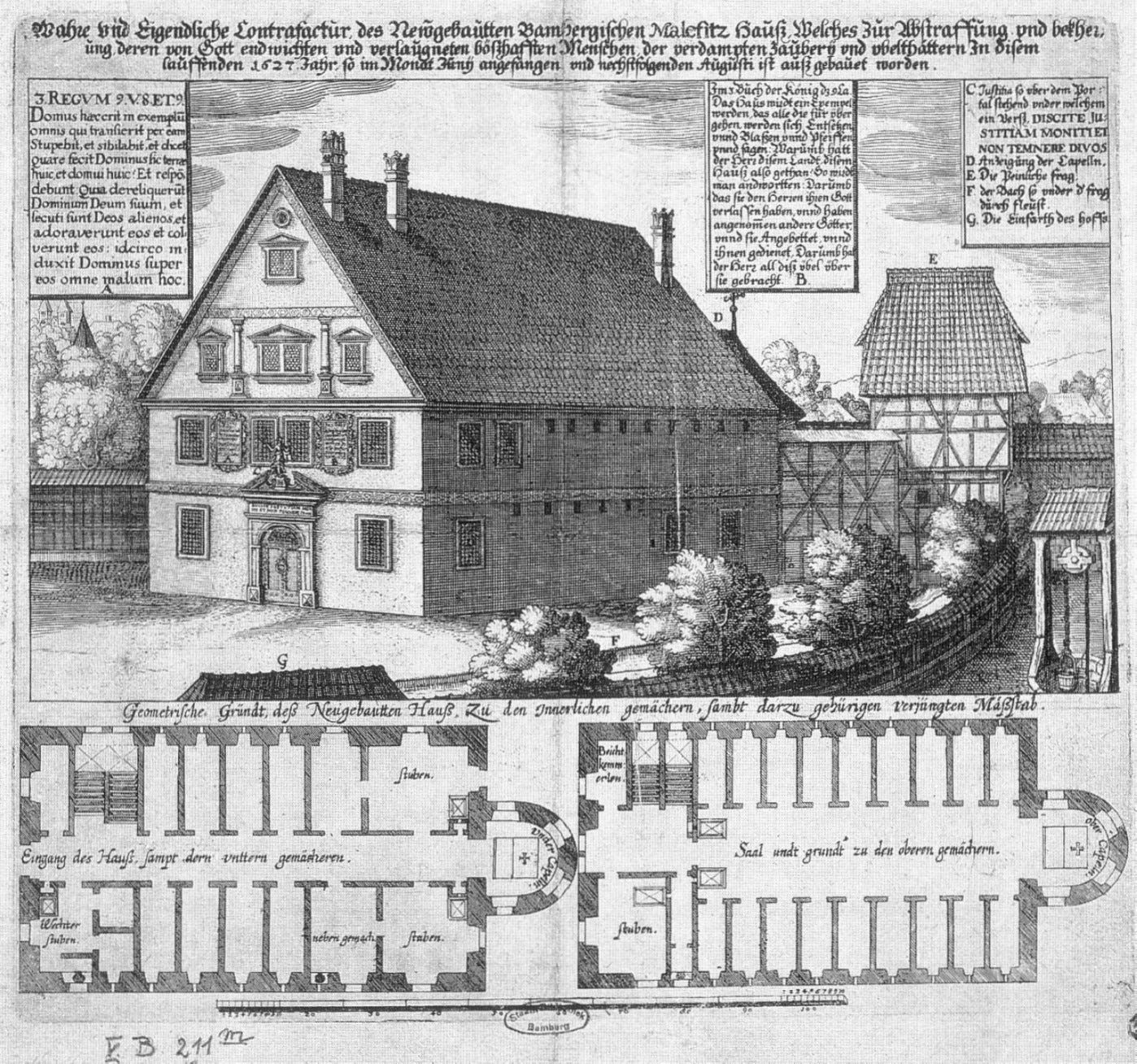
Johannes Junius, the mayor of the German city of Bamberg, wrote a letter to his daughter from prison in July 1628. His hands were so badly hurt that it took him several days, and he begged her to keep it hidden. What did he have to tell her that no one else could be allowed to read?