
Indonesia alone has more than 100 active volcanoes, and most volcanoes on Earth sit along the edges of the plates that form its crust. When one of them erupts, the blast is often only the start. Mud, scorching clouds of gas and ash, and giant waves can kill people miles from the crater. Sulfur thrown high into the sky can cool the planet and ruin harvests on other continents a year later.
Cool Stories About History is a newsletter to learn history the fun way.
Join free and get:
6 new stories a month, straight to your inbox
The full archive of stories
Comment, ask questions, and chat with other readers
How These Were Chosen
Scientists rate explosive eruptions on the Volcanic Explosivity Index, or VEI, from 0 to 8. The scale combines the volume of rock thrown out with the height of the ash column, and each step up means an eruption about ten times larger. Gentle lava flows like Hawaii's rate 0.
Size was only part of the choice. Laki, in Iceland, poured lava and gas from long cracks in the ground, and most of its victims died in the famine that followed.
The twelve run from 1600 to 1991, from the least familiar to the most famous. Vesuvius, which buried Pompeii in A.D. 79, has its own article.
12. Parícutin (1943)
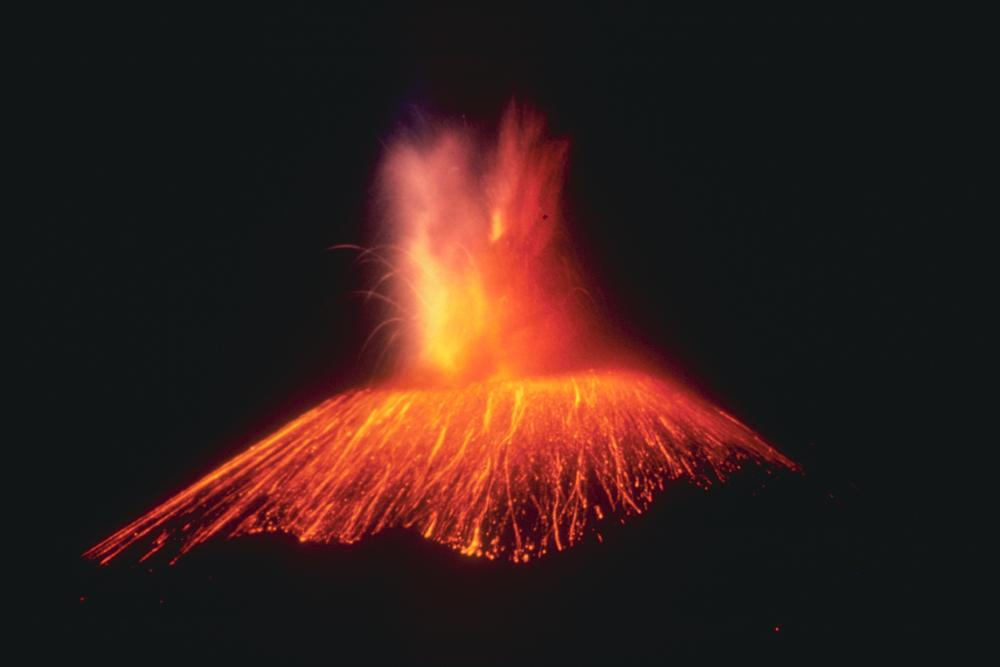
On the afternoon of February 20, 1943, a farmer named Dionisio Pulido was working his cornfield in the Mexican state of Michoacán. Around 4 p.m., by his own account, he saw a crack open in the soil. "I saw that it was a kind of fissure that had a depth of only half a meter," he said.
Then the ground swelled. The crack gave off a loud hiss and a smell of sulfur. Pulido prayed: "You brought me into this world, now save me from the dangers in which I am about to die."
He rode back to his village, where his wife, his son and his friends had already feared him dead. Behind him, the crack kept growing. Within 24 hours it had built a cone about 160 feet (50 meters) high, and within a week about 330 feet (100 meters).
The new volcano took the name of the village, Parícutin. Geologists call this kind of hill a cinder cone, because it is built by a single eruption out of the rock fragments the vent throws into the air.
Parícutin erupted almost without pause, and the village and the nearby town of San Juan Parangaricutiro were evacuated. By August 1944, lava and ash covered most of both, and the town's church is still partly buried today.
The lava itself killed no one. Grains of ash colliding inside the eruption cloud built up electric charges, and the lightning they set off killed three people.
When the eruption ended in 1952, the shallow crack in a cornfield had grown into a cone more than 1,300 feet high, one of the youngest volcanoes on Earth.
At a Glance
Who: Dionisio Pulido, a farmer working his cornfield
Date: February 20, 1943, to 1952
Place: Parícutin, in the state of Michoacán, Mexico
Toll: Three people, killed by lightning from the eruption cloud
Where to see it today: The partly buried church of San Juan Parangaricutiro
11. Huaynaputina (1600)
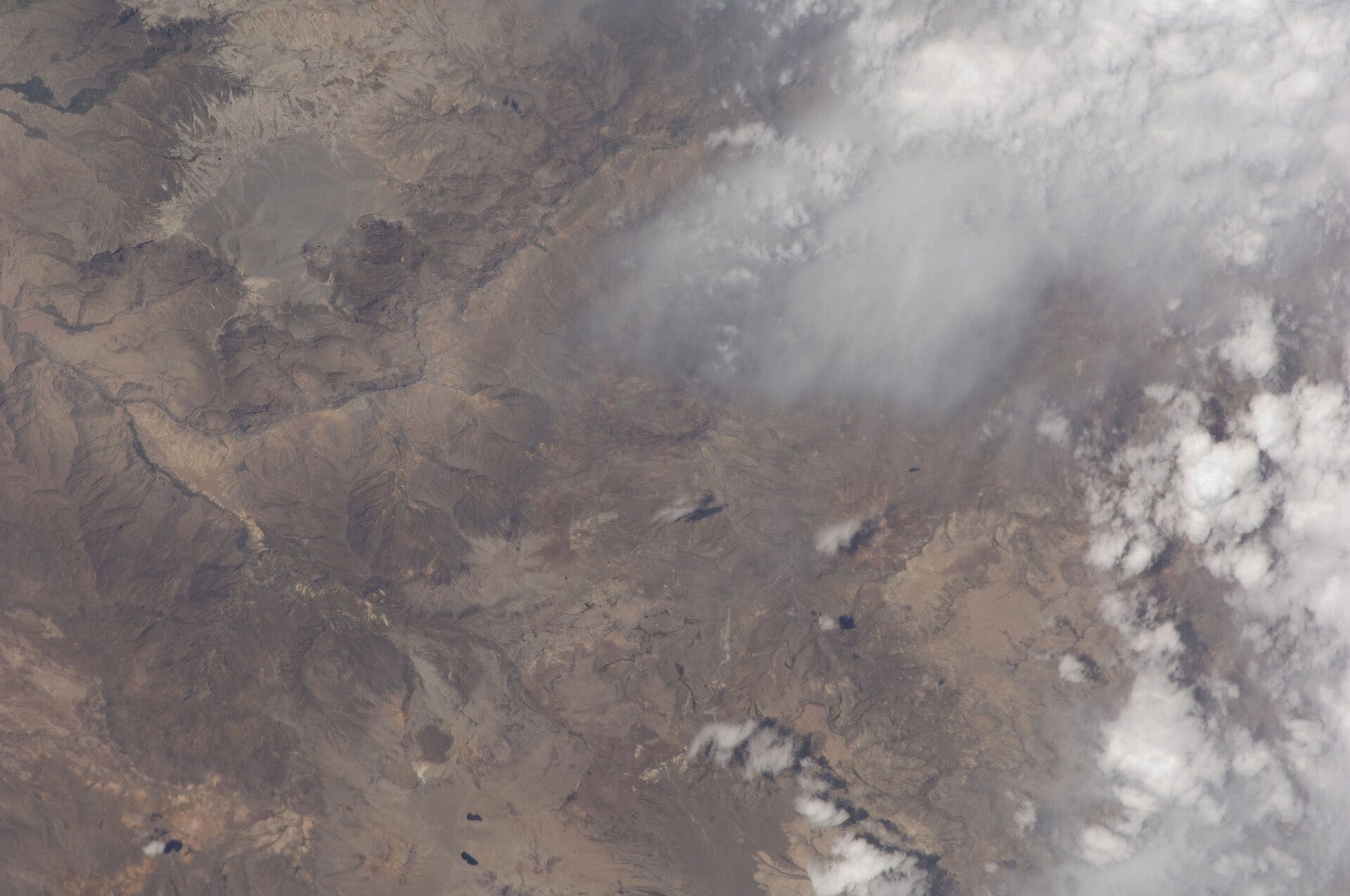
In February 1600, a volcano called Huaynaputina began to erupt in southern Peru, which Spain then ruled, and kept going for at least two weeks. Two years later, on the other side of the world, more than 100,000 people starved to death in Moscow alone. Could a mountain in Peru have caused a famine in Russia?