
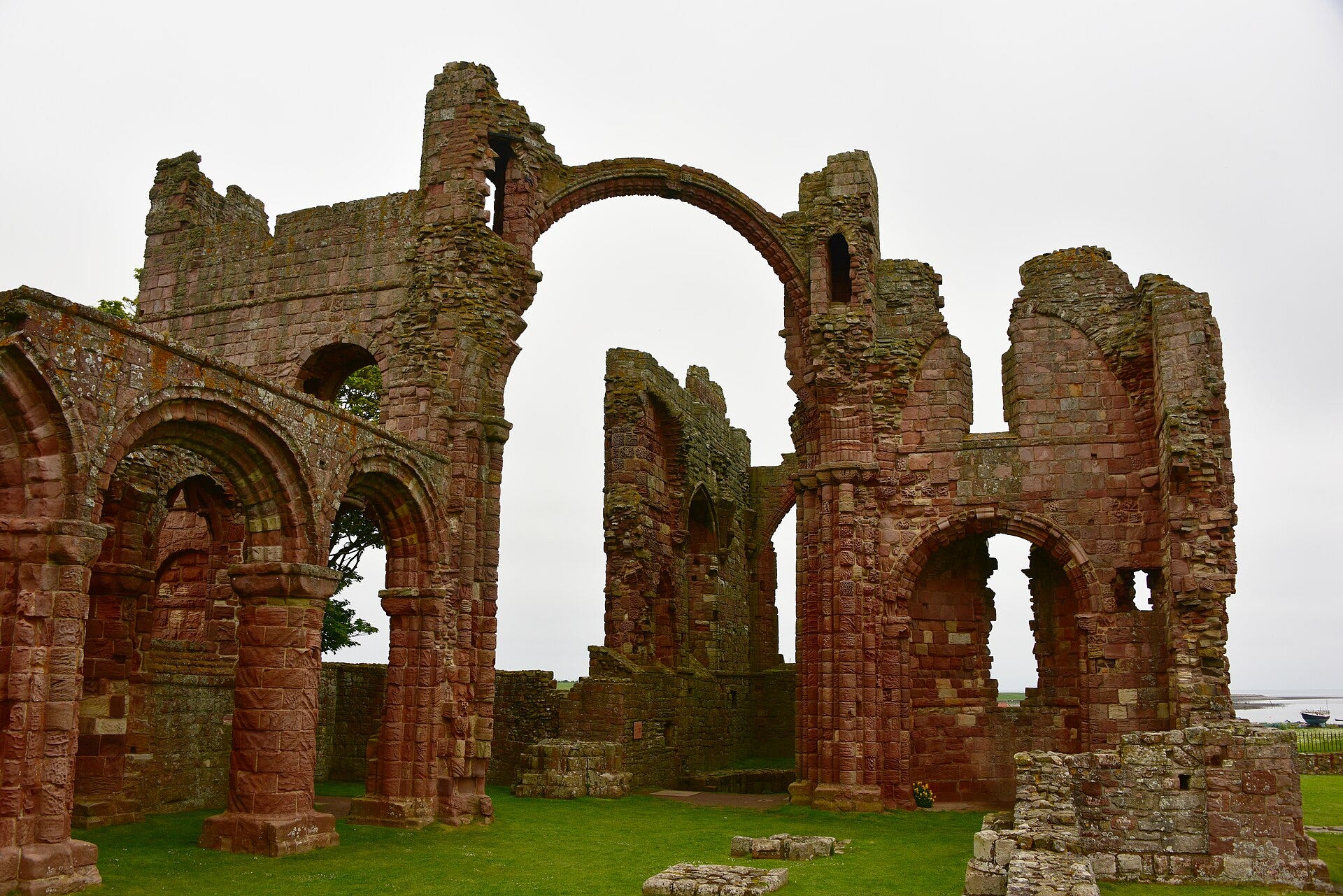
In 793, an English chronicle reported that "heathen men" had ravaged the church on Lindisfarne, an island monastery off northeast England. That raid is often taken as the start of the Viking Age, which lasted until about 1050. Much of what is told about the Vikings comes from sagas, Icelandic prose stories written down two or three centuries later. Graves and ruins back up some of those stories, and not others.
Cool Stories About History is a newsletter to learn history the fun way.
Join free and get:
6 new stories a month, straight to your inbox
The full archive of stories
Comment, ask questions, and chat with other readers
How These Were Chosen
The word Viking now covers all the Scandinavians of that age. These twelve are kings, settlers, explorers and two women, whose journeys ran from Dublin to the Caspian Sea and Canada.
Four of them, Erik the Red, Leif Erikson, Freydís and Ragnar, are known mostly from sagas. Ruins in Greenland and Newfoundland back up Erik's and Leif's stories. Freydís and Ragnar exist only in sagas and legend.
They climb from names few Americans know to the most famous. Near the top stand Leif, honored in the United States by a national day since 1964, and Ragnar and Ivar, both characters in the TV series Vikings.
12. The Warrior Woman of Birka (Tenth Century)
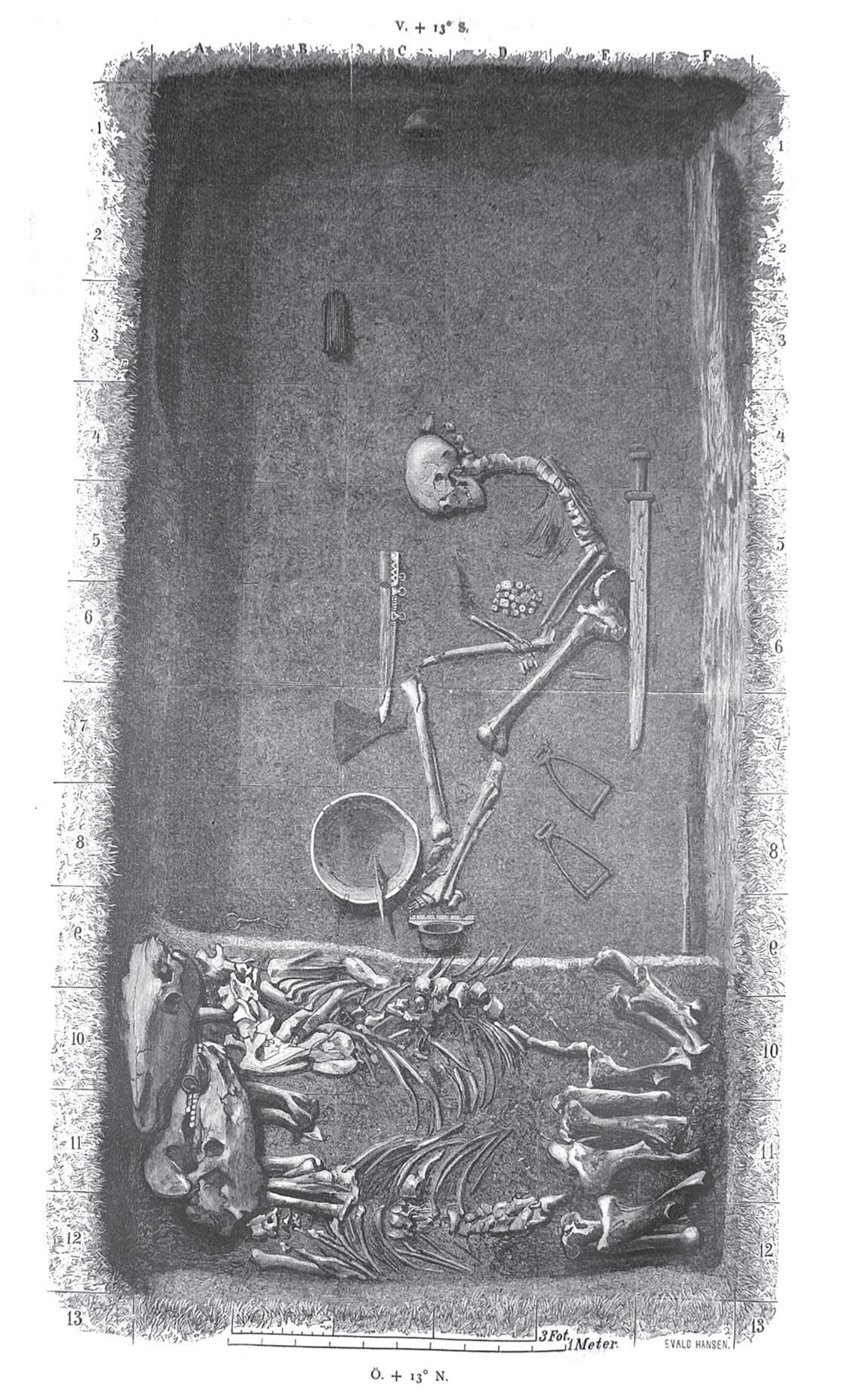
In 1878, the Swedish archaeologist Hjalmar Stolpe opened a grave beside the military garrison of Birka, a Viking Age town near today's Stockholm. It dated from the mid-900s, and it was full of weapons. Its owner would become known as the Birka warrior.
There were the remains of a sword, a battle-ax, a fighting knife, two spears, two shields and more than two dozen arrows. Two horses had been buried with the dead, along with a board game and a full set of pieces. There was no jewelry at all.
Stolpe concluded that the grave held an important male warrior. In 1889 an engraving was made from his drawings, and for decades books on the Vikings reprinted it as the very picture of a Viking fighter.
The bones told a different story. In 2014 a bone specialist began to study the skeleton again and found someone about 5 feet 7 inches tall who had died between 30 and 40. Several key features of the skeleton did not fit a man.
In 2015 a research team took DNA from a canine tooth and an arm bone. When the result came out in September 2017, it showed two X chromosomes and no Y. The Birka warrior was a woman, and chemical tests on her remains showed she had come to Birka from somewhere else.
Had women really fought as Viking warriors? Written sources mention them only occasionally, and no grave had backed them up so convincingly before. Charlotte Hedenstierna-Jonson, the archaeologist who led the study, called her "a real life military leader, that happens to have been a woman."
Critics suggested that a second, male body had been removed, or that mourners had laid the weapons only as signs of rank. No trace of a second body was ever found. In 2019 the team answered that she was a warrior and possibly a commander, and pointed to the board game as a tool for planning battles.
At a Glance
Who: A woman buried with weapons, two horses and a board game
Date: Mid-900s, excavated in 1878, DNA result published in September 2017
Place: Birka, a Viking Age town near Stockholm, Sweden
Age at death: Between 30 and 40
How she was identified: DNA from a tooth and an arm bone
About This Viking
Were there real female Viking warriors?
Written sources mention women fighters only now and then. The Birka grave, whose DNA results came out in 2017, gave the first genetic proof of a woman buried as a Viking warrior.
11. Guthrum (878)
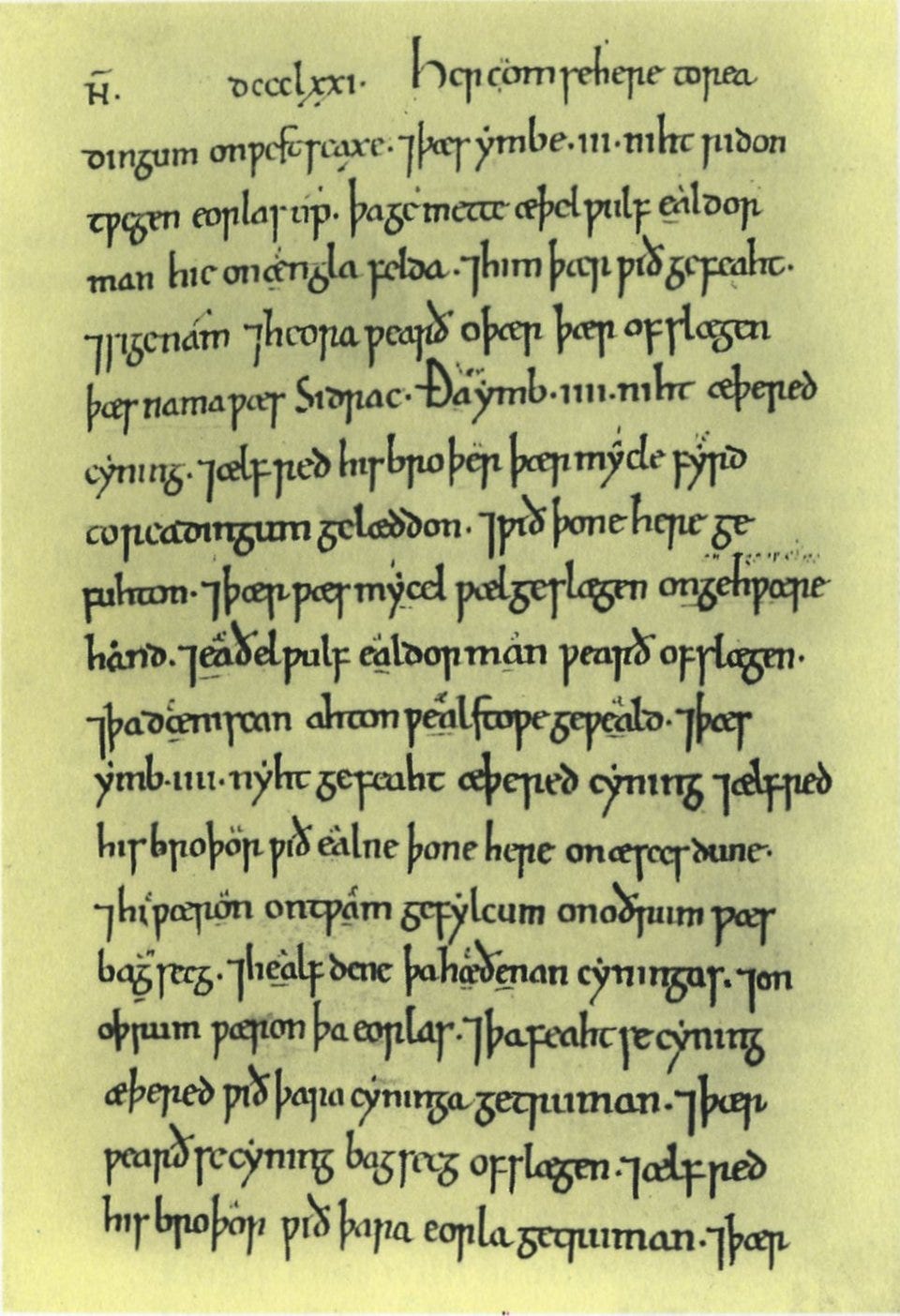
Guthrum was a Danish king who led a Viking army in England. In midwinter 878 his men stole into Chippenham, in Wessex, the kingdom of southwest England, and overran the land. Its king, Alfred, was left hiding in the marshes with a small band, and Wessex seemed lost. Before the year was out, one of these two kings would bear a new name.