
More than three thousand years ago, an Egyptian scribe copied onto papyrus the verdicts of a trial for a plot against the king, one accused after another. The papyrus still exists. So do the records of many famous trials since, and several of their verdicts did not last. One group of young men in Alabama was cleared by a law signed 82 years after their arrest.
Cool Stories About History is a newsletter to learn history the fun way.
Join free and get:
6 new stories a month, straight to your inbox
The full archive of stories
Comment, ask questions, and chat with other readers
How These Were Chosen
A trial is the hearing in which a judge, a panel of judges or a jury decides whether an accusation is proven. That decision is the verdict, and the punishment given to those found guilty is the sentence.
The twelve trials kept here run from the least known to the most famous. Each left a record that still survives, and each verdict is known. Five took place in what is now the United States, and the others in Egypt, Japan, South Africa, Israel, France, Rome and Germany.
12. The Harem Conspiracy Against Ramesses III (Ancient Egypt)
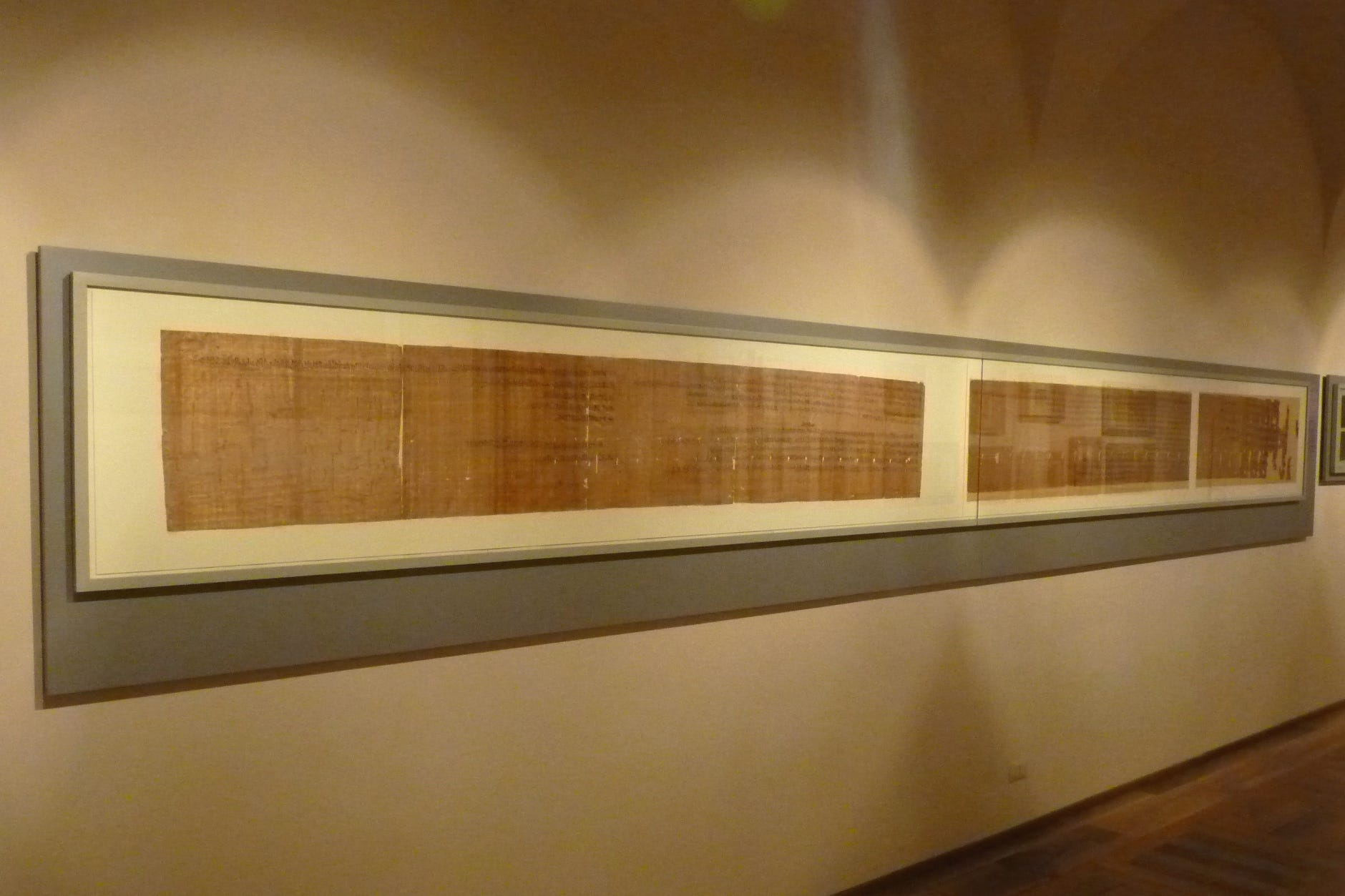
A papyrus kept in the Egyptian Museum of Turin, in Italy, records the verdicts of a trial for a plot against the pharaoh Ramesses III. One sentence returns again and again: "They found him guilty, they left him where he was and he committed suicide." Most of the accused were condemned to death and then allowed to take their own lives.
The plot began in the harem, the household where the king's secondary wives lived with their children and servants. The papyrus says it was led by a queen named Tiye, who worked with other women of the harem and with court officials. She wanted her son Pentaweret on the throne in place of the heir the king had chosen.
The conspirators tried to kill the king, but on the main point they failed. The chosen heir took the throne as Ramesses IV, and the plotters were arrested and put on trial.
For three thousand years, no one knew whether the attack on the old king had worked, because the papyrus never says that he died. In December 2012, a team of Egyptian, German and Italian scientists published CT scans of his mummy. They showed a deep cut across the throat, probably made by a sharp knife.
The plotters had reached the king after all, even though their candidate never ruled. When the embalmers prepared the body, they placed an amulet shaped like the eye of the god Horus inside the wound to heal it. Then they wrapped the neck in thick layers of linen.
The same team examined a second mummy, known only as Unknown Man E. He had been embalmed in an unusual way, and the skin of his neck was pressed into folds. His Y chromosome, passed from father to son, matches that of Ramesses III, and the study named him a possible candidate for Pentaweret, the son who never became king.
At a Glance
Who: Queen Tiye, her son Pentaweret, women of the harem and court officials
Date: Under Ramesses III and Ramesses IV, more than 3,000 years ago
Place: Ancient Egypt, with the record now in Turin, Italy
Charge: Plotting to kill the king and put Pentaweret on the throne
Verdict: Guilty, with most of the accused allowed to take their own lives
11. John Peter Zenger (1735)
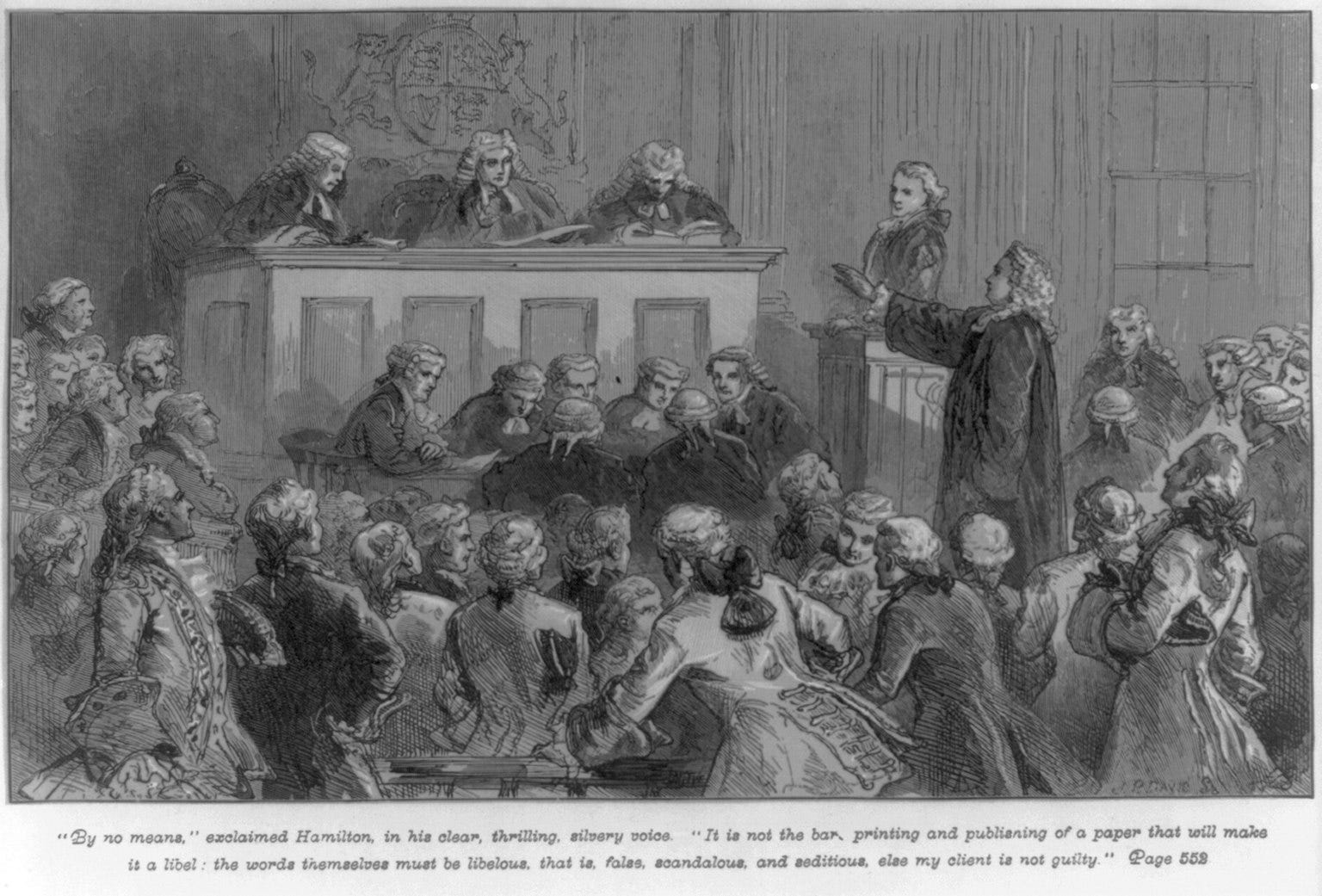
John Peter Zenger, a German immigrant who printed a New York newspaper, came to trial in August 1735 after a full year in jail. The court had already removed the two lawyers who tried to defend him. Now the chief justice was about to tell the jury that the truth of what Zenger had printed did not matter.