
The U.S. Constitution defines treason in a single sentence: making war on the United States, or helping its enemies. The bar is so high that the seventh treason conviction in U.S. history came only in 1949, 160 years after the Constitution took effect. Many of history's most famous traitors never stood trial at all. Their names outlived them, and a few became everyday words for betrayal.
Cool Stories About History is a newsletter to learn history the fun way.
Join free and get:
6 new stories a month, straight to your inbox
The full archive of stories
Comment, ask questions, and chat with other readers
How These Were Chosen
Treason is the crime of betraying one's own country or ruler. A turncoat is someone who switches to the opposing side.
Each of the twelve went over to an enemy or was convicted of helping one. Their stories span more than two thousand years, from the Persian invasion of Greece in 480 BC to a Cold War spy's escape to Moscow in 1963.
They run from names few Americans have heard to the most famous traitor in American history.
12. Charles III, Duke of Bourbon (1523 to 1527)
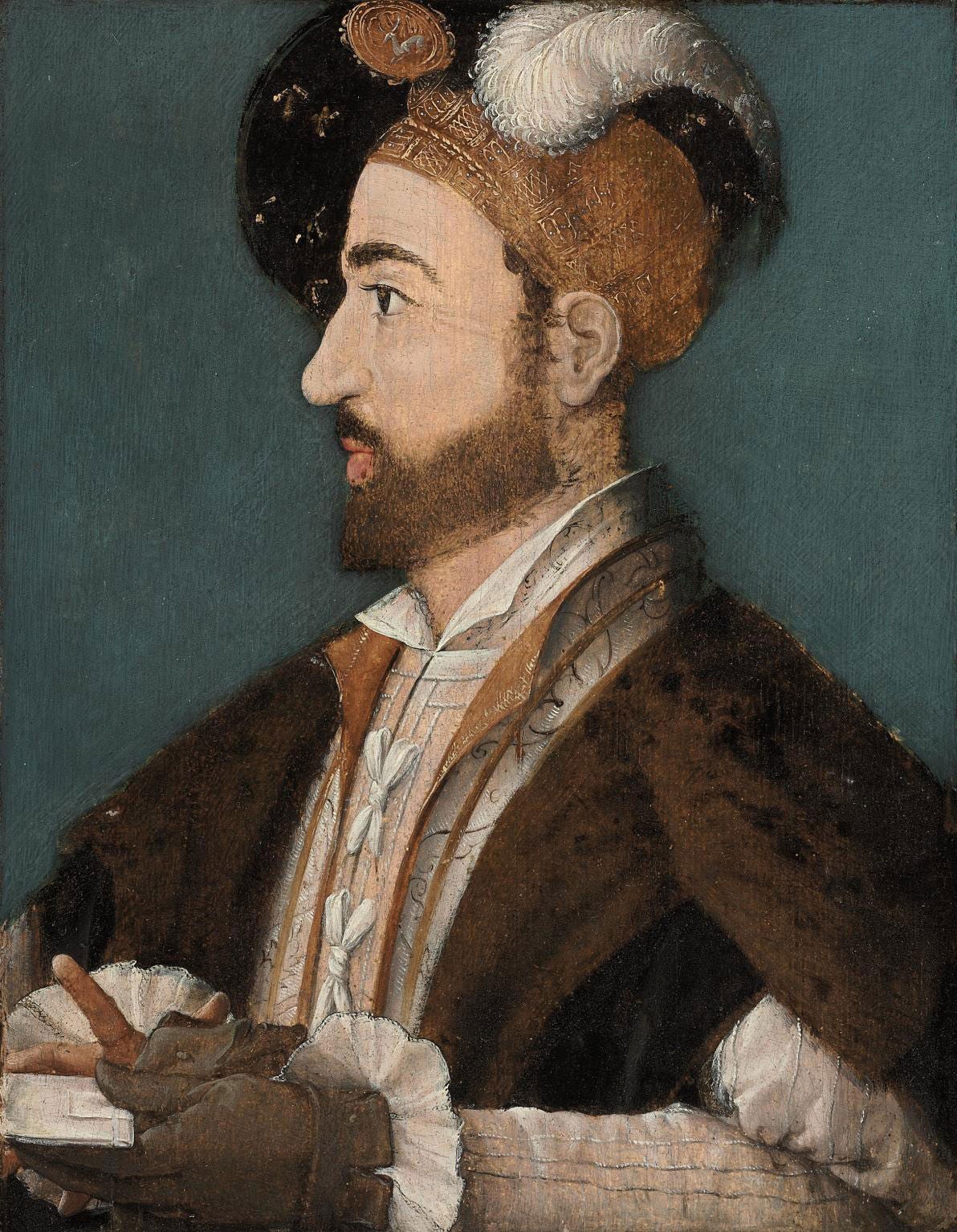
On February 24, 1525, the army of the emperor Charles V beat the French at Pavia in northern Italy and took King Francis I prisoner. In the emperor's ranks fought a French prince, Charles III, Duke of Bourbon, who had commanded the king's own armies until 1523.
Bourbon owed that command to Francis himself. In 1515 the new king named him constable of France, the commander of the royal armies. That same year Bourbon did much to win the victory of Marignano, which made the young king master of Milan.
Much of his fortune came through his marriage. His wife, Suzanne, was heir to the Bourbon lands, and when she died without surviving children she left them to him.
Then the king turned against him, for reasons that are still debated. Francis had never paid his salary as constable, and now he sued in the Parlement of Paris, the kingdom's high court, to take back Suzanne's inheritance. The judges gave no verdict, but they ordered the lands seized.
Bourbon answered with treason. In 1523 he negotiated in secret with Charles V and King Henry VIII of England, who were discussing how to carve up France between them. Bourbon was to add two French provinces to his own lands.
Later that year he fled in disguise and entered the emperor's service at the head of an army of German mercenaries, known as lansquenets. That is how, at Pavia in 1525, the former commander of the French armies came to fight against his own king.
Victory did not pay his soldiers, and by the spring of 1527 Bourbon had no money left for them. He marched his army toward Rome, and on May 6 he was killed in the first assault on the city. His soldiers, leaderless and still unpaid, broke in and sacked Rome.
At a Glance
Who: Charles III, Duke of Bourbon, constable of France
Betrayed: King Francis I of France
When: 1523 to 1527
Motive: An unpaid salary and a royal lawsuit over his wife's inheritance
Fate: Killed in the first assault on Rome on May 6, 1527, just before his army sacked the city
11. Mir Jafar at Plassey (1757)
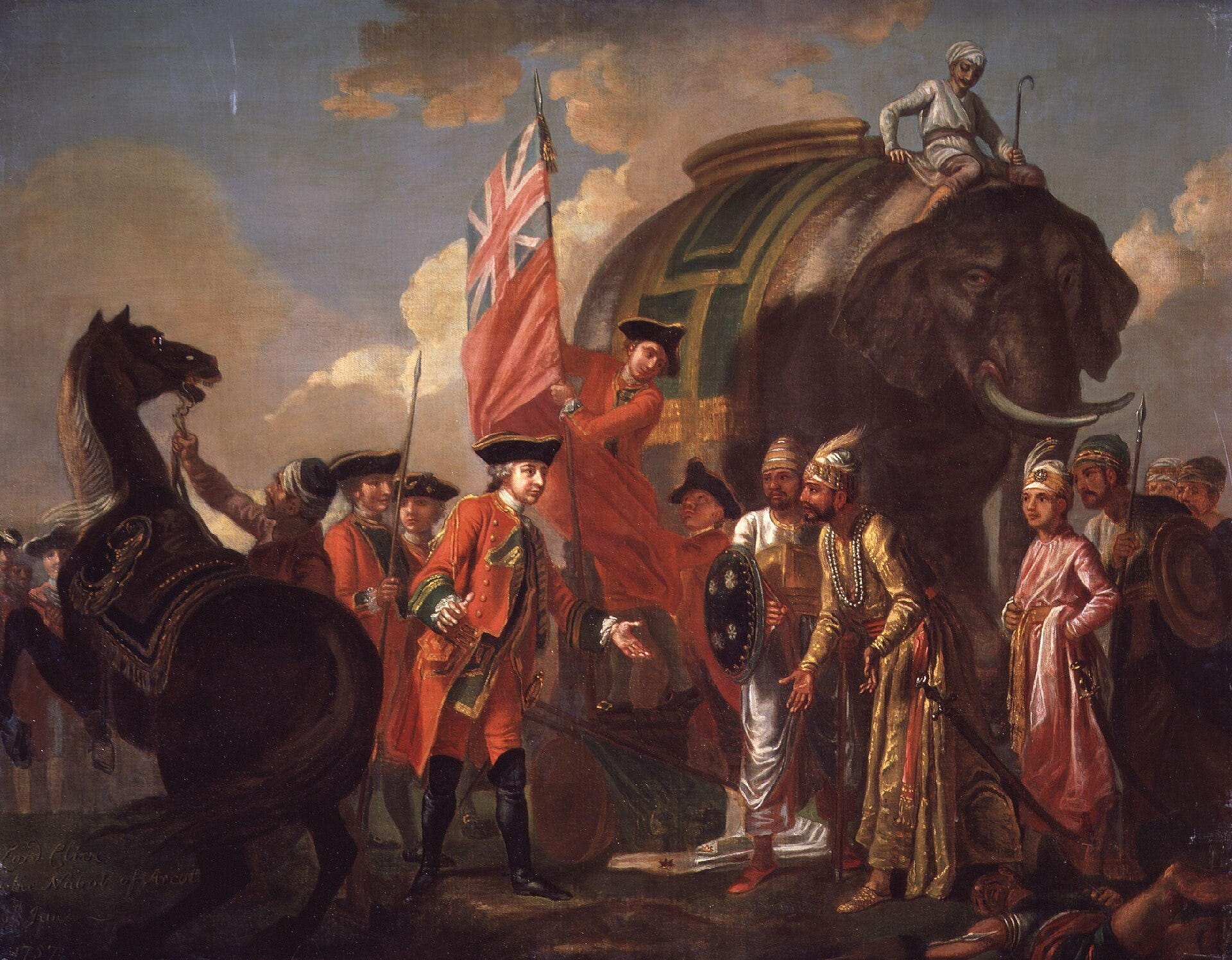
On June 23, 1757, an elderly general named Mir Jafar held about a third of his ruler's army on one flank of the battlefield at Plassey, in eastern India. His ruler, the nawab of Bengal, begged him to attack a British force of about 3,000 men. Mir Jafar did not move. Why would a general stand still while his own master's battle was being decided?