
Around Thunder Bay, on the Michigan shore of Lake Huron, nearly 200 ships are known to have gone down. Almost none of them is famous. The wrecks people still talk about are the ones where someone found out why the ship was lost, or where people have argued about it ever since.
Cool Stories About History is a newsletter to learn history the fun way.
Join free and get:
6 new stories a month, straight to your inbox
The full archive of stories
Comment, ask questions, and chat with other readers
How These Were Chosen
A shipwreck here means any ship lost on the water, at sea, on a river or on a lake. Some went down after a collision, a storm, a gust of wind or an explosion, and others hit a rock, struck an iceberg or were crushed by ice.
Each of these twelve was lost for a reason that a survivor, a witness or an official inquiry put on record, even when that reason is still disputed. The toll runs from no deaths at all to about 9,000, and the order climbs from wrecks most Americans have never heard of to the most famous one.
12. The White Ship (1120)
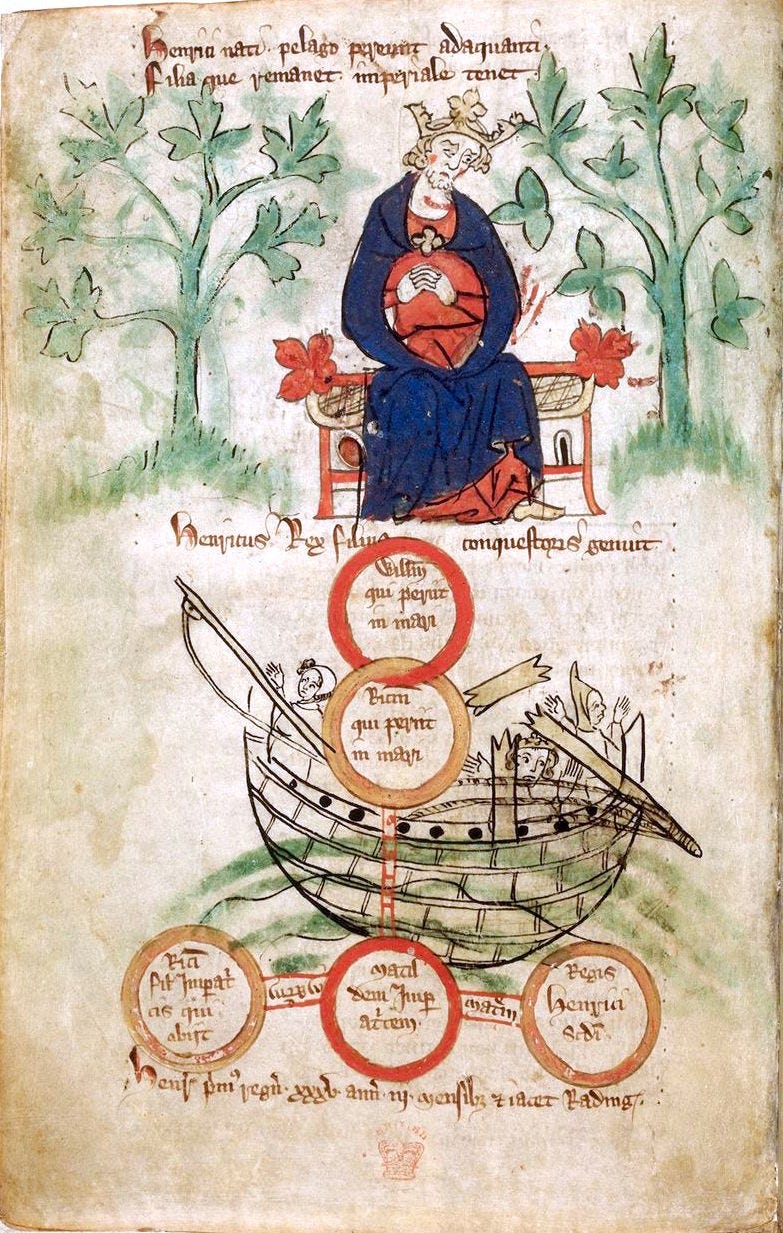
On the night of November 25, 1120, a vessel called the White Ship lay in the harbor of Barfleur, on the coast of Normandy in northern France. King Henry I of England also ruled Normandy, and his court was crossing home to England. About 300 people boarded, many of them young nobles, and sailors and passengers alike had been drinking heavily.
Among them was the 17-year-old William Adelin, the king's only legitimate son and the heir to his throne. Two of Henry's children born outside his marriage had come aboard too.
The king's nephew Stephen of Blois was due to sail as well. When he saw how drunk the company was, he stayed ashore.
King Henry had already left on his own ship. The sailors bragged that they would overtake him anyway, so they launched after dark and rowed hard. Just outside the harbor, the White Ship struck a rock and began to sink at once.
William was put into a small boat and could have escaped. Then he heard the cries of his half-sister, the countess of Perche, still on the sinking ship, and he ordered the oarsmen to turn back for her. The boat was swamped, and he drowned.
Only one man came out of the water alive, a butcher from Rouen named Berold. At court no one dared tell the king, until a boy finally did. Around 1126, the chronicler William of Malmesbury wrote that "no ship ever brought England so much misery."
With no legitimate son left, Henry named his daughter Matilda as his heir. When he died in 1135, the nephew who had refused to board seized the throne, and Matilda fought him in a civil war later called the Anarchy. It ended in 1153, when Stephen agreed that Matilda's son, the future Henry II, would be king after him.
At a Glance
Ship: The White Ship, carrying the young nobles of the court of Henry I
Date: November 25, 1120
Where: Just outside the harbor of Barfleur, Normandy
Cause: A drunken crew, racing to overtake the king's ship after dark, struck a rock
Toll: About 300 dead, with one survivor, Berold, a butcher from Rouen
About This Shipwreck
How many shipwrecks are there?
No one has an exact count. One global database of wrecks lists more than 250,000, dating from about 2200 BC to the present.
11. The Empress of Ireland (1914)
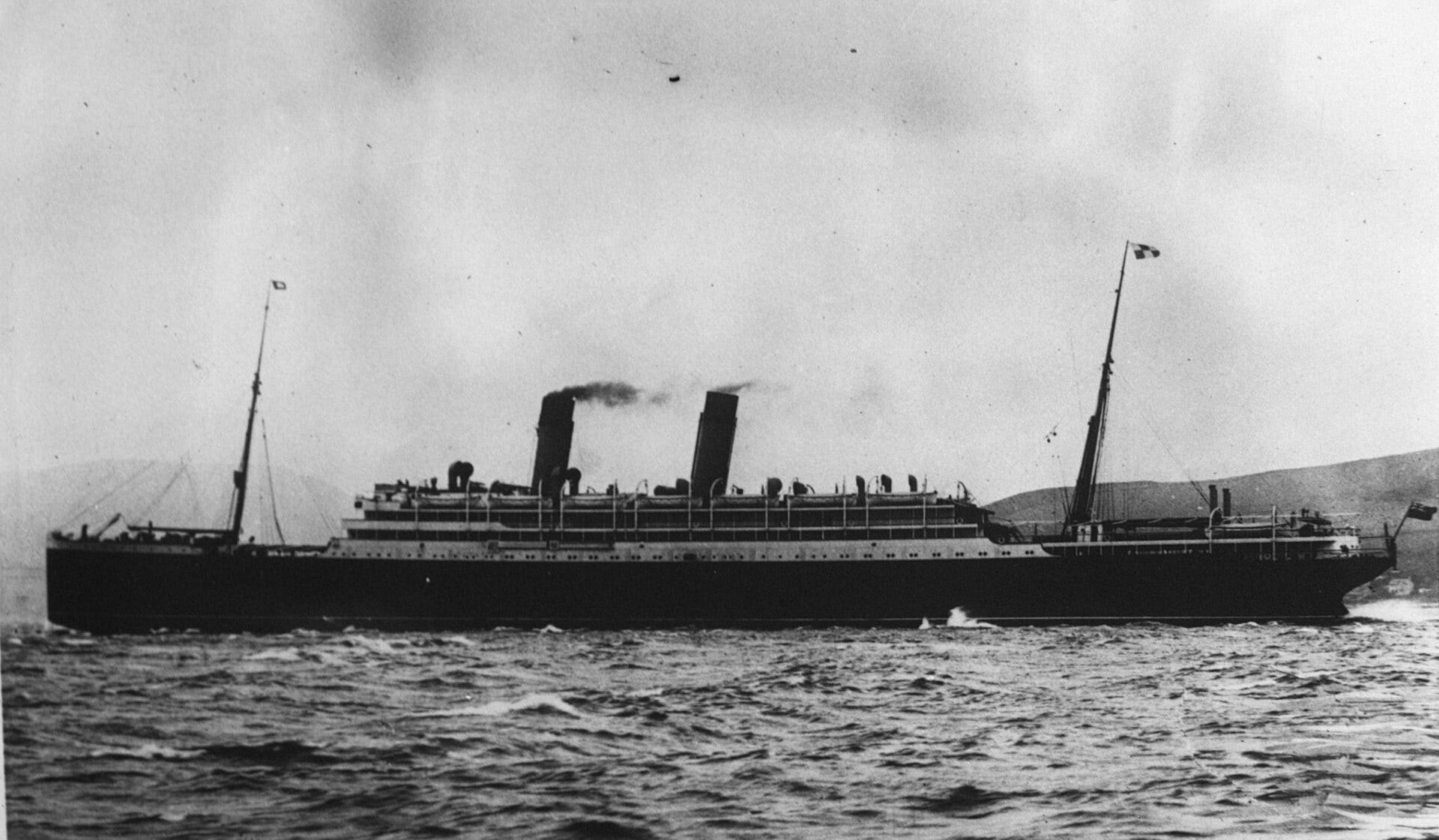
Around 2 a.m. on May 29, 1914, a Canadian Pacific Railway liner called the Empress of Ireland was steaming down the St. Lawrence River on its way to Liverpool, with 1,477 people aboard. It was only a few miles off the Quebec shore when a bank of thick fog closed over the water. Somewhere in that fog was another ship, and neither crew could see the other.