
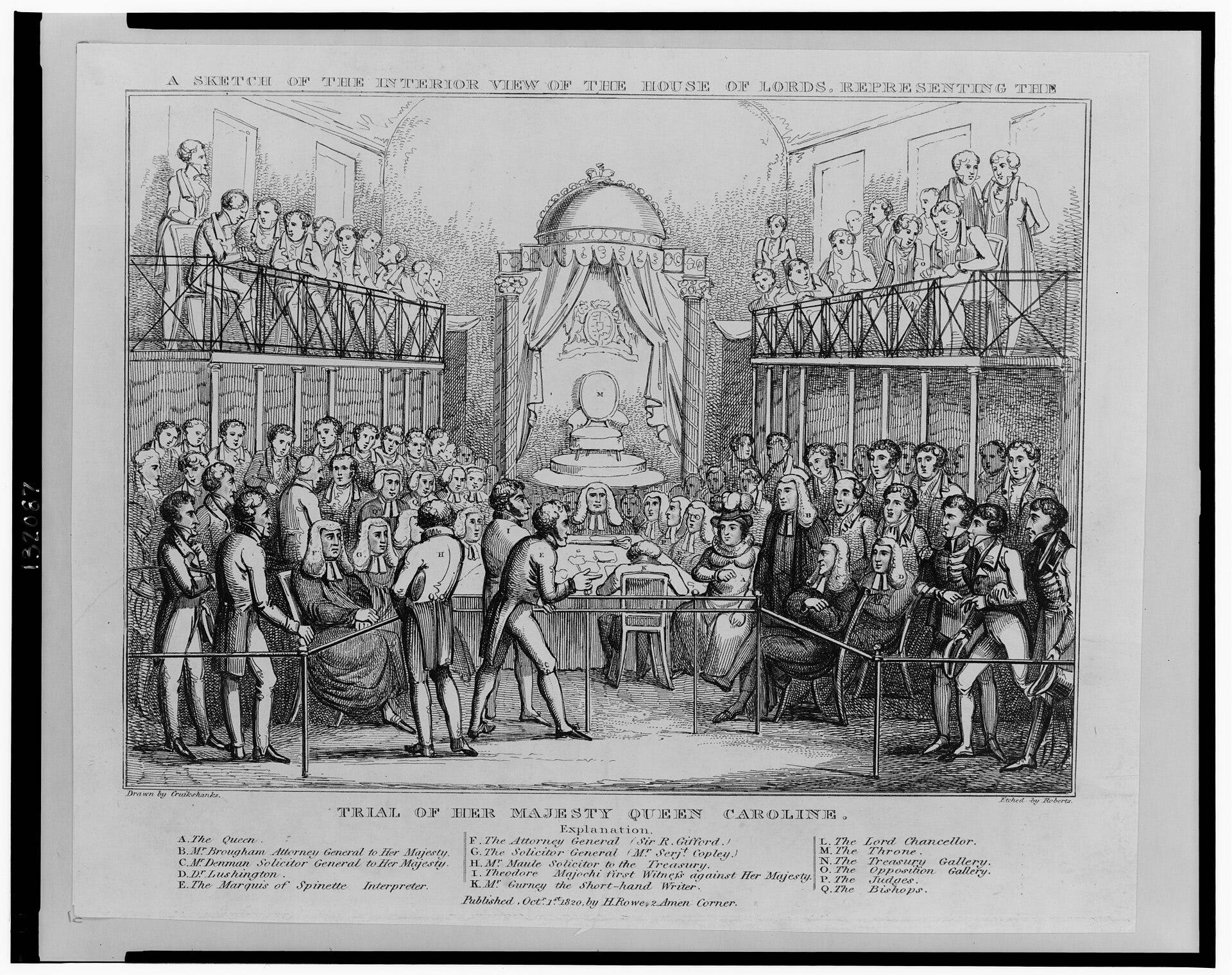
In 1820, Londoners could buy a souvenir handkerchief celebrating the return of a queen whom her husband, the king, was trying to divorce. Royal scandals sold because they were never only private. At a court, a love affair or a doubtful heir could decide who wore the crown next. The price often fell on a lover, a servant or a wife, while the ruler kept his crown.
Cool Stories About History is a newsletter to learn history the fun way.
Join free and get:
6 new stories a month, straight to your inbox
The full archive of stories
Comment, ask questions, and chat with other readers
How These Were Chosen
Each case shook a royal court. It drew in a ruler or the people around one: wives and heirs, lovers and favorites, and even a swindler who borrowed a queen's name.
In every one, somebody lost a life, freedom, rank, a throne or a reputation, and often it was not the ruler. The cases come from Japan, Korea, Brazil and Europe, from ancient Rome to 1936, and none involves a living person.
The order runs from the least familiar story to the most famous one.
12. Dōkyō, the Monk Who Nearly Became Emperor (769)
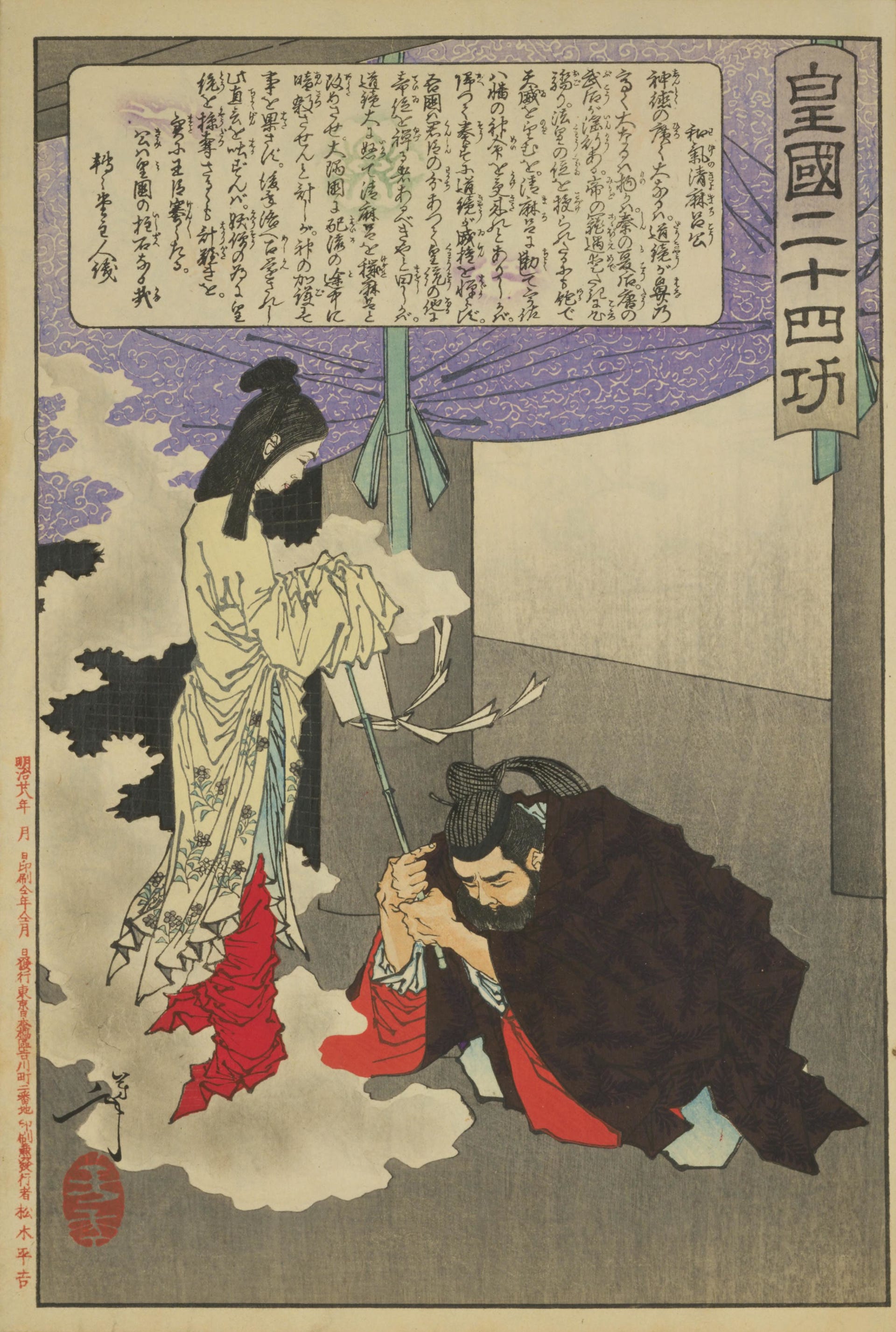
In 769, the court of Japan asked a god whether a Buddhist monk named Dōkyō should become emperor. Dōkyō owed his rise to one woman, Empress Shōtoku, whom he had healed of a serious illness around 762, after she had stepped down from the throne. When she took the throne back, she gave him the highest posts at court.
In 765, she made him chancellor-monk, which put a monk at the head of her government. In 766, she gave him the title of Hōō, or "Dharma King," a king of the Buddhist law.
The matter began with an oracle, a message said to come from the god of the Usa Hachiman shrine, on the island of Kyushu. An official there reported the god's words: putting Dōkyō on the throne would bring peace to the realm. The empress hesitated and sent an officer of her guards, Wake no Kiyomaro, to hear the god himself, while Dōkyō tried threats and promises to win him over.
Kiyomaro brought back the opposite message. "The imperial succession must always go to an heir of the imperial line," the god had said. "The unrighteous should be swept away at once."
The officer was the first to pay. He was stripped of his rank, given a new name meaning something like "filthy," and exiled to Ōsumi, at the far southern tip of Kyushu.
Then the empress died in August 770, and the monk lost his only protector. Dōkyō was sent to run a temple in a province far from the capital, and he died there in 772.
The next emperor, Kōnin, recalled Kiyomaro in 770 and gave him back his rank. The officer once renamed "filthy" later helped build Heian-kyō, the new capital now called Kyoto, and was promoted for that work in 796.
At a Glance
Who: The monk Dōkyō, Empress Shōtoku and the officer Wake no Kiyomaro
Date: 769 to 772
Place: Nara, Japan, and the Usa Hachiman shrine in Kyushu
Scandal: An oracle saying the empress's favorite monk should become emperor
Outcome: Kiyomaro renamed and exiled, then Dōkyō banished until his death in 772
11. Sophia Dorothea and Count Königsmarck (1694)
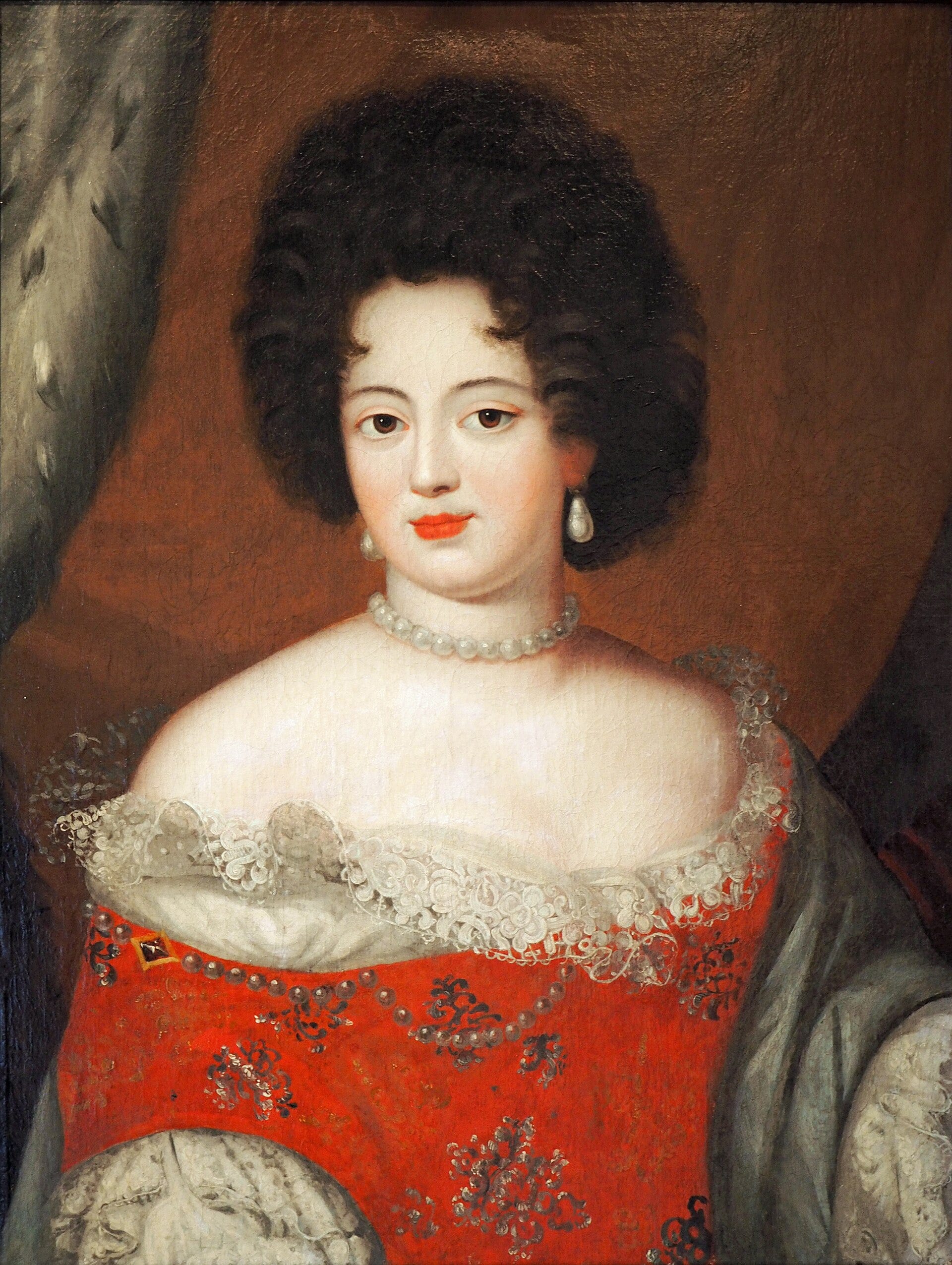
On a night in early July 1694, a Swedish count slipped into the Leine Palace in Hanover, in northern Germany, to see Sophia Dorothea of Celle. She was married to George Louis, the heir of Hanover and the future King George I of Great Britain, and she and the count were about to run away together. Nobody ever saw the count again. What happened to him inside the palace, and what would it cost her?