
Britain's Riot Act of 1715 drew a legal line. When twelve or more people gathered in a tumult and a magistrate read them a proclamation, they had one hour to leave or face the death penalty. Crowds had rioted for centuries before that law, often over something as small as a rumor. Some of those riots brought down a government or ended a system of colonial rule.
Cool Stories About History is a newsletter to learn history the fun way.
Join free and get:
6 new stories a month, straight to your inbox
The full archive of stories
Comment, ask questions, and chat with other readers
How These Were Chosen
The Riot Act's definition is narrow. Here a riot is any crowd that turns to violence, whether the crowd attacks others, as in Tulsa, or fights back against the police, as at Stonewall.
The twelve took place between AD 59 and 1969 on four continents. Each began in one city, town or village with a spark the records name, and they run from the least familiar to the most famous.
Revolutions and battles between armies were left out. The Nika riot stays because it began when the racing factions of Constantinople freed prisoners, and it was crushed within nine days.
12. The St Scholastica Day Riot (1355)
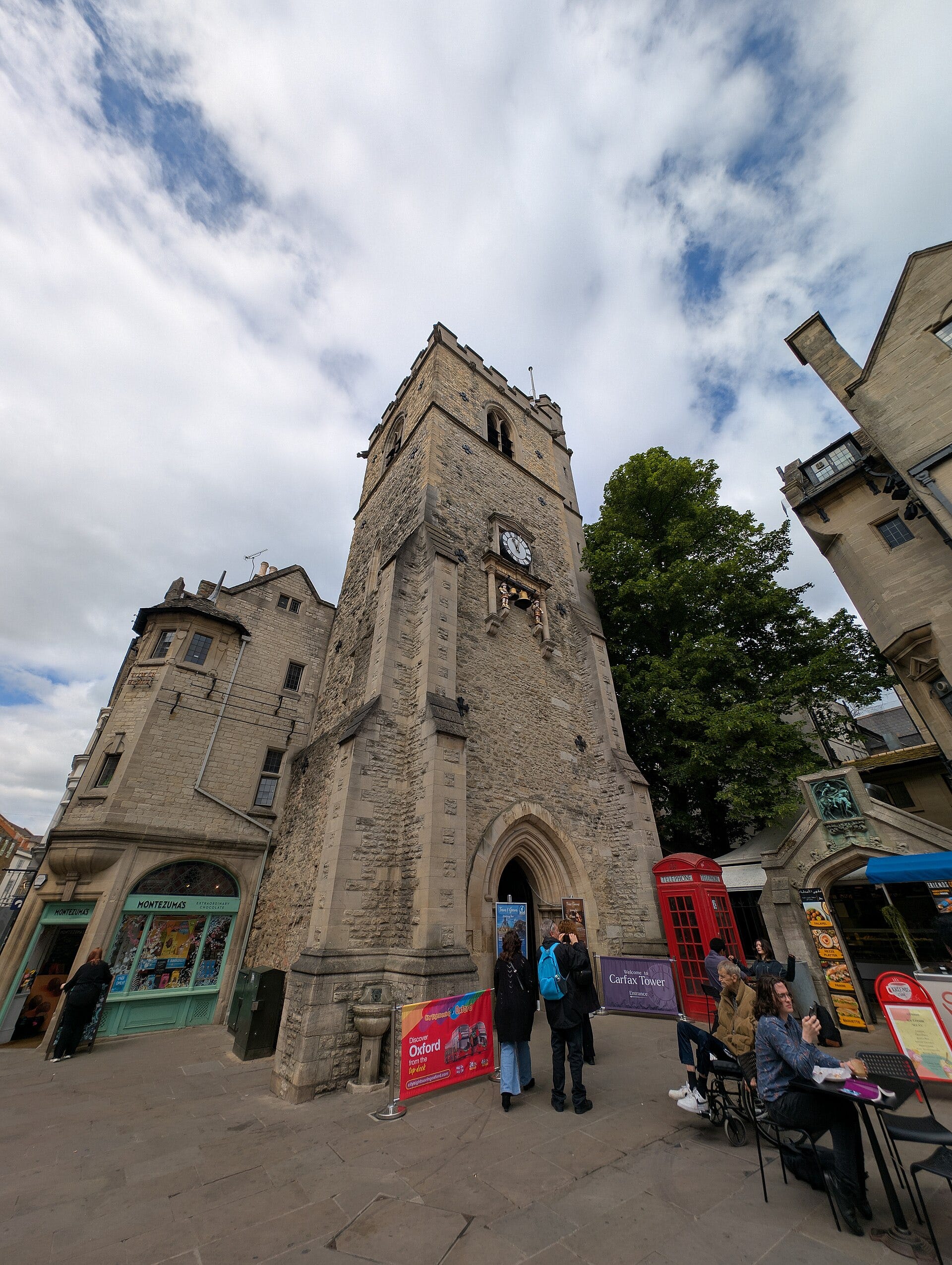
On February 10, 1355, a group of students drinking at the Swindlestock tavern, on the Carfax crossroads at the center of Oxford, decided the wine was bad. They threw it in the landlord's face and beat him with the empty pot. The fighting that followed is remembered as the St Scholastica Day riot, after the saint whose feast fell that day.
A tavern brawl could grow into a battle because Oxford's town and university had been at odds for generations. The university kept trying to win powers over the town, and the townspeople resented it. The English still call this rivalry town and gown, after the long robes worn by students and teachers.
The complaint about the wine became the excuse for a pitched battle between armed bands of townspeople and students. The fighting in the streets went on for days.
How many died is still disputed. University tradition later counted 63 of its own members killed. The oldest court record accuses the town of killing 6 clerks, as students in holy orders were called, and seriously injuring 21.
No account survives of the town's own losses. The students had started the fight, but the university won the peace. In 1355 the university was granted or confirmed most of the powers over the town that it had sought for a century and a half.
The town also paid in public. Every year on February 10, the mayor had to walk barefoot to St Mary's, the University Church on the High Street, and pay a fine.
At a Glance
Who: Oxford students against the townspeople
Date: February 10, 1355, the feast of St Scholastica
Place: Carfax, the crossroads at the center of Oxford
Spark: Students threw wine in a landlord's face
Outcome: New powers for the university and a yearly penance for the mayor
11. The Women's War (1929)
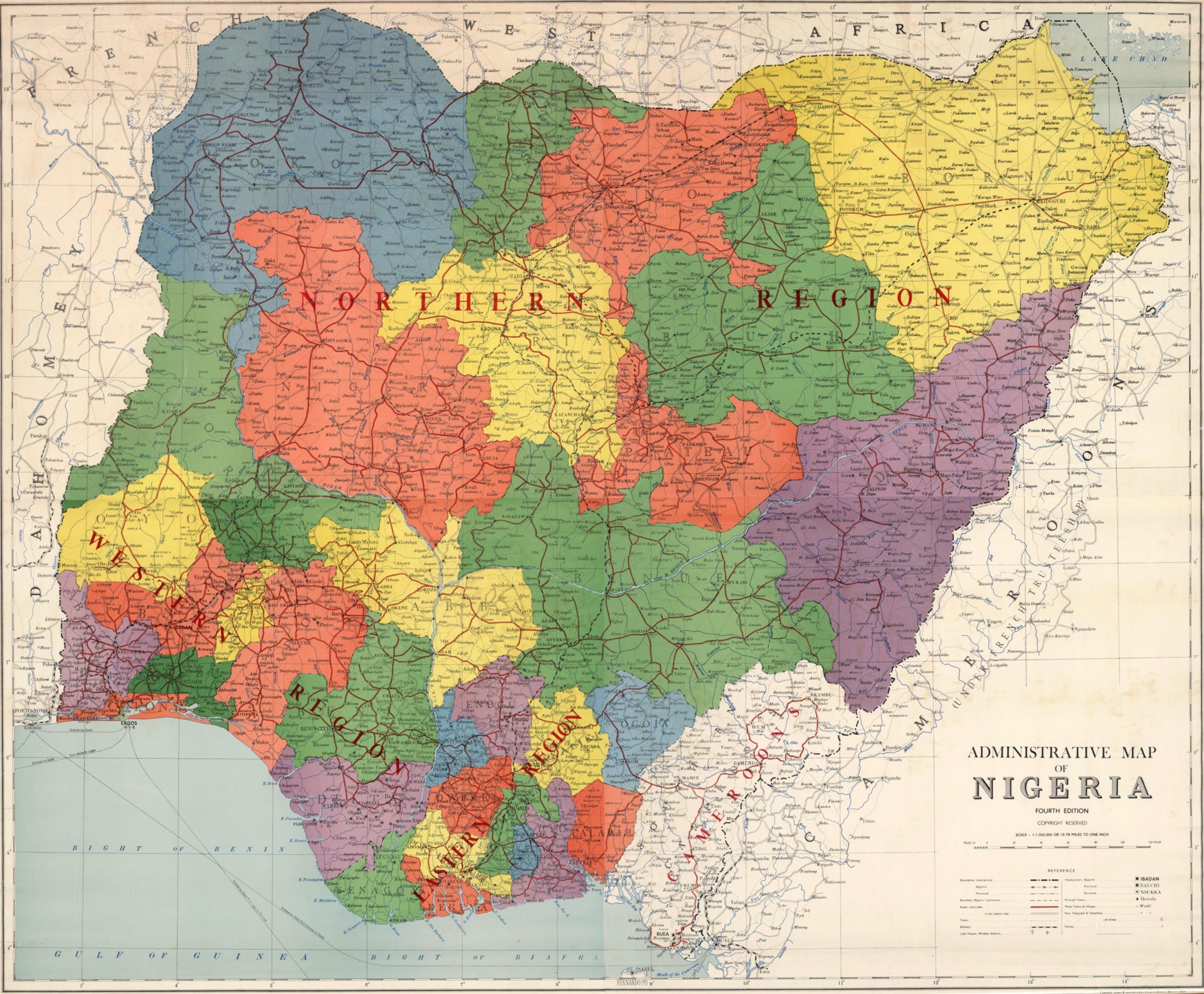
The Women's War began in November 1929 in Oloko, a village of the Igbo people in southeastern Nigeria, then ruled by Britain. A man walked into the family compound where a woman named Nwanyeruwa was preparing palm oil, and he began asking questions for a census. Within minutes the two were at each other's throats, and she ran to a meeting of women to tell them, "It has begun."