
When fire tore through Notre-Dame Cathedral in Paris in April 2019, rescuers carried out a crown that Catholics venerate as Jesus's crown of thorns. Objects like it, from a saint's bones to a single hair, have drawn pilgrims and thieves for centuries. Buddhists and Muslims keep relics too, and admirers have saved pieces of famous men. Relics have been stolen, sold and hidden, and lately tested in laboratories.

Cool Stories About History is a newsletter to learn history the fun way.
Join free and get:
6 new stories a month, straight to your inbox
The full archive of stories
Comment, ask questions, and chat with other readers
How These Were Chosen
A relic here means a piece of the body of a revered or famous person, or an object venerated because it touched or lay with one. Nine of the twelve are sacred to Christians, Buddhists or Muslims, and three are parts of famous men of politics and science.
Each was stolen, moved or tested at a moment that can be dated, between the fourth century and 2025. They run from a saint smuggled out of Egypt under pork to a cloth most Americans have heard of.
12. The Body of Saint Mark (828)
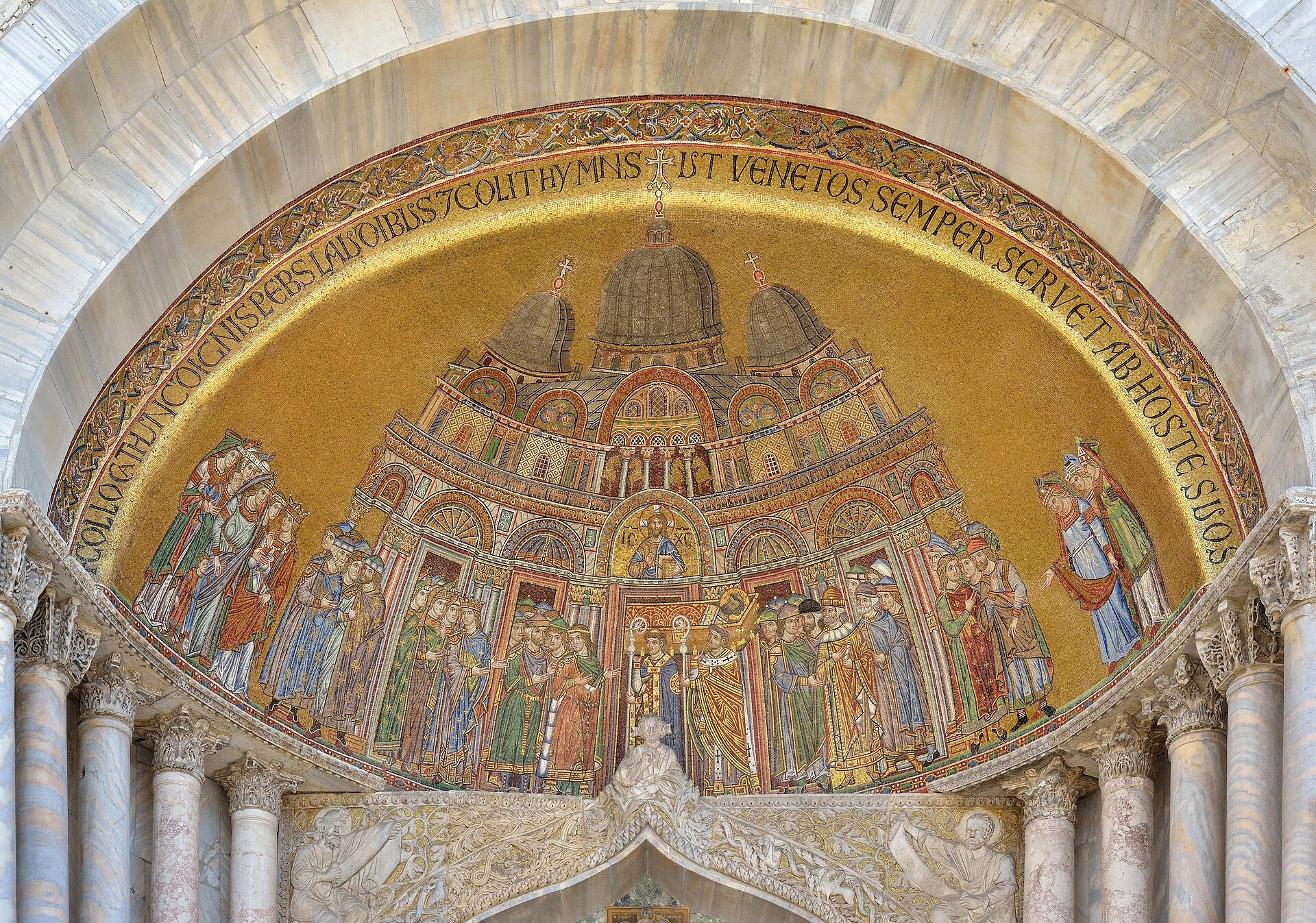
Two merchants from Venice had a corpse to get past the customs inspectors of Alexandria, in Egypt, in 828. It was the body of Saint Mark, the author of one of the four Gospels, and they meant to carry it home.
Mark had been buried in Alexandria, and the merchants found his tomb under threat from the city's Muslim governor. They decided to take the saint away, and they left the body of a less celebrated saint, Claudia, in his place.
Then they laid Mark's remains in a basket and covered them with pork, which Muslims do not eat. When the inspectors came near, the merchants shouted "khinzir," the Arabic word for pig, and the inspectors kept their distance.
The saint reached Venice and was carried in great ceremony to the palace of the doge, the elected ruler of the city. The body stayed there until Venice had built a church for it, within a few years.
That first church burned in 976, during a revolt against a later doge. Venice began the present basilica of San Marco in 1063 and consecrated it in 1094.
Egypt waited more than eleven centuries to get part of its saint back. In 1968 the Vatican returned some of Mark's relics to the church of Alexandria. Pope Paul VI said their welcome in Cairo showed "a common historic and religious patrimony."
At a Glance
Who: Saint Mark, author of one of the four Gospels
Taken: 828, by two merchants from Venice
From: His tomb in Alexandria, Egypt
Hidden under: Pork, to keep customs inspectors away
Returned in part: 1968, some relics sent back to Egypt by the Vatican
11. Oliver Cromwell's Head (1661 to 1960)
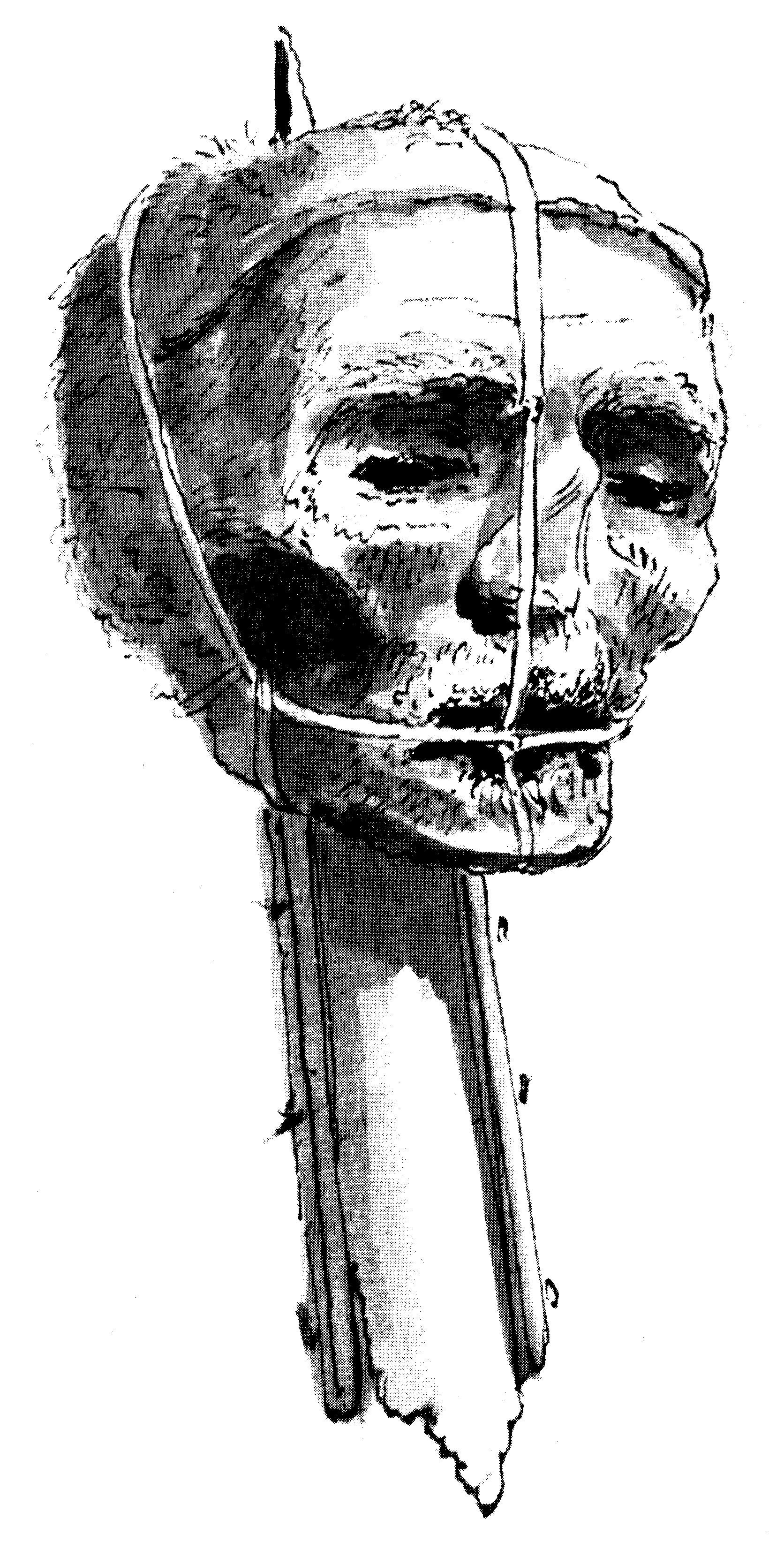
Oliver Cromwell led England as a republic after King Charles I was beheaded in 1649, and he died in 1658. Once a king was back on the throne, Cromwell's corpse was dug up, hanged and beheaded at Tyburn, London's gallows, on the anniversary of Charles's execution in January 1661. His head then stood on a pole for more than twenty years and vanished after 1684, so how did it reach a Cambridge chapel?