
In the 1100s, Korea's official history called a queen of the 600s wang, "king." Thrones in most of the world were built for men, and their titles show it. A woman who wanted to rule had to take power, then hold it against men who doubted her, and many lost it.
Cool Stories About History is a newsletter to learn history the fun way.
Join free and get:
6 new stories a month, straight to your inbox
The full archive of stories
Comment, ask questions, and chat with other readers
How These Were Chosen
Eleven of these women held a crown in their own name, whatever title the law gave them. The twelfth, Eleanor of Aquitaine, was the wife of two kings. She belongs here because she backed her sons' revolt against one of them and paid for it.
Each one acted at a moment when a throne was at stake. Their stories run from Korea in the 600s to Hawaii in the 1890s, by way of China, India, Georgia, Madagascar, Angola, France, Spain, Hungary and England. The best known come last.
12. Liliʻuokalani of Hawaii (Reigned 1891 to 1893)
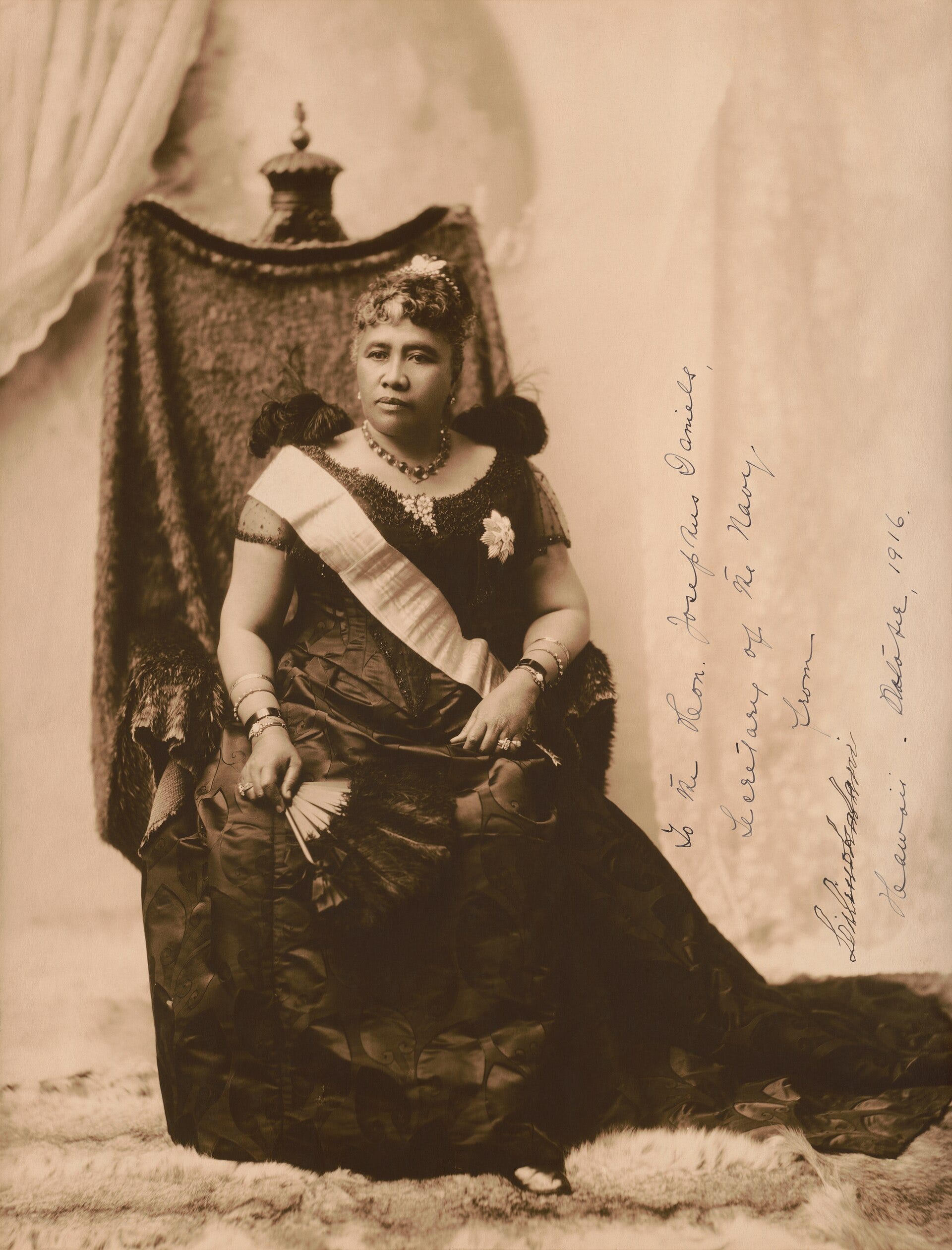
On January 17, 1893, Liliʻuokalani, queen of the independent kingdom of Hawaii, gave up her power with a sentence aimed at Washington. "I yield to the superior force of the United States of America," she declared.
She had come to the throne on January 20, 1891, when her brother the king died. Years earlier she had opposed an 1887 treaty that gave the United States trade privileges in Hawaii and the exclusive use of Pearl Harbor. As queen, she set out to strengthen the political power of the monarchy.
Foreign businessmen in Hawaii had opposed her authority from the start. Their leaders formed the Committee of Safety, and they wanted Hawaii annexed by the United States.
It was this committee that overthrew her in January 1893. It had the backing of John L. Stevens, the diplomat who represented the United States in Hawaii, and of armed American naval forces sent ashore.
The queen gave way to avoid bloodshed, under protest, and only until the American government undid what its men had done. Washington never restored her. In 1895 royalists rose to put her back on the throne and failed, and she was arrested and forced to give up every future claim to the crown.
A military tribunal then tried her in her own throne room at ʻIolani Palace and sentenced her to five years of prison at hard labor. The sentence was reduced, and instead she spent nearly eight months locked in an upstairs bedroom of the palace, which now housed the government that had replaced her.
In 1898 President William McKinley signed the resolution that annexed Hawaii to the United States. Liliʻuokalani died in Honolulu on November 11, 1917. Seventy-six years later, on November 23, 1993, Congress approved a resolution that apologized to Native Hawaiians "for the overthrow of the Kingdom of Hawaii."
At a Glance
Who: Liliʻuokalani, the last queen of Hawaii
Reigned: From January 20, 1891
Overthrown: January 17, 1893, with the backing of the American minister and American naval forces
Tried: 1895, by a military tribunal in her own throne room
Apology: A resolution of Congress, November 23, 1993
11. Razia, Sultan of Delhi (Reigned 1236 to 1240)
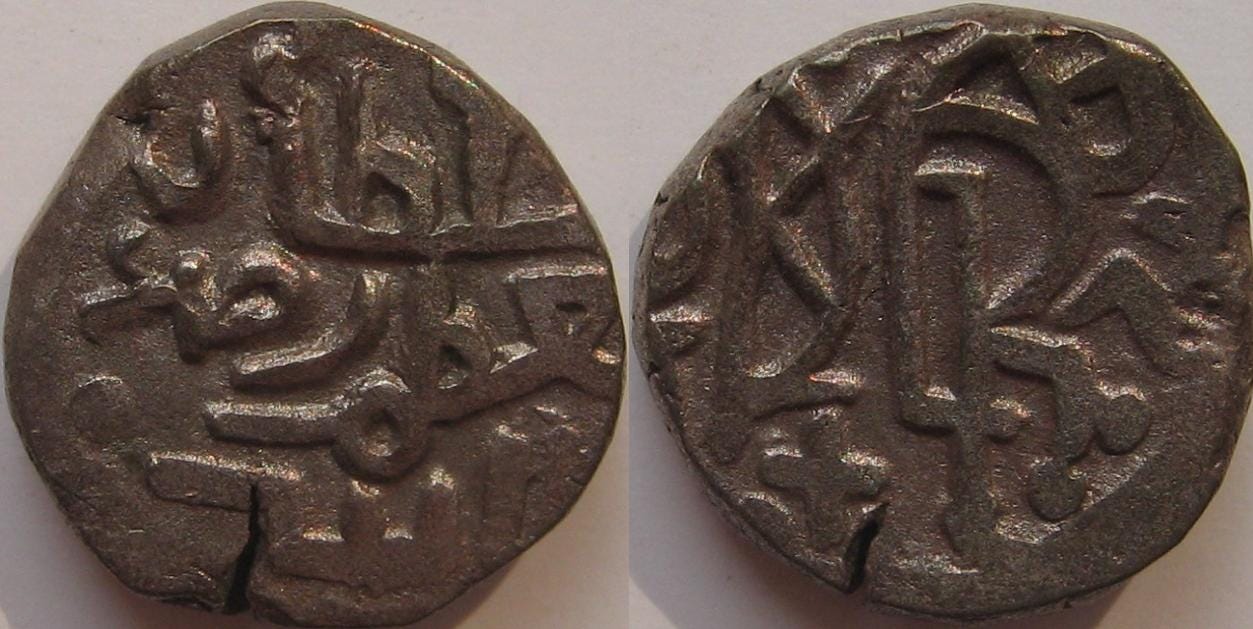
Dressed in red, the color of people who came to demand justice, Razia faced the crowd at Friday prayers in Delhi in 1236. Her father had named her his heir, yet her brother held the throne, and his mother Shah Turkan had just had a ten-year-old prince blinded and killed. Razia had come to accuse Shah Turkan in public, but would the crowd follow a woman against the palace?