
Before the 1800s, a prison was rarely a punishment in itself: it held people until something else happened, such as a trial, an execution or a ruler's change of mind. Escape was the other way out, and it came in two halves: getting past the last guard, then staying free. Many who managed the first half were caught again within days.
Cool Stories About History is a newsletter to learn history the fun way.
Join free and get:
6 new stories a month, straight to your inbox
The full archive of stories
Comment, ask questions, and chat with other readers
How These Were Chosen
Here, a prison means any place where a government, a ruler or an army kept someone under guard. Castles and city jails count, and so do a palace attic, a warehouse, a guarded house, a former school, a convict colony and camps for prisoners of war.
In every case, the prisoner got past the last wall or the last guard, whatever happened next.
The order runs from the escape least known to an American reader to the most famous, judged by the escape itself rather than by the fame of the person.
12. Hugo Grotius (1621)
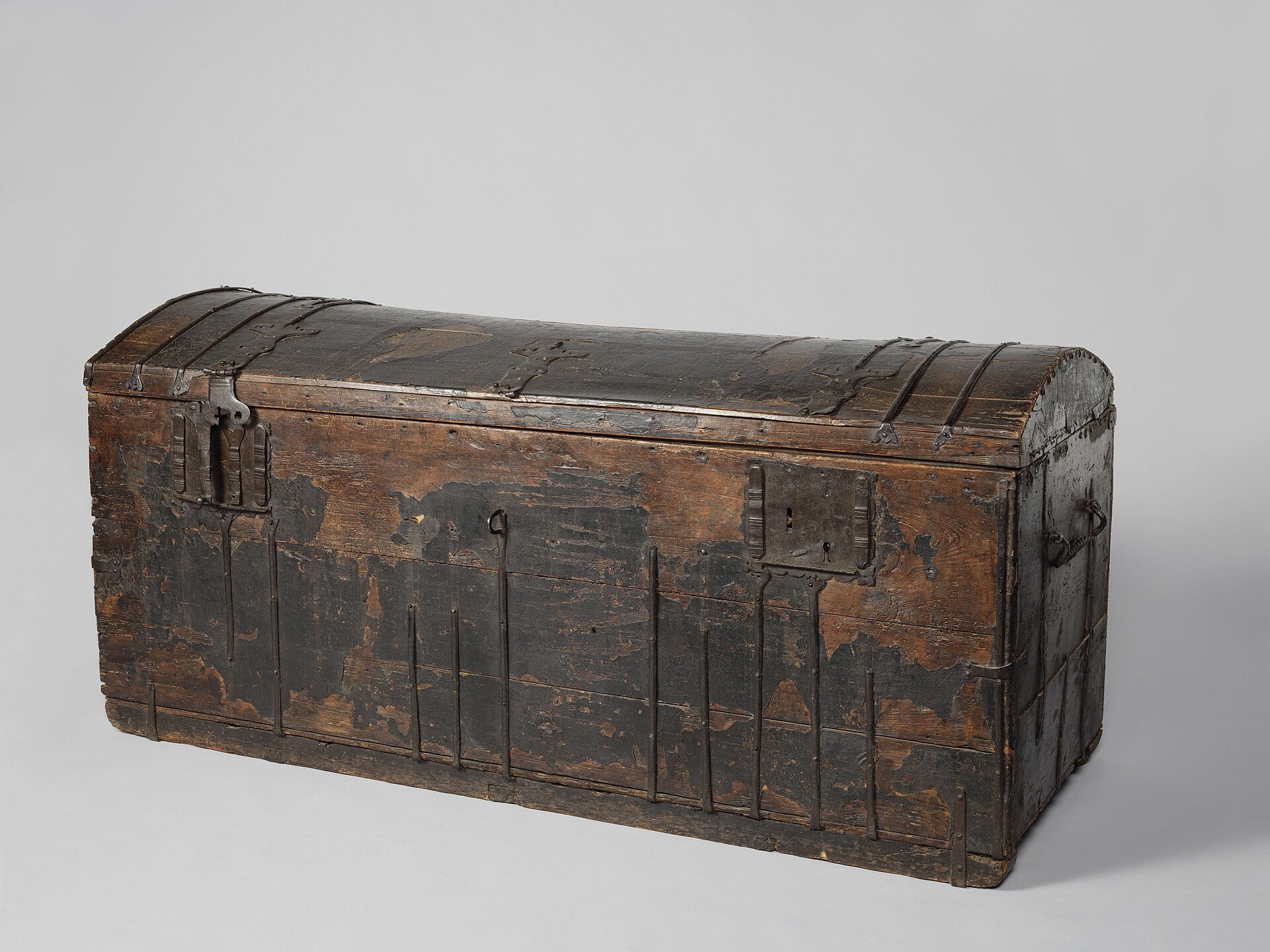
Hugo Grotius was a Dutch lawyer who walked out of a life sentence folded inside a chest of books. His trouble began in 1618, when the Dutch Republic split over a quarrel about religion and power.
Grotius belonged to the Arminians, the side that lost. That year Prince Maurice, the commander of the republic's army, used his troops to seize power and had the Arminian leaders arrested. Later, one of them was executed for high treason, and Grotius was sentenced to prison for the rest of his life.
On June 5, 1619, he arrived at Loevestein Castle, near the town of Gorinchem. Loevestein was a state prison, where the government kept its political enemies apart from common criminals. His room was cold and damp, and he was often ill there.
He was allowed to read and write, and he borrowed books from Leiden University. His wife, Maria, their children and a maid lived in the castle with him, though none of them were prisoners. The books came from Gorinchem in a chest, and the same chest regularly went back to town with the volumes he had finished.
In 1621 Maria worked out that a man could travel in it. On March 22 Grotius folded himself inside, and Maria and the maid, Elsje van Houweningen, laid books in his bed so that it looked as if he were asleep there.
Soldiers carried the chest out of the castle as usual, and Elsje walked with them and directed them to the house of friends in Gorinchem. Grotius spent several hours in the dark box, breathing through the keyhole. That evening Maria "forgot" to light the candles in his room, and by the time the guards looked in, he was far away.
Dressed as a bricklayer, he reached Antwerp and then Paris, where his book On the Law of War and Peace came out in 1625. He never lived in the Netherlands again, though he was buried in Delft after his death in 1645. Three Dutch museums each display a chest as the one that carried him, and tree-ring dating has not ruled out any of them.
At a Glance
Who: Hugo Grotius, a Dutch lawyer sentenced to life in prison
Held at: Loevestein Castle, near Gorinchem, from June 5, 1619
Escape: March 22, 1621
How: Hidden in the chest that carried his books, with help from his wife and their maid
Afterward: Exile in Paris, death in 1645, burial in Delft
11. The Earl of Nithsdale (1716)
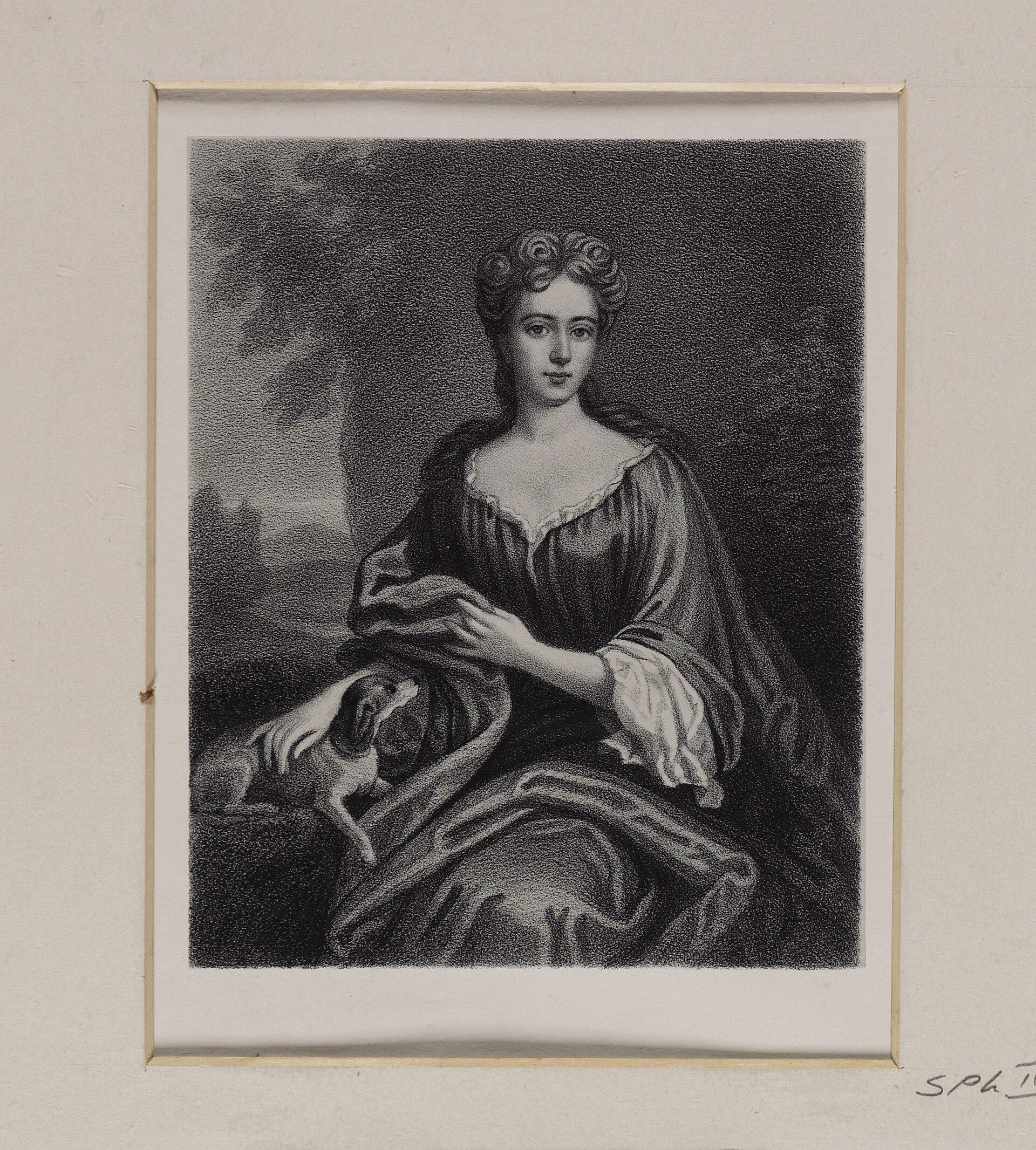
On February 23, 1716, William Maxwell, Earl of Nithsdale, a Scottish lord, sat in the Tower of London, condemned to die the next day for rebellion. His wife, Winifred, came to his cell that day with some women friends. One of them was wearing more clothes than she needed, and the guards at the door let her through.