
A poisoner leaves no wound, so a victim who falls ill and dies can pass for a natural death. Arsenic made the deception easier. It was white and tasteless, it was sold openly as rat poison, and the illness it caused looked like a bad stomach complaint. In some cases the truth came out generations after the funeral, when someone opened a grave and sent hair or bones to a laboratory.
Cool Stories About History is a newsletter to learn history the fun way.
Join free and get:
6 new stories a month, straight to your inbox
The full archive of stories
Comment, ask questions, and chat with other readers
How These Were Chosen
Until 1836, no test could find arsenic in a body reliably enough to convince a court. That year the English chemist James Marsh published one. A gas given off by the sample is lit, and any arsenic leaves a dark mirror on a cold plate.
The twelve cases are real and documented, from Rome in AD 55 to London in 1978, and the best known come last. Some were settled in court at the time, some only when a grave was opened generations later, and some never. In two of them, the body held too little poison, or none, to explain the death.
12. Sir Thomas Overbury (1613)
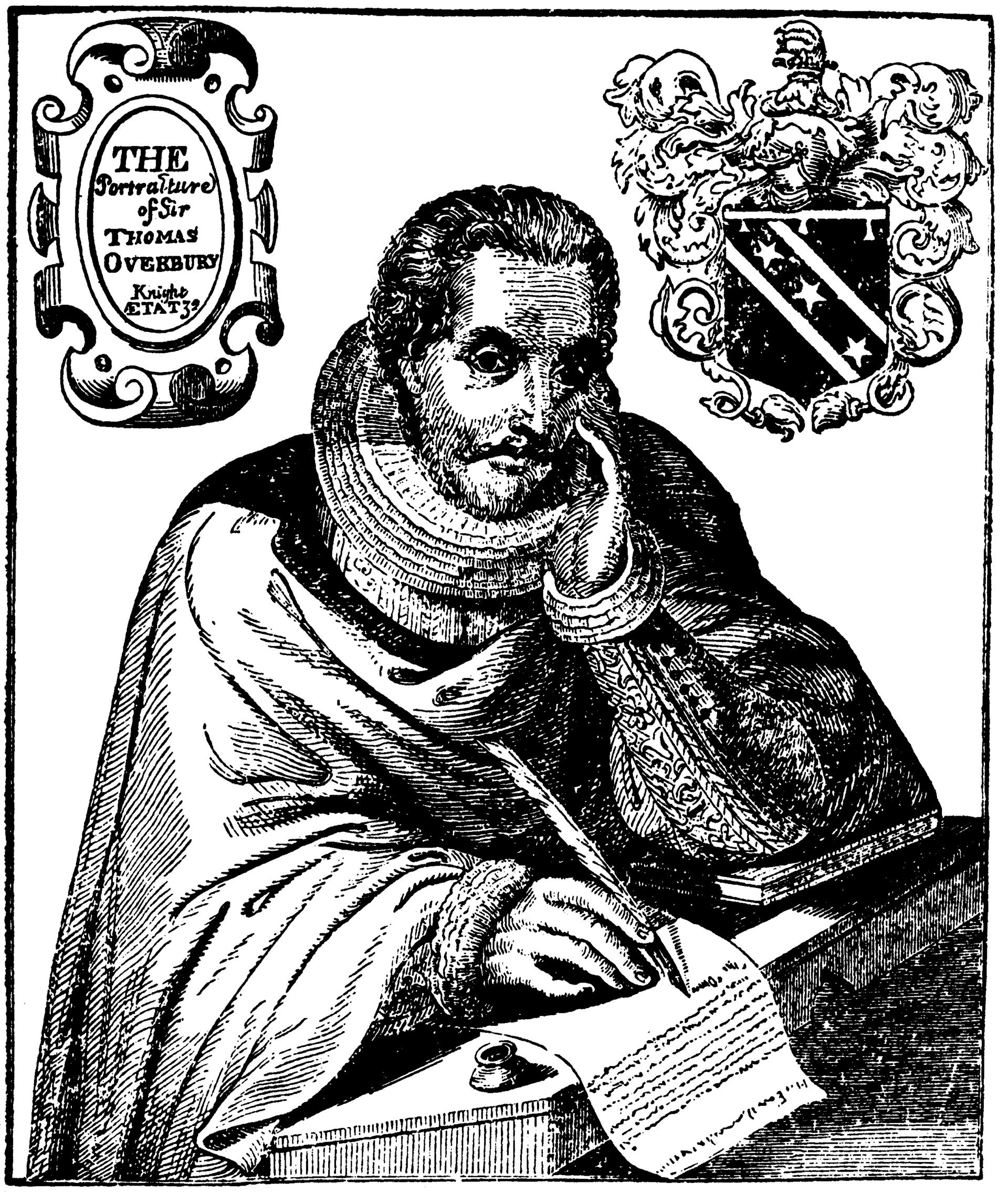
In September 1613 a prisoner died in the Tower of London, and for two years the court of King James the First treated it as a natural death. The dead man was Sir Thomas Overbury, a poet and a lawyer. Since 1606 he had been secretary and closest adviser to Robert Carr, the king's favorite, the courtier through whom offices and favors flowed.
Carr wanted to marry Frances Howard, but she already had a husband. At about fourteen she had been married to the thirteen-year-old Earl of Essex, a match made to join her powerful family to his. In 1613 he asked for an annulment, a ruling that the marriage had never legally existed, because it had never been consummated.
Overbury fought the match, because a Howard wife would push him out of Carr's confidence. His poem A Wife was read at court as an attack on Frances, and the Howards wanted him far from London. When the king offered him the post of ambassador to Russia, Overbury refused, and the angry king sent him to the Tower.
According to later confessions, the jailer Richard Weston brought him tarts and jellies laced with poison, and later an enema given as a medical treatment. An apothecary named James Franklin supplied the poison, and a widow named Anne Turner arranged the deliveries. Overbury weakened through the summer and died on September 15, 1613.
Two years later rumors reached the king that the death had not been natural, and he ordered an inquiry. Four people were tried in 1615 and early 1616 on confessions extracted by torture. All four were hanged, Franklin and Anne Turner among them, and the court never said which poison had been used.
In 1616 Frances herself, by then married to Carr and Countess of Somerset, confessed that she had arranged the poisoning. Carr denied everything. Both were found guilty and held in the Tower, and the king pardoned them in the 1620s.
Overbury died on September 15, and the annulment came through ten days later, on September 25. About three months after his death, Frances married Carr.
At a Glance
Who: Sir Thomas Overbury, poet, lawyer and adviser to the favorite of King James the First of England
Date: September 15, 1613
Place: The Tower of London
Poison: Never identified, hidden in tarts, jellies and an enema
Proof: Confessions under torture at the trials of 1615 and 1616, and Frances Howard's own in 1616, followed by royal pardons
About This Case
Who murdered Sir Thomas Overbury?
He was poisoned in the Tower of London in 1613. Frances Howard, who wanted to marry his patron Robert Carr, confessed in 1616 that she had arranged it. Four accomplices were hanged, and she and Carr were pardoned.
11. Charles Francis Hall (1871)
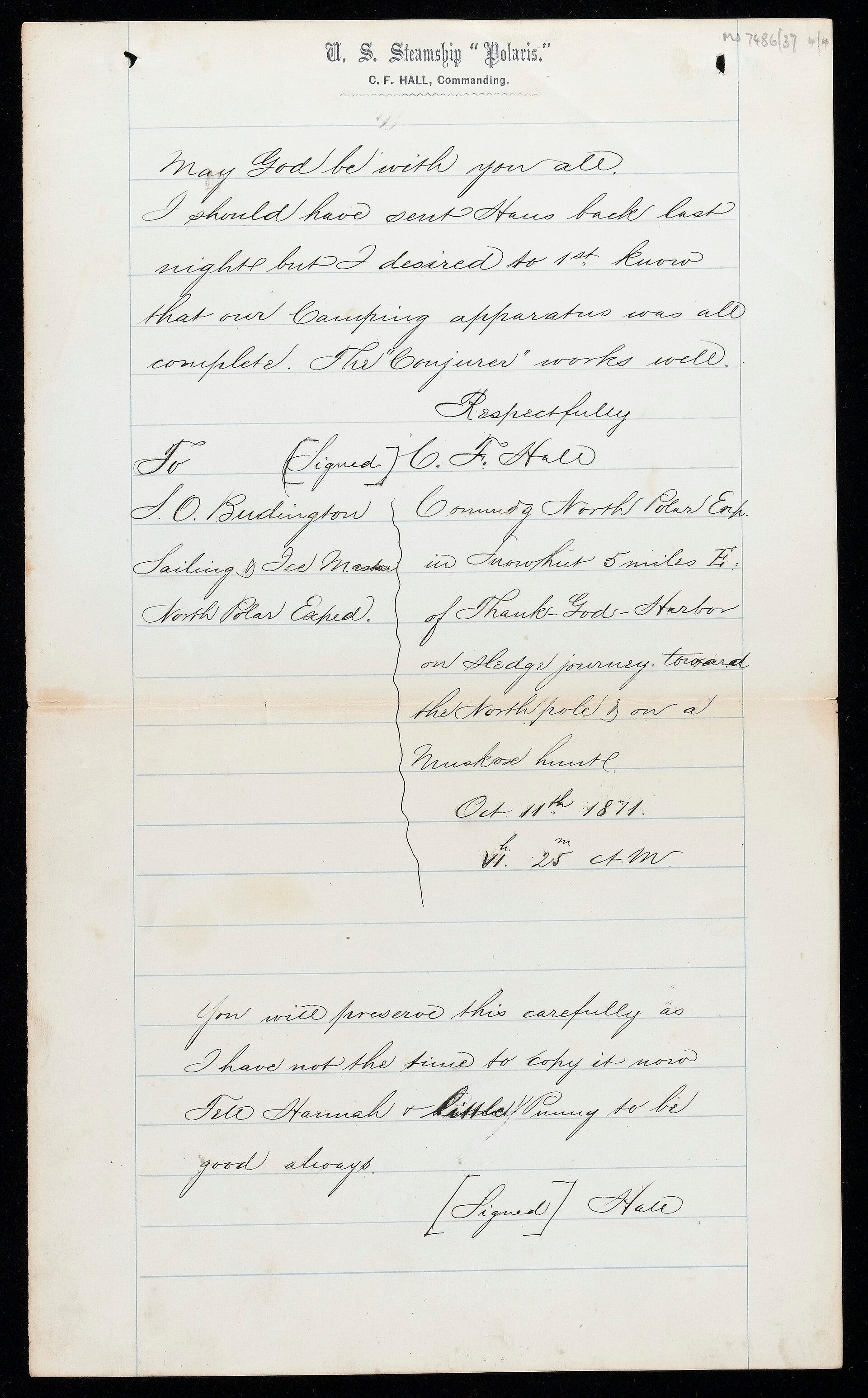
Charles Francis Hall was an American Arctic explorer, and in 1871 he took a ship called the Polaris north toward the Pole. In late October, with the ship locked in the ice off Greenland, he drank a cup of coffee and became violently ill. For two weeks he lay in his bunk, repeating that some of his officers were poisoning him, and his accusation then waited ninety-seven years for a test.