
Until 1856, a government at war could hand a private captain a commission to rob enemy merchant ships. That year, Britain and the other major European powers except Spain banned the practice in the Declaration of Paris. For three centuries before, sea raiders moved back and forth between licensed war and plain piracy. The famous ones came to very different ends, from the gallows to a knighthood.
Cool Stories About History is a newsletter to learn history the fun way.
Join free and get:
6 new stories a month, straight to your inbox
The full archive of stories
Comment, ask questions, and chat with other readers
How These Were Chosen
A pirate robbed at sea for private gain, with no authority from any government. A privateer did the same thing legally, with a commission from a state at war to attack enemy merchant ships.
The twelve were real people whose end is on record, or whose trail goes cold at a known point. Some of their stories first appeared in A General History of the Pyrates, a book published in 1724 whose accuracy is still debated.
They start with names few Americans know and finish with the pirate nearly every American can name.
12. Hayreddin Barbarossa (died 1546)
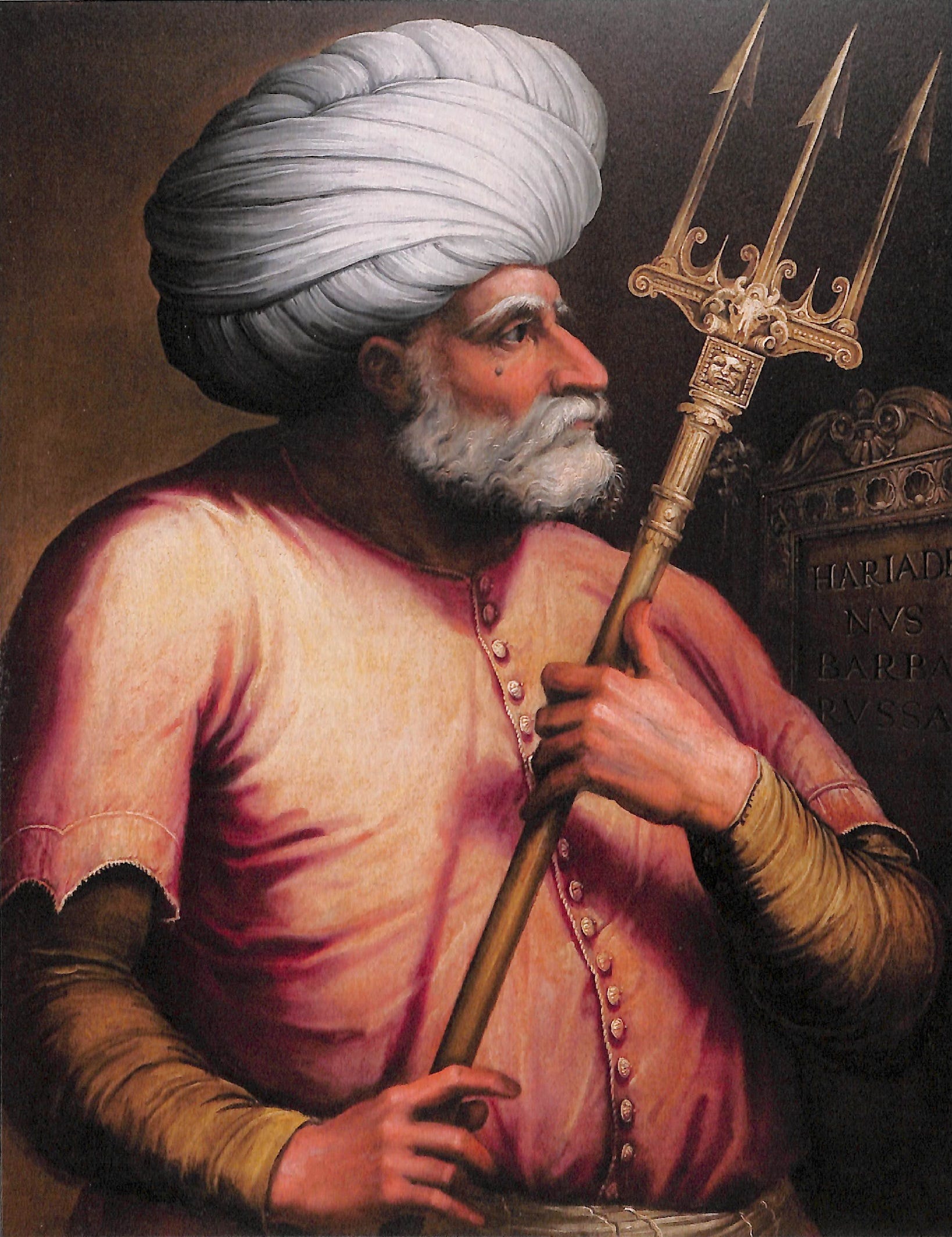
Hayreddin Barbarossa started out raiding Christian ships and ended his life as grand admiral of the Ottoman Empire, the Muslim power that ruled from Istanbul. Europeans knew him by a borrowed name. Barbarossa means Redbeard in Italian, and it first belonged to his older brother Oruç, whose title Baba Oruç, meaning Father Oruç, sounded to Italians like barba rossa. Hayreddin's own hair was golden brown.
He was born Khidr in the 1470s on Lesbos, a Greek island then under Ottoman rule. In 1492 Spain conquered Granada, the last Muslim kingdom in Spain, and Spanish and Portuguese forces carried the war on to the coast of North Africa.
The brothers struck back as privateers. They raided Spanish and Portuguese ships under license from Korkud, a son of the Ottoman sultan. Then another son, Selim, took the throne and had Korkud executed, so the brothers fled to North Africa and kept raiding on their own.
Oruç took the port of Algiers in 1516. Two years later, Spanish troops found him hiding in a goat pen and killed him. Left alone, Hayreddin turned to Istanbul for protection, and the sultan sent him 2,000 janissaries, the soldiers of the Ottoman elite infantry.
After Hayreddin took Tunis in the early 1530s, Selim's son Süleyman the Magnificent made him kapudan pasha, the commander of the whole Ottoman fleet. In 1538, off Preveza on the west coast of Greece, he faced a combined fleet from Venice, Genoa, Spain, Portugal, Malta and the Pope.
He had 122 galleys against some 300 enemy ships. A galley moved on oars and did not need the wind. Near bays and islands sheltered from it, his galleys moved freely while sailing ships struggled, and Hayreddin won. The victory opened Tripoli and the eastern Mediterranean to Ottoman rule.
He retired to Istanbul in 1545, dictated his memoirs and died there on July 4, 1546. His tomb, designed by the architect Mimar Sinan, still stands in Beşiktaş, on the European shore of the Bosporus. Its epitaph calls him the conqueror of Algiers and of Tunis.
At a Glance
Who: Hayreddin Barbarossa, born Khidr on Lesbos in the 1470s
Active: The early 1500s to 1545
Waters: The Mediterranean, from his base at Algiers
License: A privateer for an Ottoman prince, a corsair on his own, then an Ottoman admiral
How it ended: Retired to Istanbul and died there on July 4, 1546
11. Grace O'Malley (1593)
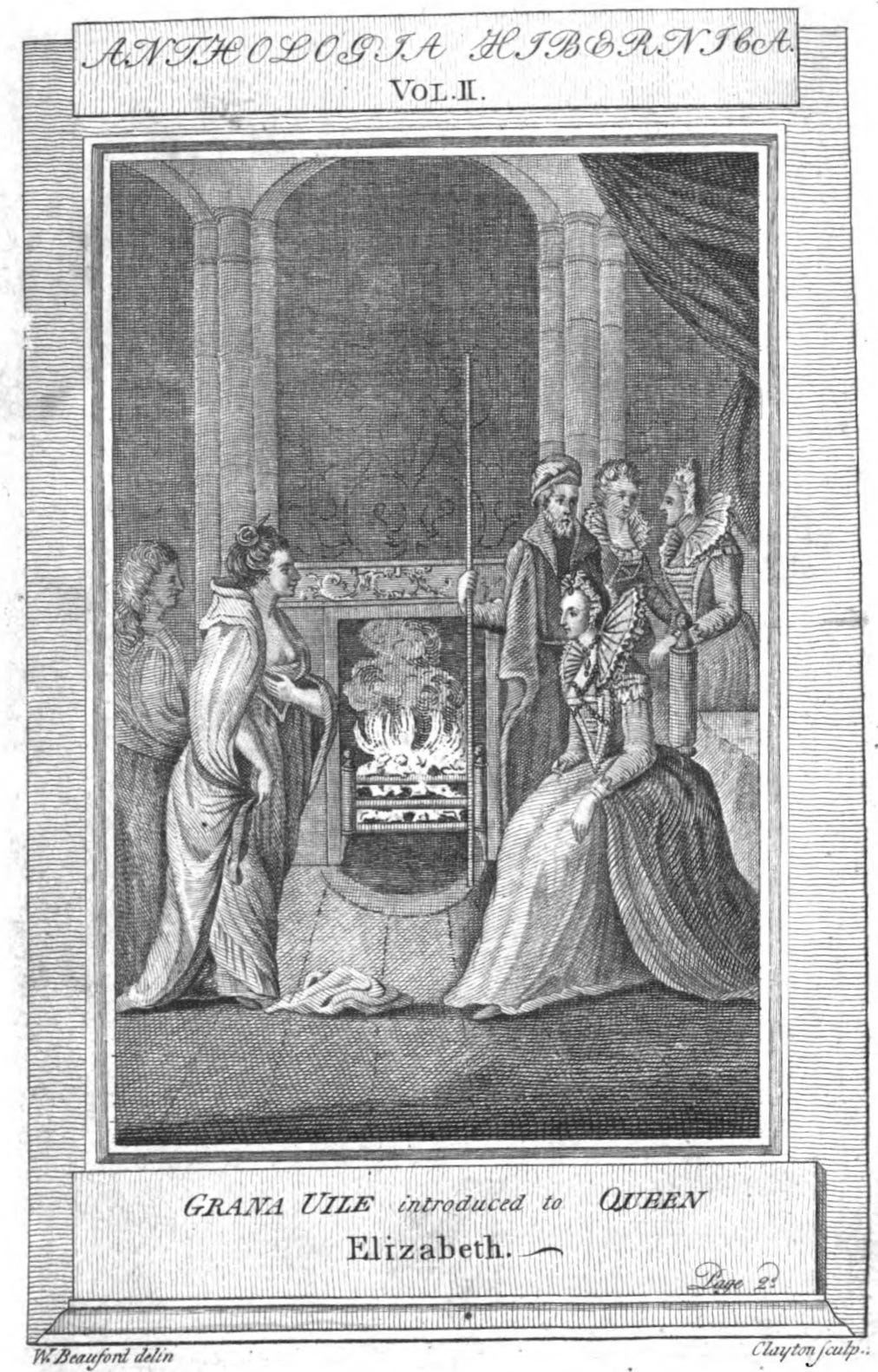
Grace O'Malley was an Irish sea captain who lived by trade and piracy off the west coast of Ireland for four decades. In July 1593, in her sixties and close to poverty, she wrote to Queen Elizabeth I of England. Seven years earlier, the queen's own governor in her province had ordered a gallows built for her.