
In April 2021, 22 royal mummies were driven through Cairo to a new national museum, in order from the oldest to the most recent. They came from a country governed for close to 3,000 years by pharaohs, kings who called themselves children of the sun god. The bodies, stones and statues they left behind tell harder stories, like a king killed with his hands tied and a ruler whose statues were smashed after her death.
Cool Stories About History is a newsletter to learn history the fun way.
Join free and get:
6 new stories a month, straight to your inbox
The full archive of stories
Comment, ask questions, and chat with other readers
How These Were Chosen
The twelve rulers span more than 2,600 years, from about 3000 BC to 343 BC, when the last king of Egyptian birth fled a Persian army. Eleven are men. One is a woman who ruled as king.
Each of them left something that can still be seen or read today, from a mummy or a carved stone to a builder's logbook. They run from names few Americans know to the best known.
Tutankhamun, Akhenaten and Cleopatra are left out, since each needs a story of its own.
12. Seqenenre Taa II, the Brave (16th Century BC)
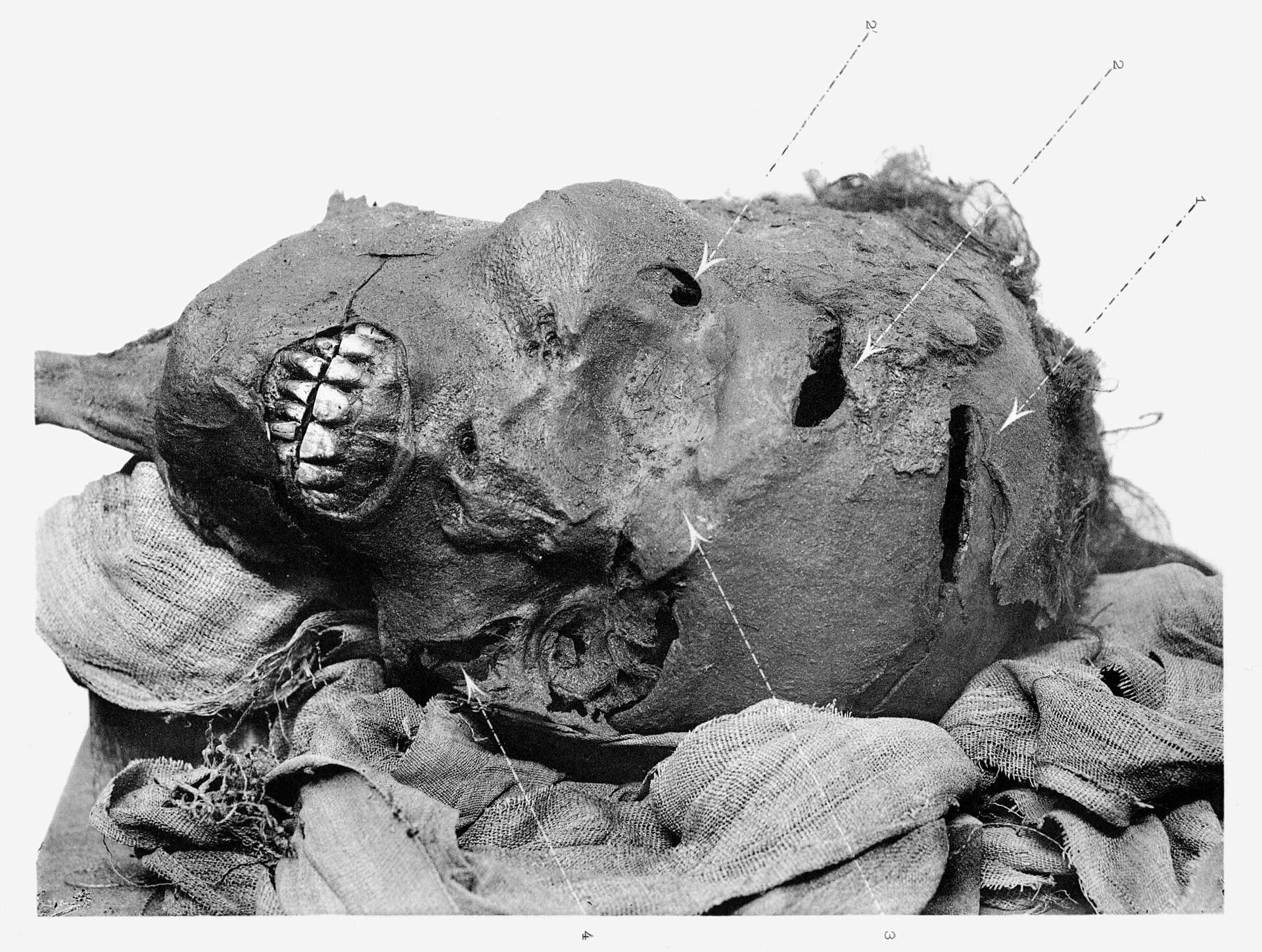
Seqenenre Taa II, nicknamed "the Brave," ruled the south of Egypt from the city of Thebes in the 16th century BC. A tale written down long after his death says his war began over a noise. The Hyksos king Apopis complained that the hippopotamuses of Thebes kept him awake at night.
The Hyksos were a foreign dynasty that held much of Egypt for about a century, from about 1650 to 1550 BC. Apopis lived in the Nile delta, about 400 miles north of Thebes, so the complaint was only a pretext for a quarrel. The tale breaks off while Seqenenre and his court weigh their answer.
His mummy, found in the 1880s, tells the rest. It carries five severe head wounds: a crushing blow, three axe wounds and a thrust from a spear or a sword.
For more than a century, nobody could say how he died. Some thought he fell in battle. Others believed he was executed after his capture, or murdered in his sleep by a palace plot.
CT scans published in 2021 offered an answer. Seqenenre had been captured on the battlefield with his hands tied behind his back, then killed by several attackers. His wounds match five different Hyksos weapons.
He was about 40 years old, and his embalmers had hidden some of the wounds under a filler before they wrapped him. The kings who followed him kept up the fight until Egypt was one kingdom again, and the age called the New Kingdom began.
In the April 2021 procession of royal mummies through Cairo, the first chariot carried Seqenenre the Brave.
At a Glance
Who: Seqenenre Taa II, "the Brave," king of Thebes
When: 16th century BC
Enemy: The Hyksos, a foreign dynasty that held much of Egypt
Death: Captured with his hands tied, then killed by several attackers with Hyksos weapons
Known from: His mummy, scanned in 2021
11. Piye of Kush (Eighth Century BC)
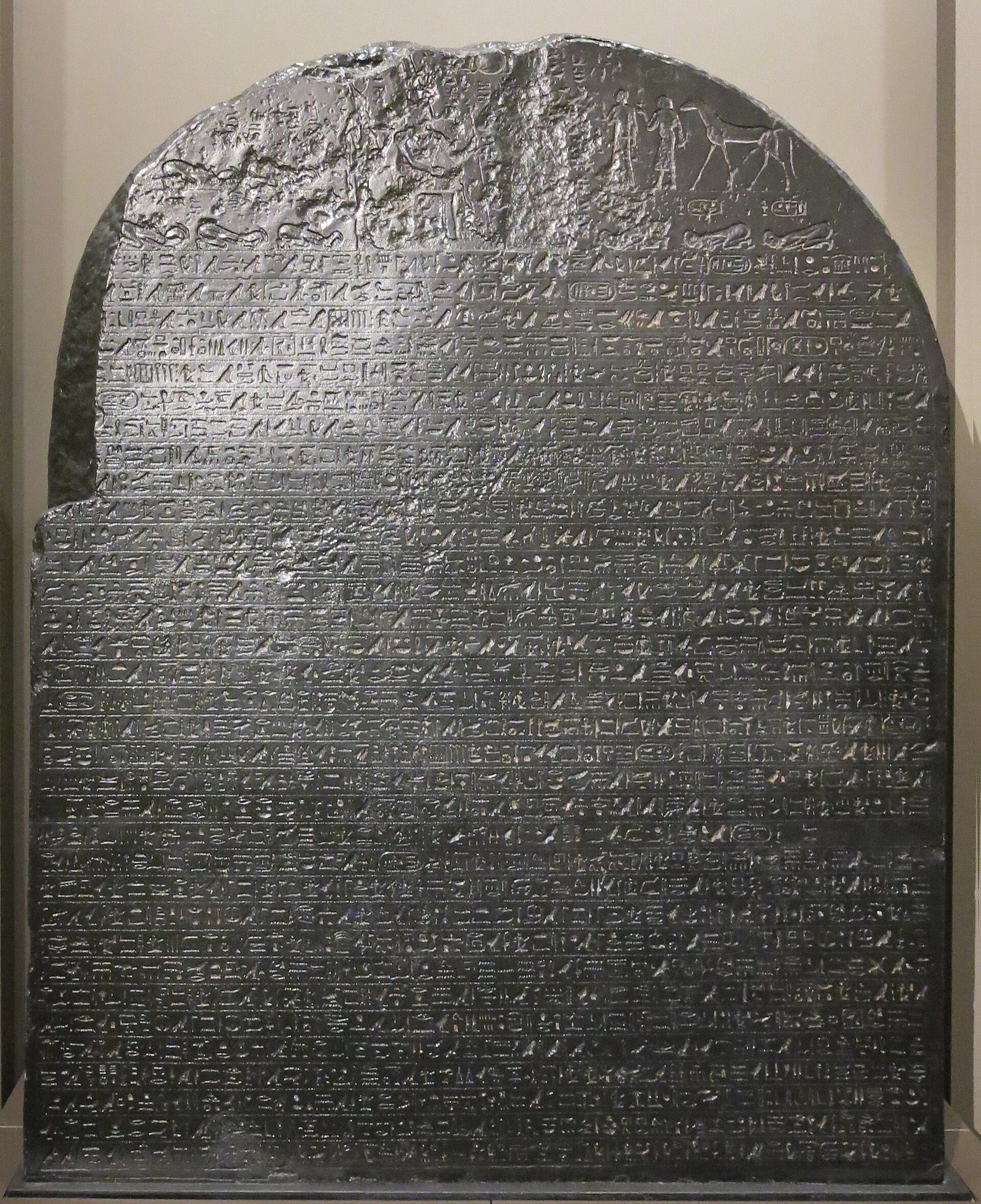
Piye, a king of Kush in present-day Sudan, marched down the Nile in the eighth century BC to stop a Libyan chief from taking Egypt. At the city of Hermopolis, which had resisted him, the city's beaten king came out with a horse and gifts of gold. Later, Piye visited the stables, where something angered him more than anything else in the war.