
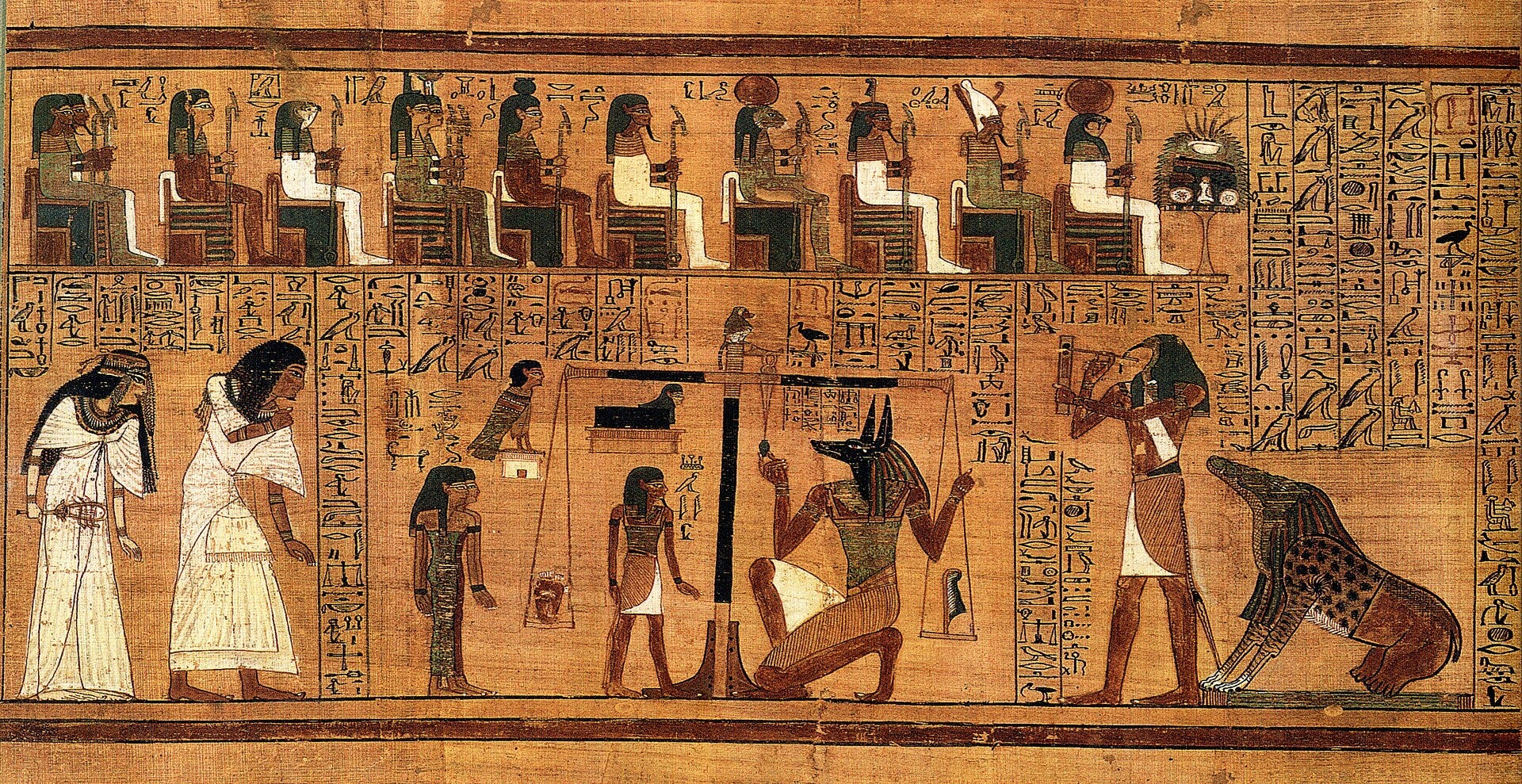
In ancient Egypt, embalmers spent seventy days on a mummy, drying the body with natron, a salt, and wrapping it in hundreds of yards of linen. Many famous mummies were never Egyptian kings, though. Ice, peat or desert sand kept some of them. Others were kept by modern embalmers or by the dead person's own plan, and their bodies were stolen, exhibited or studied long after the funeral.
Cool Stories About History is a newsletter to learn history the fun way.
Join free and get:
6 new stories a month, straight to your inbox
The full archive of stories
Comment, ask questions, and chat with other readers
How These Were Chosen
Each of these twelve bodies belonged to a real person, and none of them was a king of Egypt. Nature kept some of them, in sand, ice or peat. Embalmers or a sealed tomb kept others, and two men planned their own preservation.
Every one of these bodies had a second story after death. It was sold, stolen, shown, studied or brought home.
They run from an outlaw few Americans have heard of to the most famous body in Moscow.
12. Elmer McCurdy (1911 to 1976)
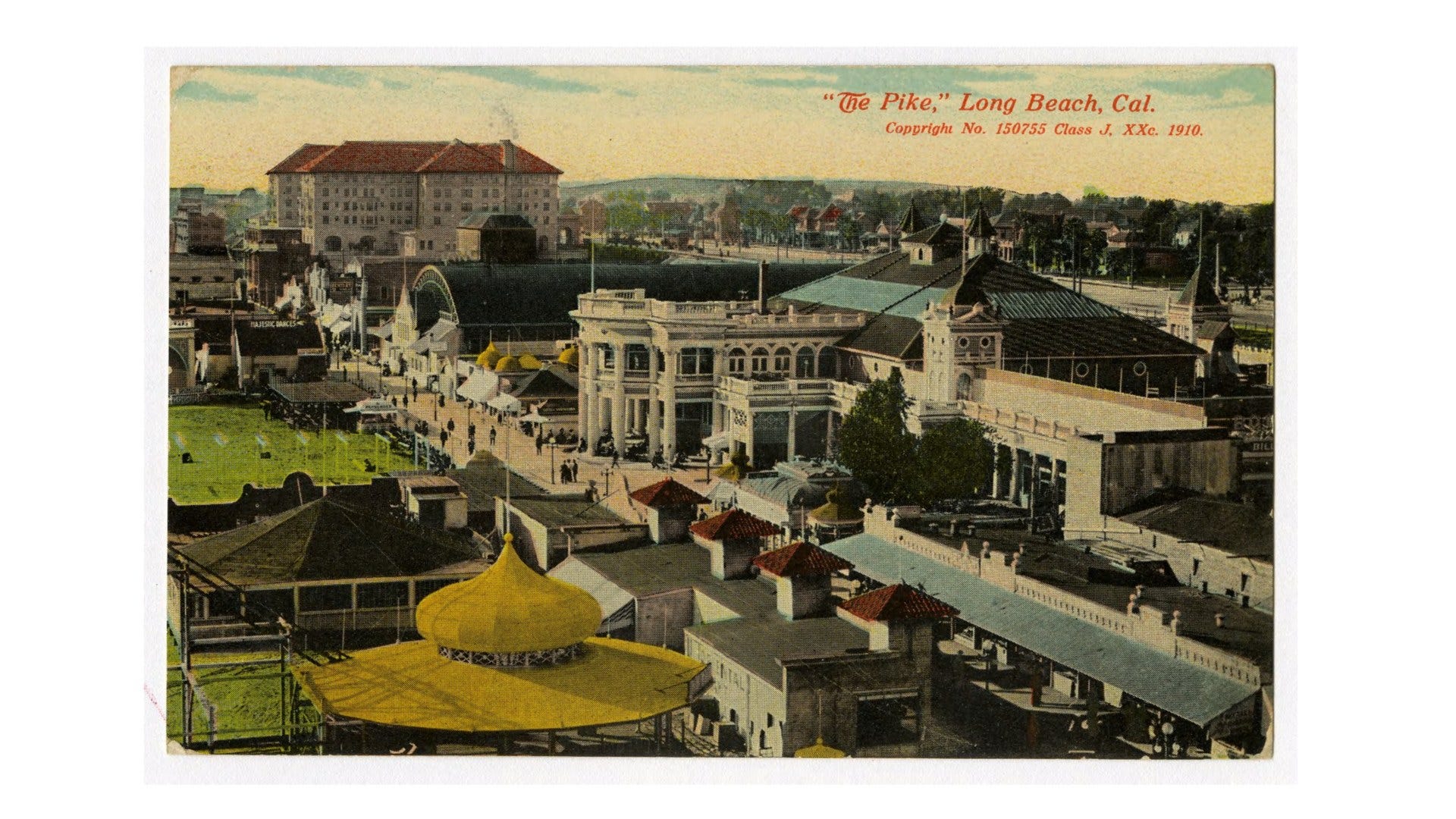
On the set of the TV series The Six Million Dollar Man, a crew member moved a figure hanging from a gallows. Its arm broke off to show a human bone. The set was a Long Beach funhouse, the date was December 8, 1976, and the figure was Elmer McCurdy, dead for 65 years.
McCurdy was born in 1880 in Washington, Maine, and joined the United States Army in 1907, where he learned to handle explosives. Weeks after he left in 1910, he was arrested with nitroglycerin among his tools. A jury believed his claim that he was building a foot-powered machine gun.
He turned to train robbery. In March 1911, his gang blew open a train's safe and melted most of the silver inside. On October 4, near Okesa, Oklahoma, they stopped the wrong train and got away with $46 and a jug of whiskey.
Three days later, a posse surrounded a barn near Bartlesville where McCurdy was hiding. He refused to surrender and opened fire. When the shooting stopped, the officers found him dead in the hayloft.
Nobody claimed the body, so an undertaker in Pawhuska preserved it with a heavy dose of arsenic. He dressed it in street clothes, gave it a rifle and showed it for five cents as "The Embalmed Bandit." In 1916, two carnival promoters posing as McCurdy's brothers took it away for their traveling show.
For more than half a century, the body changed hands again and again, appearing in crime exhibits, haunted houses and low-budget films. Neglect shriveled it, and by 1976 it was painted bright red. Examiners in Los Angeles found a bullet and a 1924 penny inside it, and the penny helped identify him.
McCurdy was buried on April 22, 1977, in Guthrie, Oklahoma, beside another outlaw, Bill Doolin, and about 300 people came. To keep anyone from putting him on show again, two feet of concrete was allegedly poured over his casket.
At a Glance
Who: Elmer McCurdy, a train robber born in Maine in 1880
Died: October 7, 1911, near Bartlesville, Oklahoma
Kept by: A heavy dose of arsenic from an undertaker in Pawhuska
Found: December 8, 1976, in a funhouse in Long Beach, California
Buried: April 22, 1977, in Guthrie, Oklahoma, beside Bill Doolin
11. Lindow Man (Between 2 BC and AD 119)
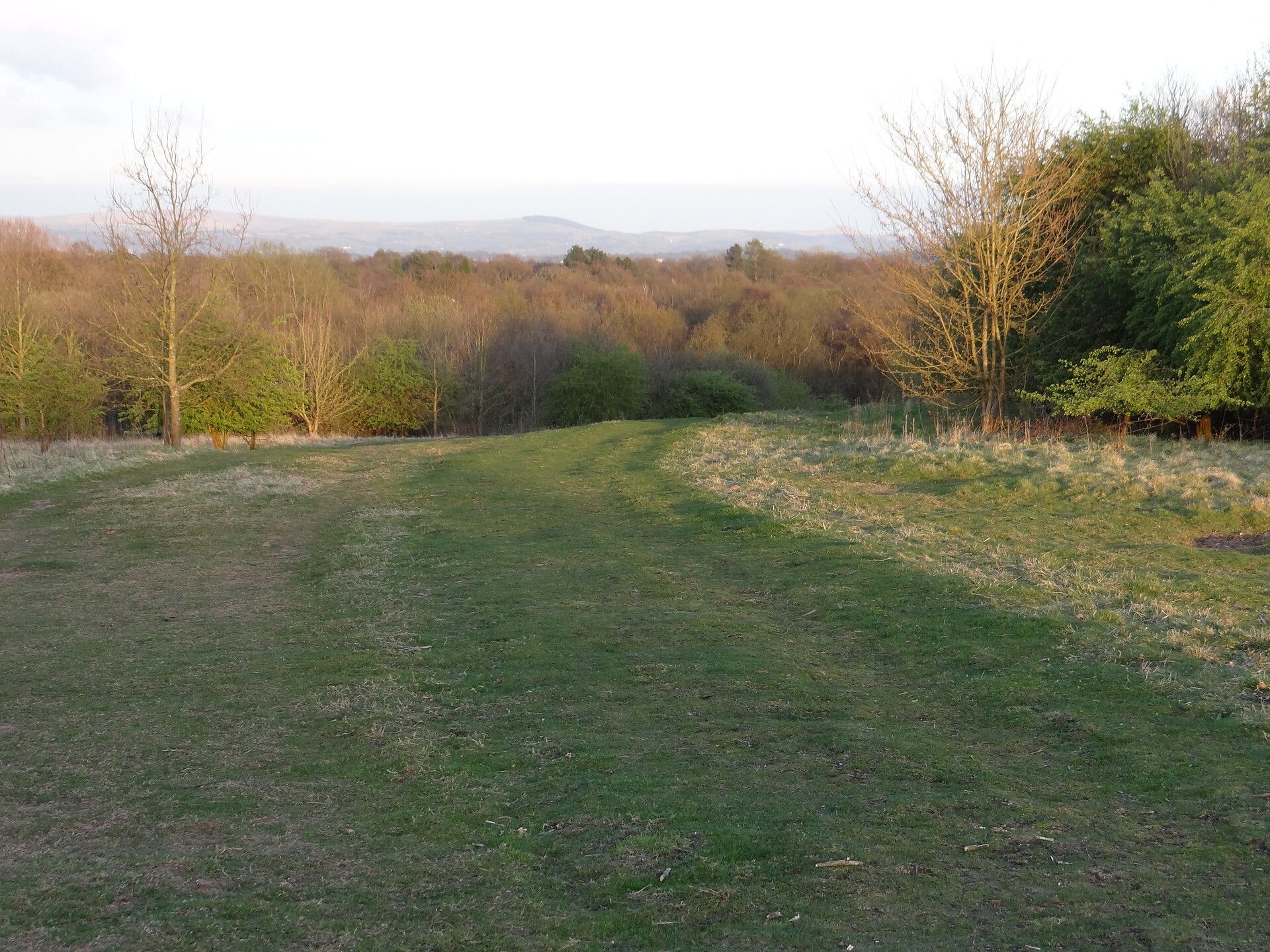
Before Lindow Man came out of a bog near Manchester, England, the same bog produced a murder confession. On May 13, 1983, two peat cutters at Lindow Moss found a human skull on their conveyor belt, and a local man then confessed to killing his wife. Was the skull really hers?