
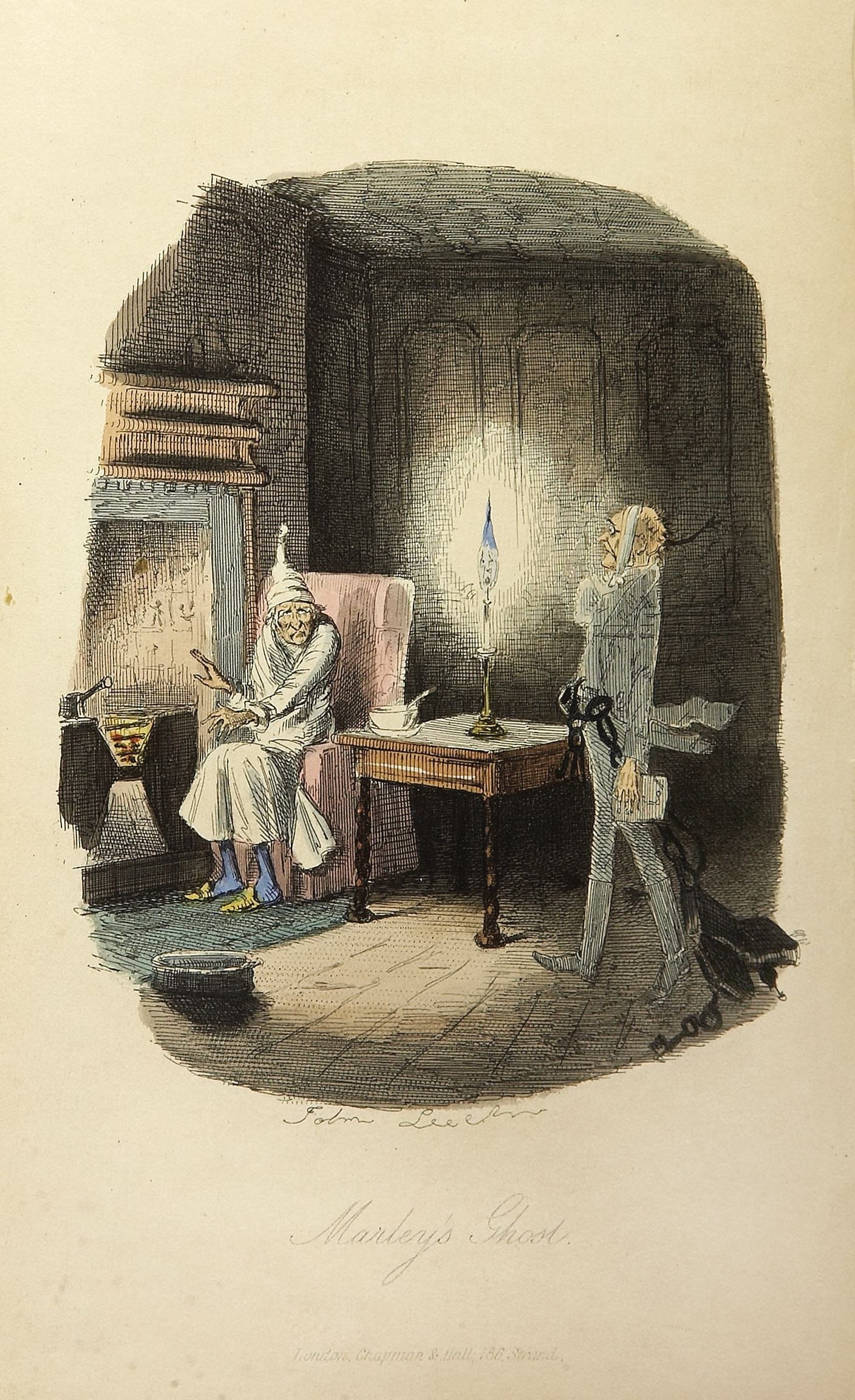
Charles Dickens published A Christmas Carol on December 19, 1843, and gave the world Ebenezer Scrooge, the old man who hoards every coin until three ghosts change his mind. Dickens never said who inspired him. Real misers did live, from ancient Rome and China to New York, and some of them guarded their money even against their own families.
Cool Stories About History is a newsletter to learn history the fun way.
Join free and get:
6 new stories a month, straight to your inbox
The full archive of stories
Comment, ask questions, and chat with other readers
How These Were Chosen
Each of these misers was a rich person who held on to money far harder than anyone around them thought sensible. Every person here really lived. No character from a play or a novel made the cut.
The stories run from Rome in the second century BC to New York in 1932. Dickens knew several of these lives, and three of them appear by name in his novel Our Mutual Friend, published in 1865.
12. Daniel Dancer (Died 1794)
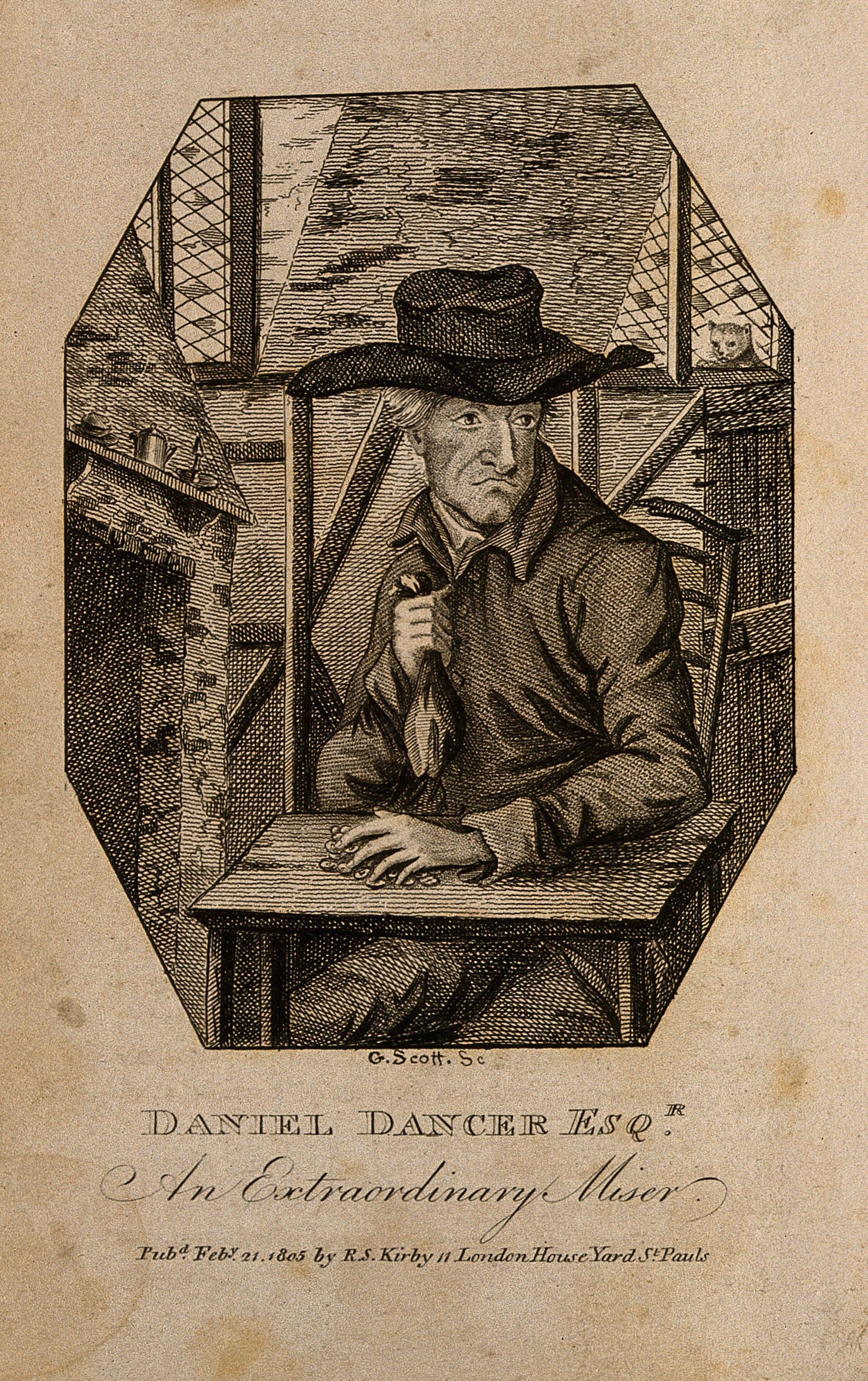
Nearly £2,500 lay hidden in a heap of cow dung when the house of Daniel Dancer was searched after his death in 1794. Dancer owned a farm in rural Middlesex, the county just outside London, and he had reportedly lived for decades as if he had no money at all.
For many years, he and his sister lived on three pounds of coarse beef and fourteen hard dumplings a week. A rope of twisted hay, tied tight around his waist, held his clothes together. He was never known to spend a shilling on shoe leather.
Food that cost nothing was welcome. One day he found a sheep that had died of disease and carried it home, and his sister made pies from it that lasted them for weeks.
When his sister lay dying, Dancer refused to fetch a doctor. "I cannot think of paying for physic for dying people," he said, using the old word for medicine.
Even her death brought him money. Dancer went to law against his brothers and recovered £1,040 for her board and lodging, the price of the food and shelter he had given her.
He died lying in an old sack. Having come into the world without a shirt, he said, he was determined to leave it the same way.
Then the house was searched. Besides the dung heap, £600 in notes lay folded inside an old teapot, and more than £200 was stuffed into nineteen different holes in the chimney.
At a Glance
Who: Daniel Dancer, a farmer in rural Middlesex, England
Died: 1794
Weekly food: Three pounds of beef and fourteen dumplings, shared with his sister
Lawsuit: £1,040 recovered from his brothers for his sister's board and lodging
Found after his death: Nearly £2,500 in a dung heap and £600 in a teapot
About This Miser
Where did miser come from?
From the Latin word miser, which means "miserable." English speakers have used it for a stingy person since about 1560.
11. Wang Rong (Around AD 300)
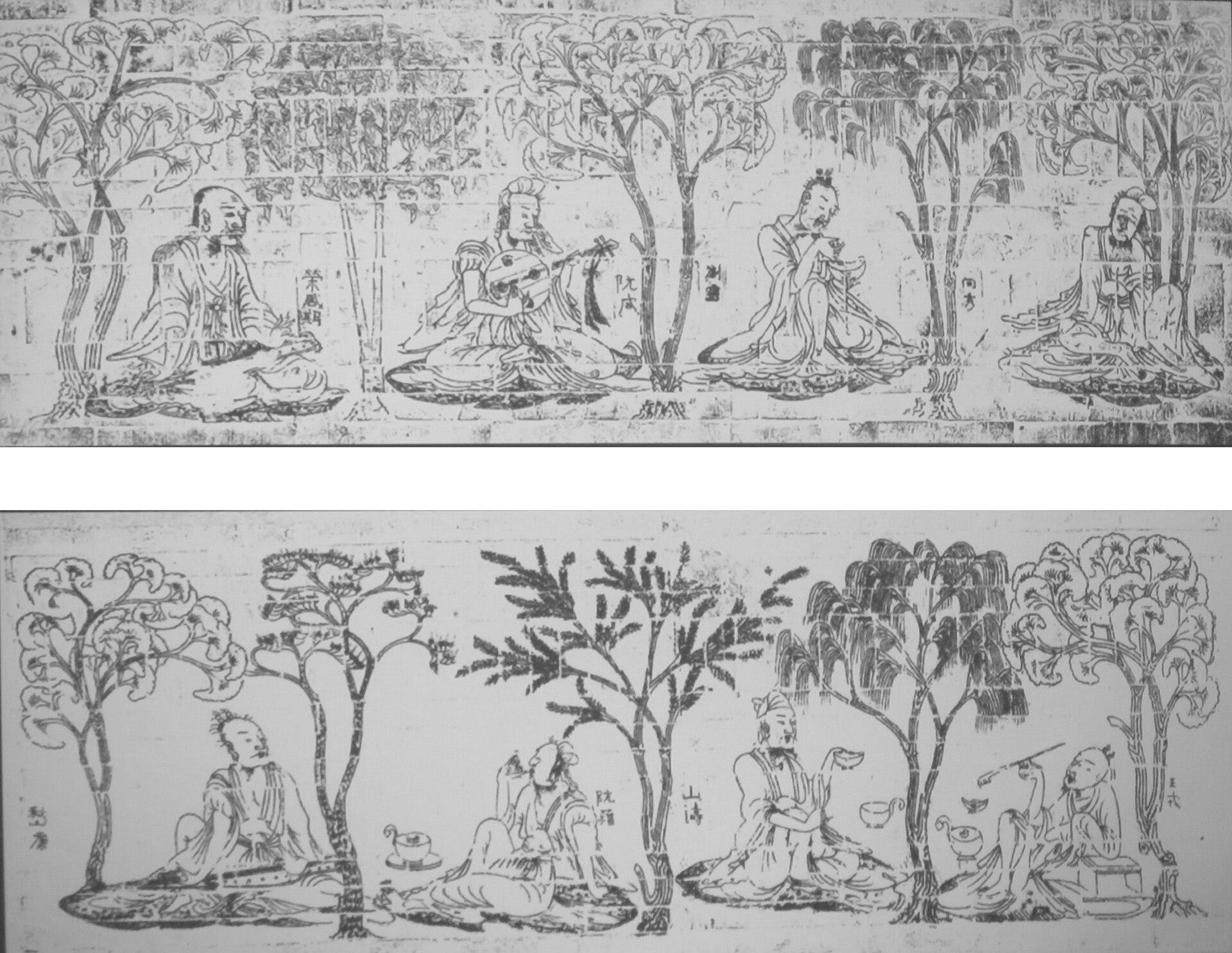
Wang Rong was a minister at the imperial court of China around AD 300, and his orchards grew excellent plums. He was glad to sell them, but no plum left his house until he had changed it in the same small way. What did he do to every fruit, and why?