
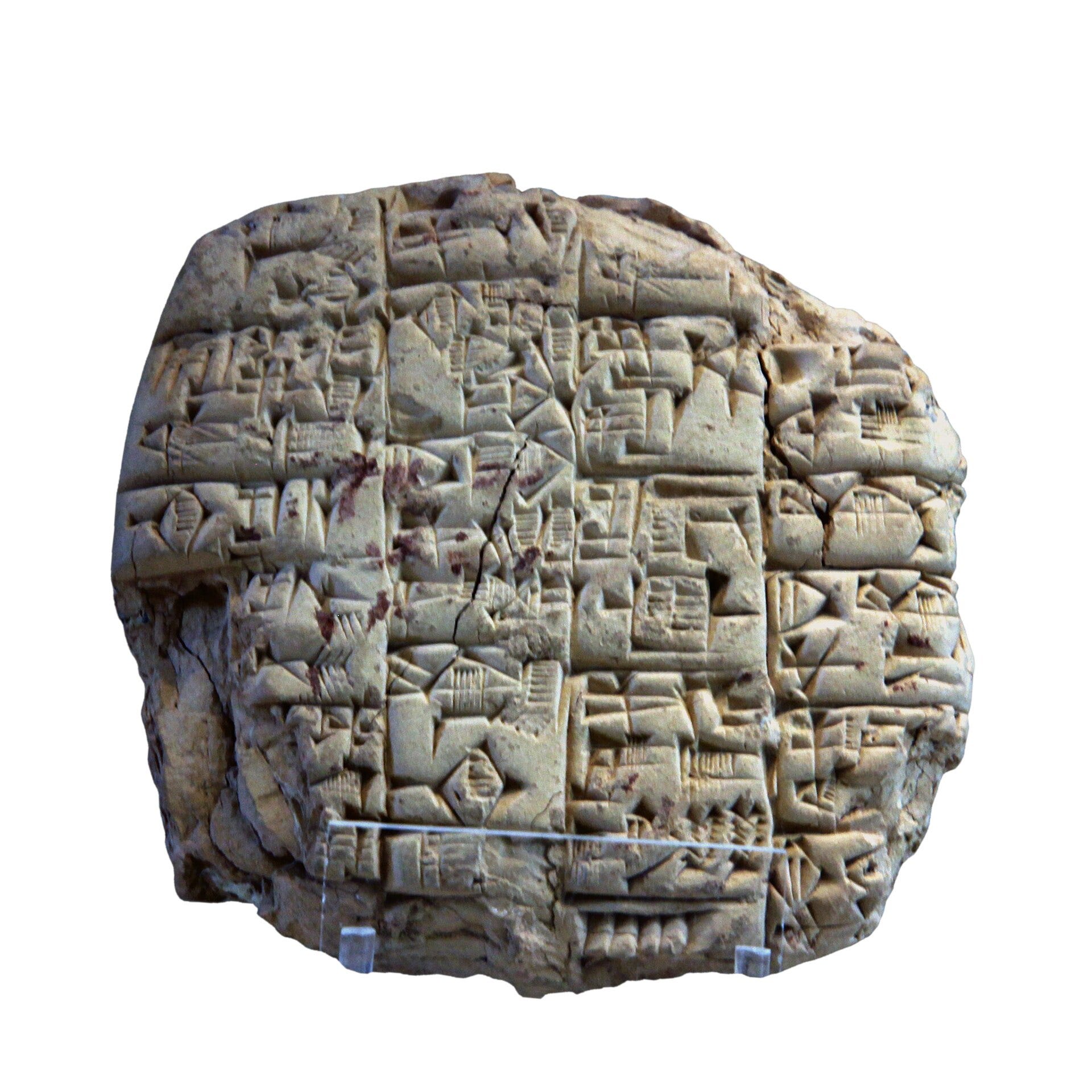
Around 2400 BC, in the Sumerian city of Girsu, in today's southern Iraq, a temple administrator named Lu-ena pressed a report into clay for a colleague. Raiders from the kingdom of Elam had attacked, and his tablet, which tells how the fight went, is one of the oldest known letters. Twelve other letters were also meant for one reader each, and most of them reached far more people than their writers ever planned.
Cool Stories About History is a newsletter to learn history the fun way.
Join free and get:
6 new stories a month, straight to your inbox
The full archive of stories
Comment, ask questions, and chat with other readers
How These Were Chosen
Twelve letters are kept here, from a clay tablet of about 1750 BC to a reply written in an Alabama jail in 1963. The tablet from Girsu is not one of them.
Two of the twelve were telegrams. They count as letters because each reached its reader as a written message. Some letters were dictated, some were written in the sender's own hand, and one was both.
The order runs from letters few Americans have heard of to the two most often found on lists of famous letters.
12. The Ems Dispatch (1870)
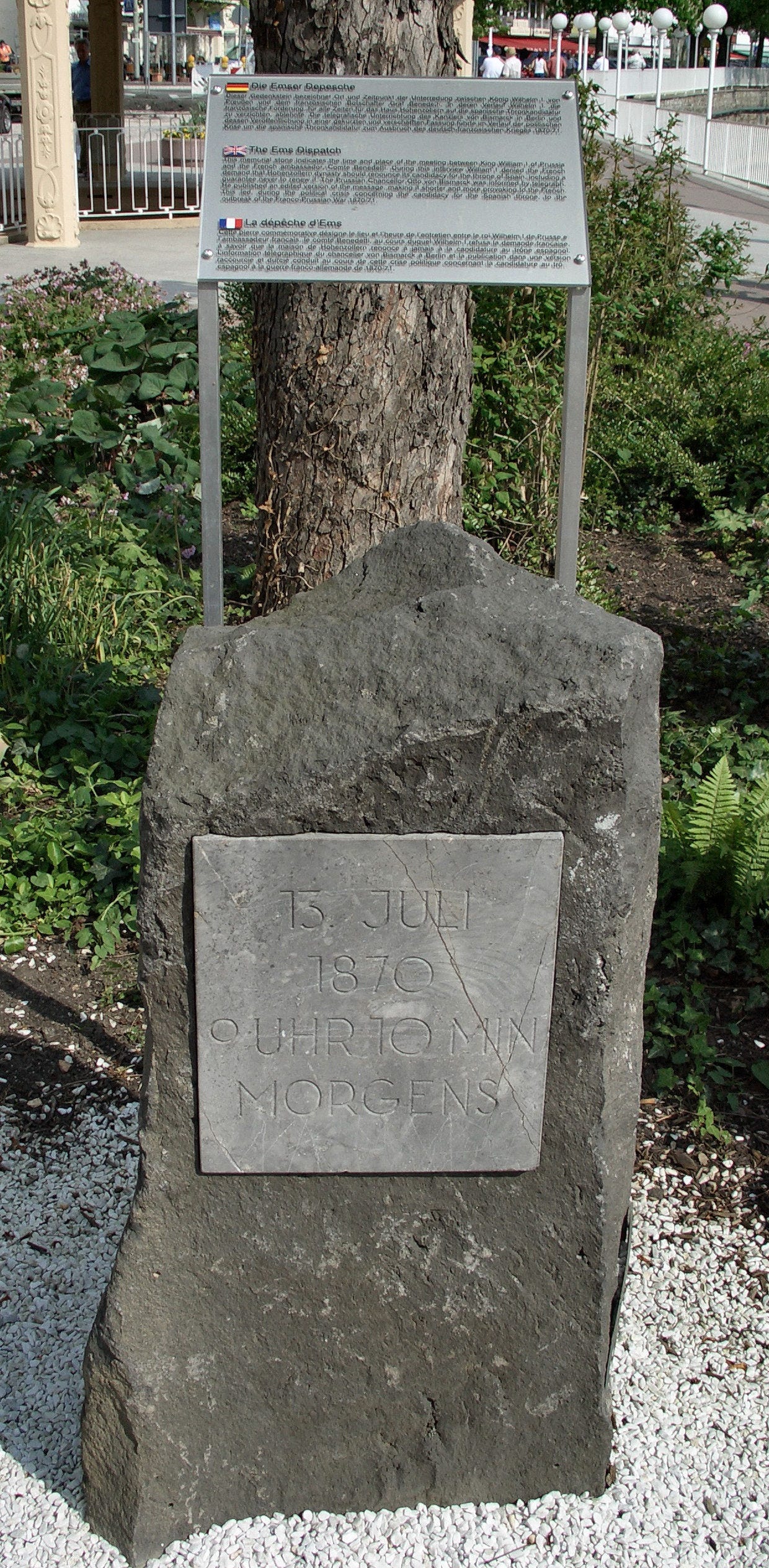
On the evening of July 13, 1870, Otto von Bismarck read a telegram aloud at dinner and shortened it before the night was over. He was head of the government of Prussia, then the strongest of the many German states.
Only two guests sat at his table that evening. They were War Minister Albrecht von Roon and Chief of Staff Helmuth von Moltke, the men who ran the Prussian army.
The telegram, later called the Ems dispatch, came from Ems, a spa town where King William I of Prussia had received France's ambassador Vincent Benedetti that same day. Their quarrel was over Spain, whose crown had been offered to a prince of the Hohenzollern family, which also ruled Prussia.
The candidacy had been dropped the day before. Benedetti now asked the king to promise that no Hohenzollern would ever seek that throne again. William politely refused, and a report of the meeting went by telegraph to Bismarck.
Bismarck cut the courtesies out of the report, so that each man seemed to have insulted the other. In his memoirs he wrote that the new text would have "the effect of a red rag upon the Gallic bull."
He gave it to the press on July 14, and it inflamed opinion in Paris as well as in Berlin. France, ruled by Emperor Napoleon III, declared war on July 19. The war drew the southern German states to Prussia's side and ended in the unification of Germany, without Austria.
At a Glance
Sent from: Ems, a spa town where King William I met the French ambassador
Date: July 13, 1870, published July 14
Edited by: Otto von Bismarck, head of the Prussian government
What he changed: He cut the courtesies, so that each side seemed insulted
What followed: France declared war on July 19, 1870
11. Margery Brews's Valentine (1477)
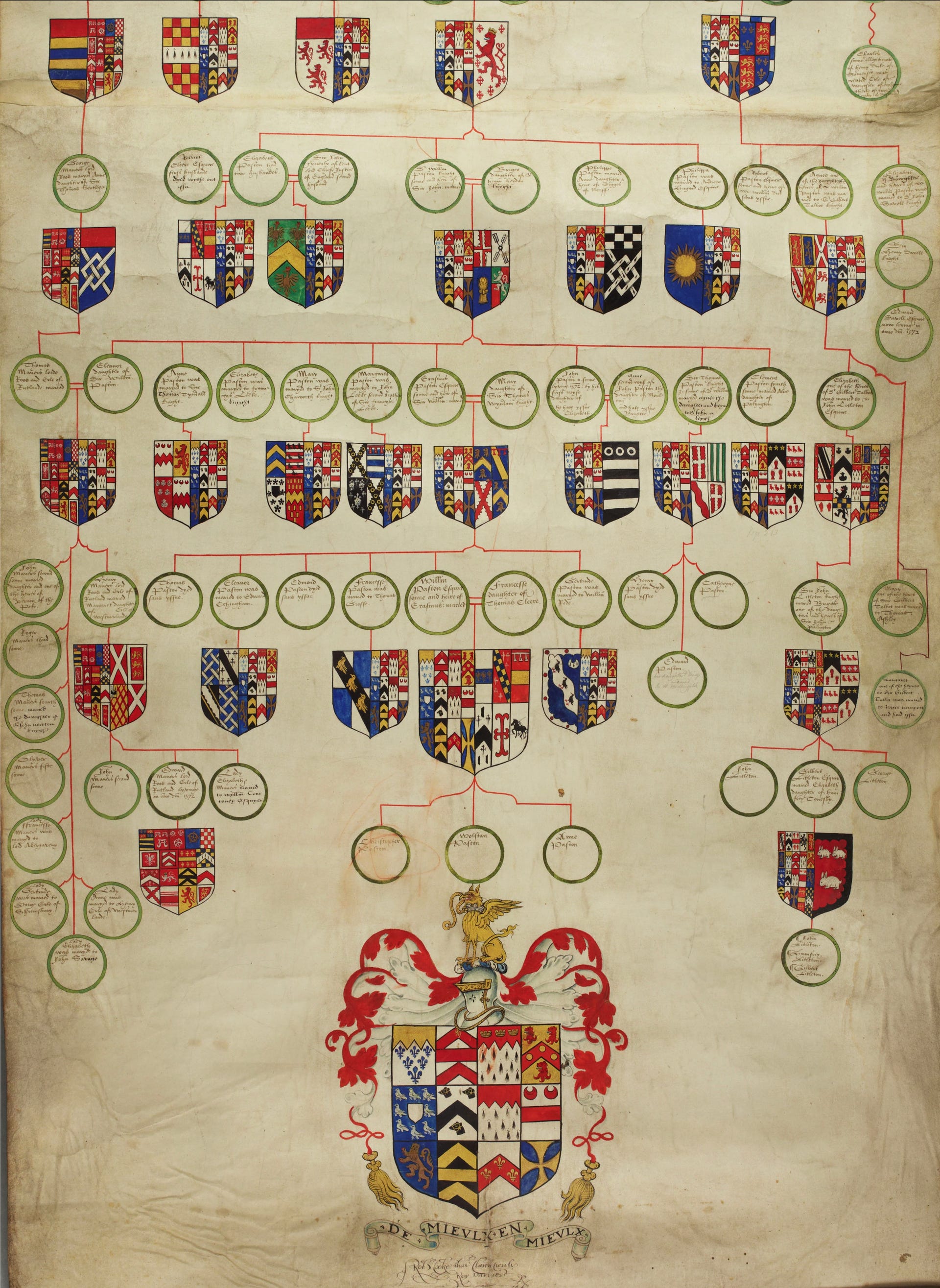
In February 1477, Margery Brews, a young woman from Norfolk in eastern England, dictated a letter to John Paston, whom she wanted to marry. Her father had offered a dowry, and John had made it clear that it was not enough. What could a daughter write to change his mind?