
In 1992, Princeton University Press published a book by the scholar Karl Guthke that studies invented last words alongside authentic ones. The two are hard to tell apart, because a deathbed sentence survives only if someone else writes it down. Sometimes that happens the same day, sometimes a century later. Who heard the words, and how long they took to reach paper, decides how far they can be trusted.
Cool Stories About History is a newsletter to learn history the fun way.
Join free and get:
6 new stories a month, straight to your inbox
The full archive of stories
Comment, ask questions, and chat with other readers
How These Were Chosen
Last words, in the sense used here, are the last words a dying person is reported to have spoken or composed. That leaves room for a short poem, left by a poet in his final days, and for a sentence spoken on the eve of an execution.
When a famous line turns out to be invented, misheard or said earlier, the real version comes with it. One story covers two men who died on the same day, and the names climb from the least familiar to the most famous.
12. Lawrence Oates (1912)
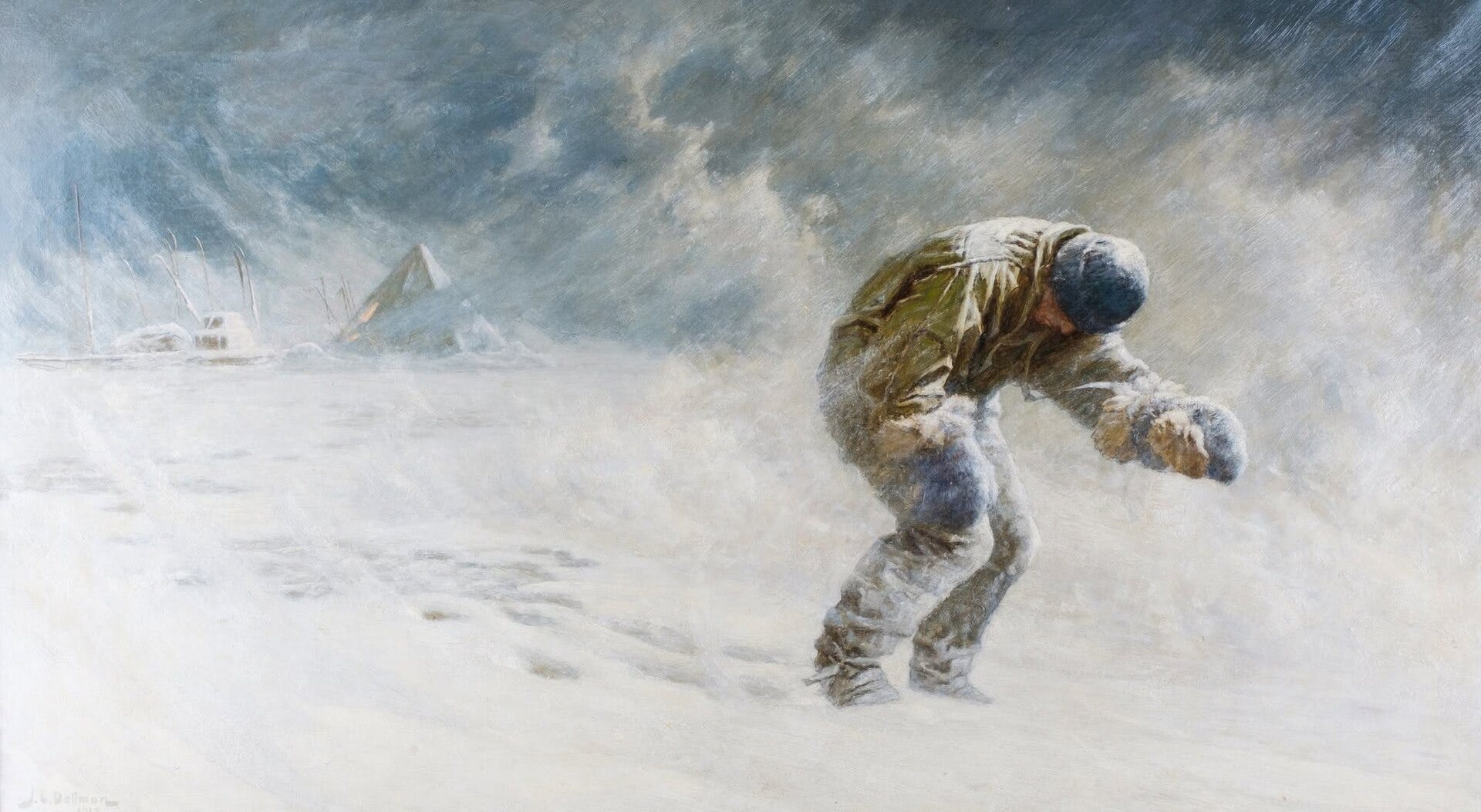
In March 1912, a British cavalry officer named Lawrence Oates was dragging himself across the ice of Antarctica with three companions. They were coming back from the South Pole, and he was holding them up. His last words survive only because one of those companions kept a diary.
Oates was a captain in the 6th Inniskilling Dragoons and had volunteered for the British Antarctic Expedition, led by the explorer Robert Falcon Scott. He was one of the five men who reached the Pole. On the way back, his feet and then his hands were destroyed by frostbite.
Scott's diary follows his decline day by day. First Scott called him "a terrible hindrance," though one who did his utmost. A few days later, on March 10, he wrote that Oates "must know that he can never get through."
At lunch one day, Oates said he could not go on and asked to be left in his sleeping bag, but the others got him moving again. That night he was worse. Scott, who had lost count of the days, dated his next entry "Friday, March 16 or Saturday 17," and the 17th was Oates's 32nd birthday.
In that entry, Scott wrote that Oates said "I am just going outside and may be some time," and walked into a blizzard. He was not seen again, and Scott added, "We knew that poor Oates was walking to his death."
His sacrifice did not save them. Scott, Edward Wilson and Henry Bowers got within 11 miles of a supply depot before another blizzard pinned them in their tent. Scott's last entry is dated March 29, 1912.
A search party found the tent eight months later, with the three bodies inside. Scott's diary, recovered with them, is the only record of the sentence Oates spoke as he left.
At a Glance
Who: Lawrence Oates, captain in the 6th Inniskilling Dragoons
Died: March 16 or 17, 1912, probably on his 32nd birthday
Place: The ice of Antarctica, on the way back from the South Pole
Last words: "I am just going outside and may be some time."
Heard by: Robert Falcon Scott, Edward Wilson and Henry Bowers, in the tent, recorded the same day in Scott's diary
11. Katsushika Hokusai (1849)
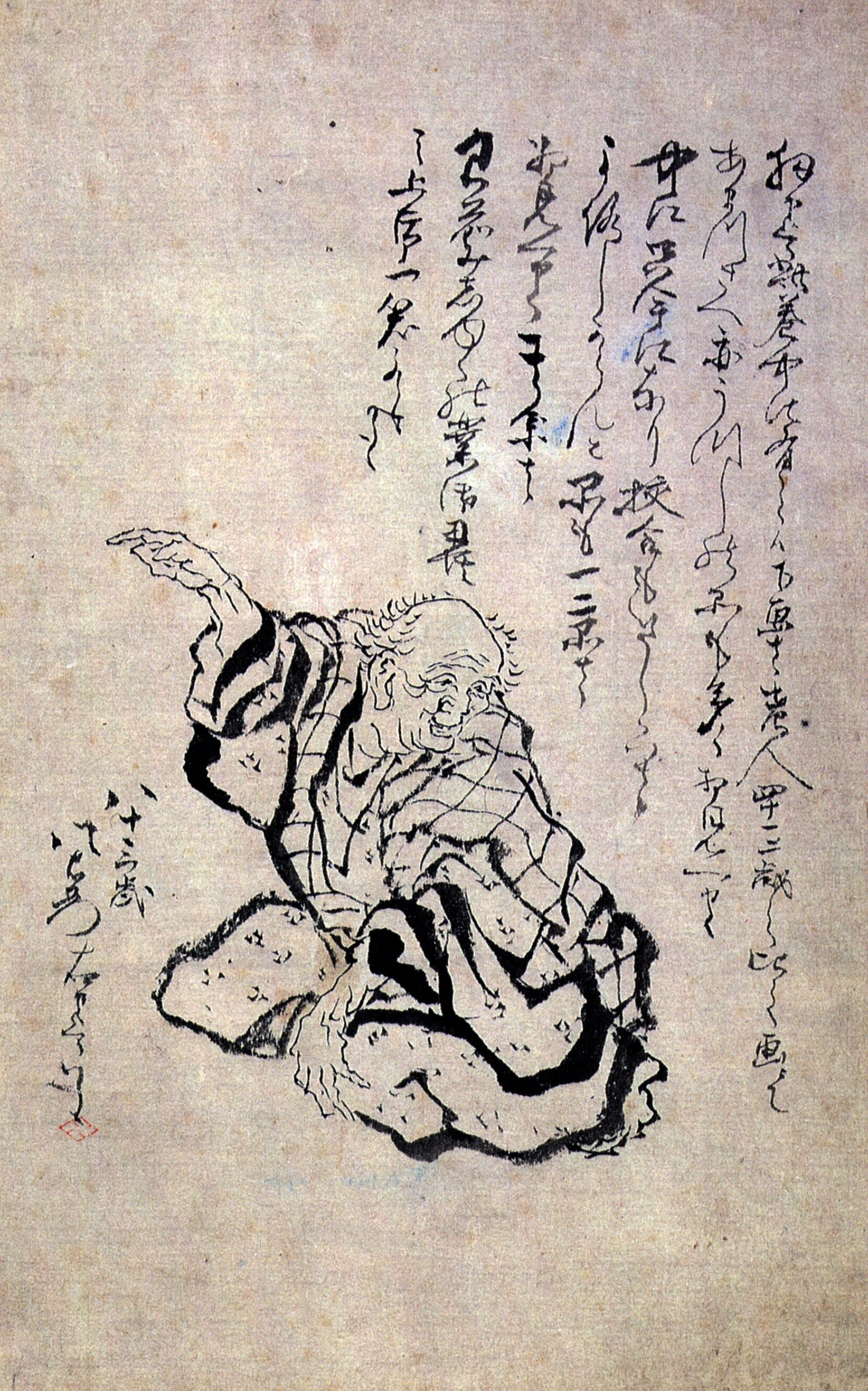
In the spring of 1849, an old man lay dying in a rented house inside the grounds of a temple in Edo, the city now called Tokyo. He was Katsushika Hokusai, the painter and print designer whose picture of a giant wave would later be known around the world. With the people around his bed listening, he asked heaven for more time, and the reason he gave is not the one expected from a man already famous across Japan.