
In 1374, the arms and armor of an English knight were valued at more than £16, and a single helmet was worth about as much as a cow. Money bought the equipment, but it never made the man, because nobody was born a knight. Knights were created by other knights, by lords or sometimes by priests, and real ones fought from Spain to Syria, for Christian and Muslim rulers alike.
Cool Stories About History is a newsletter to learn history the fun way.
Join free and get:
6 new stories a month, straight to your inbox
The full archive of stories
Comment, ask questions, and chat with other readers
How These Were Chosen
Every name here belongs to a real person who fought on horseback in armor, between the 11th and the 16th centuries. King Arthur, Lancelot and the other heroes of legend are left out, though one of the twelve wrote a long book about them.
Each life can be followed in records, tombs, objects or writings from its own time, and some of the stories come from the knights' own memoirs. One of the twelve was a Muslim, and another served Muslim kings for nearly ten years. The order climbs toward the best-known name.
12. Usama ibn Munqidh (1095 to 1188)
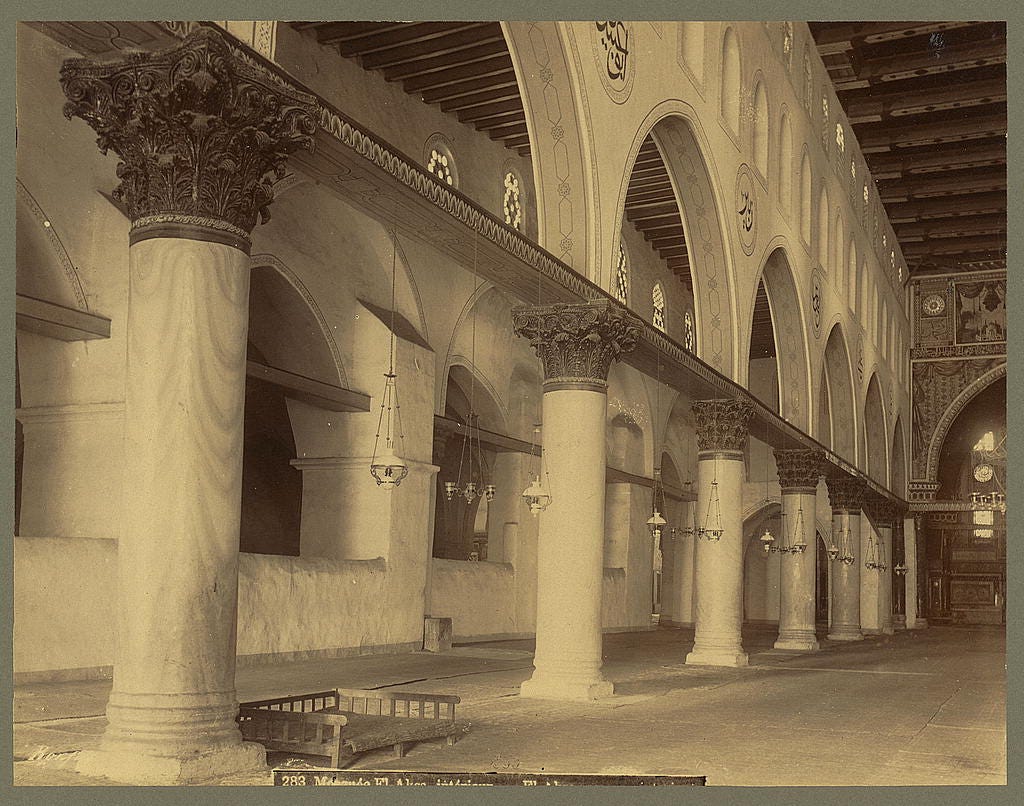
A Muslim knight was saying his prayers in the Aqsa Mosque in Jerusalem when a stranger grabbed him and twisted his face toward the east. The knight was Usama ibn Munqidh, a Syrian warrior and writer born in 1095.
Usama was a knight in the old sense of the word, a noble who fought fully armed on horseback. Crusaders from western Europe, whom he called the Franks, had taken Jerusalem when he was a small boy, and they now held the mosque.
The direction was the whole point of the attack. Muslims pray facing Mecca, which lies to the south of Jerusalem, while the Christians of that time turned to the east to pray.
The man who seized him was a Frank who had just arrived in the East. As he forced Usama's head around, he shouted, "This is the way you should pray!"
Help came from the Franks themselves. The Templars, an order of fighting monks who occupied the mosque, were Usama's friends. They let him pray there, and they threw the newcomer out.
His respect for the Franks went only so far. In Usama's eyes, God saw them "as animals possessing the virtues of courage and fighting, but nothing else."
Late in his long life, Usama fought alongside Saladin, the Muslim ruler who united Egypt with Syria and took Jerusalem back from the Franks. He lived to see that victory, died in 1188 at about 93, and left an autobiography in Arabic that reached English readers in 1929.
At a Glance
Who: Usama ibn Munqidh, a Syrian Muslim knight and writer
Born: 1095
Prayed in: The Aqsa Mosque in Jerusalem, under crusader rule
Fought alongside: Saladin, late in life
Died: 1188, at about 93, leaving an autobiography in Arabic
11. Sir John Hawkwood (About 1320 to 1394)
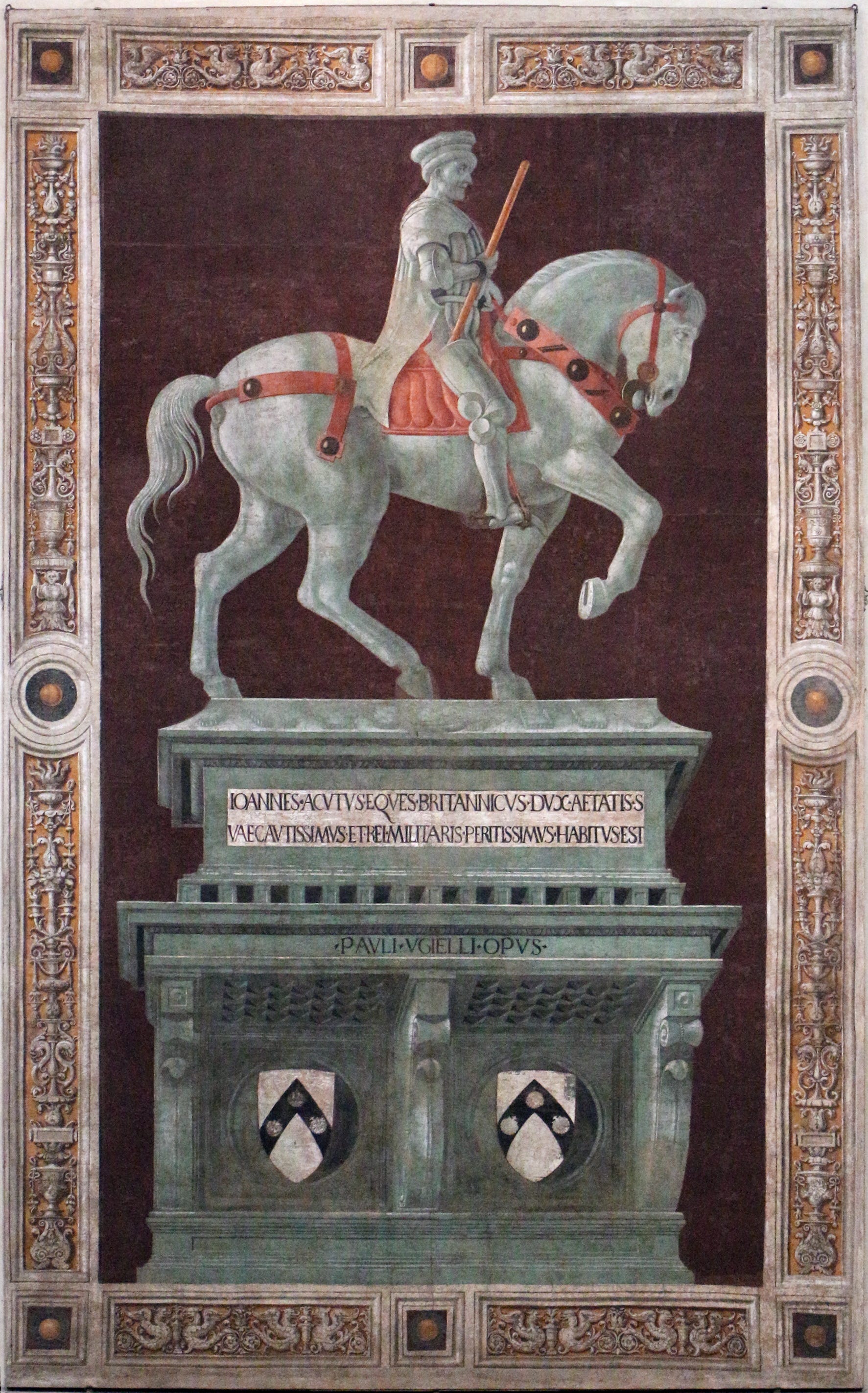
Sir John Hawkwood, an English tanner's son, became the most feared hired captain in Italy and died in Florence in March 1394 as commander of its army. Florence gave him a grand funeral in its cathedral, yet today the cathedral holds neither his body nor a stone tomb. All that marks him there is a horseman painted on a wall, so where did the hero of Florence go?