
English gained the word kidnap in 1682, probably cut down from kidnapper, which joined kid to napper. Kid meant a child, and napper was an old word for a thief. The crime is far older than the word, and its victims were never only children. Twelve real cases, from the fifth century to the twentieth, follow captives from the moment they were seized to the lives they led afterward.

Cool Stories About History is a newsletter to learn history the fun way.
Join free and get:
6 new stories a month, straight to your inbox
The full archive of stories
Comment, ask questions, and chat with other readers
How These Were Chosen
Each of the twelve cases involves a real person seized by force or by trick and held against his or her will. Often the captors demanded a ransom, a price paid for the captive's return.
Some captors wanted money and others a hostage or a slave. Some wanted a prisoner to put on trial, a child to raise in another faith or an opponent out of the way.
The cases run from the least known kidnapping to the most famous. What counts is how well the kidnapping itself is remembered in America, even when the captive is a saint or a king.
12. Kim Dae-jung (1973)
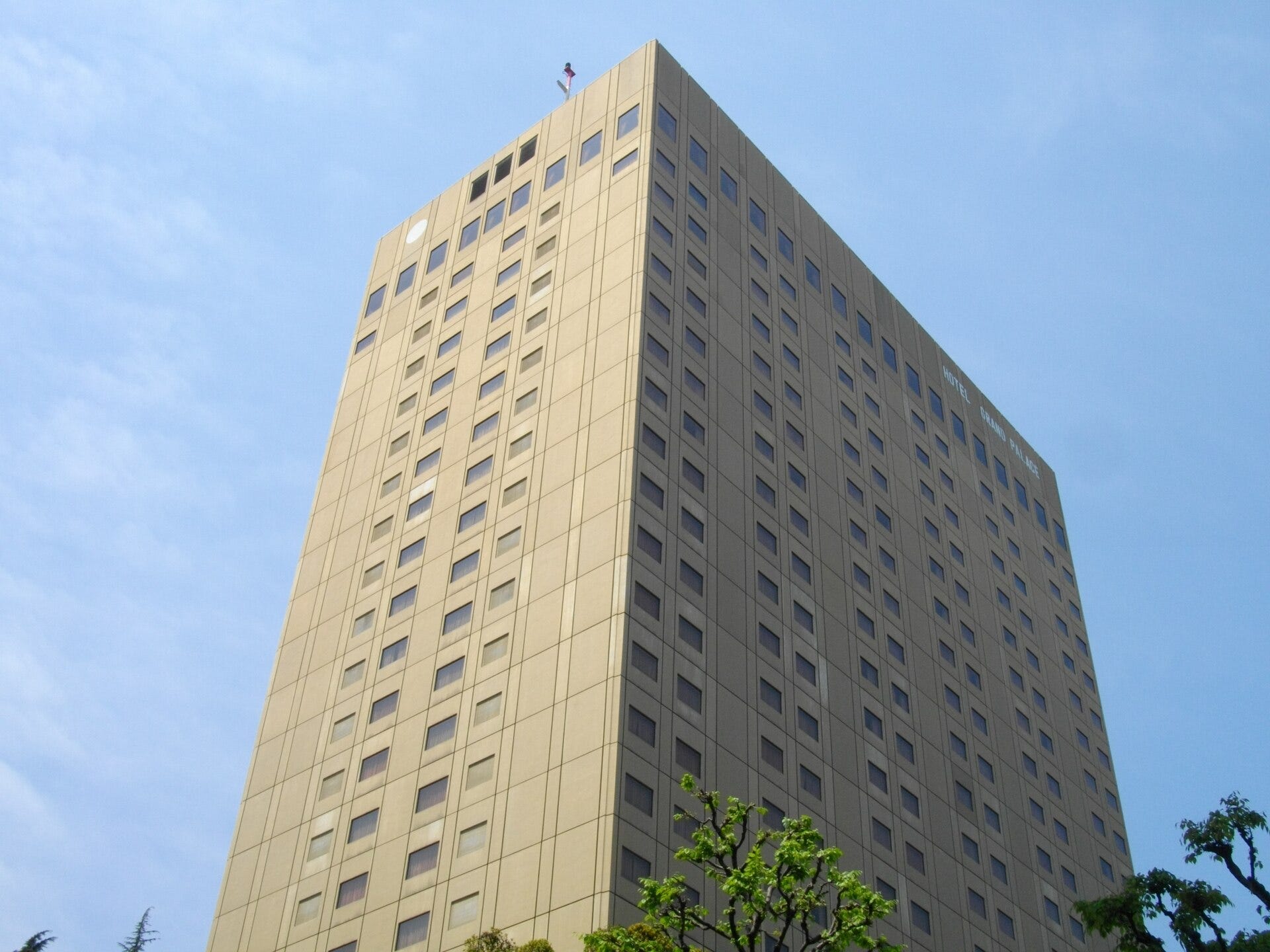
In August 1973, Kim Dae-jung was seized in his hotel room in Tokyo and carried to a boat anchored along the shore. There his captors tied him up and blindfolded him.
Kim was South Korea's best-known opposition leader, and he was living in exile in Japan. Two years earlier he had run for president against Park Chung Hee, the man in power, and lost with more than 46 percent of the vote.
The men on the boat were agents of the KCIA, the Korean Central Intelligence Agency, which served Park's government. Their plan was to "eliminate" him.
Kim later said that as they were about to throw him overboard, Jesus Christ appeared before him. At that moment, in his words, "an airplane came down from the sky to rescue me from the moment of death." He did not say whose plane it was.
The men did not throw him into the sea. A week later, after swift and strong reactions from the United States and Japan, he was set free in Seoul, the South Korean capital. He was placed at once under house arrest.
In May 1980 he was jailed again on charges of treason, and that November a military court sentenced him to death. The sentence was cut to life in prison, then to 20 years, and in December 1982 he was allowed to leave for the United States.
In December 1997, South Koreans elected the man once tied up on that boat as their president. Three years later he received the Nobel Peace Prize, in part for his work for peace and reconciliation with North Korea.
At a Glance
Who: Kim Dae-jung, South Korean opposition leader in exile
Taken: August 1973, released a week later
Place: A hotel in Tokyo, a boat, then Seoul
Taken by: Agents of the KCIA, South Korea's intelligence service
What came next: A death sentence in 1980, later reduced, the presidency in 1997, the Nobel Peace Prize in 2000
11. Sun Yat-sen (1896)

On October 11, 1896, a Chinese doctor in exile named Sun Yat-sen was seized in a London street and locked inside China's diplomatic mission, the legation of the Qing empire. A year earlier he had led a failed uprising against that empire, and his captors meant to ship him home to face execution. Shut in a room in the middle of London, how could he let anyone know where he was?