
For most of history, a judge had to decide who a man was without fingerprints or photographs, mostly from what witnesses said. Even in the 19th century, carrying government identification was not yet routine, and the police had few reliable ways to check a stranger's identity. That left room for imposters, and a few kept up a false identity for decades.
Cool Stories About History is a newsletter to learn history the fun way.
Join free and get:
6 new stories a month, straight to your inbox
The full archive of stories
Comment, ask questions, and chat with other readers
How These Were Chosen
An imposter, also spelled impostor, is someone who takes on a false identity or title in order to deceive. Seven of these twelve claimed to be a person believed dead or lost.
The other five invented a character or borrowed the name of a living man, from a princess of an imaginary island to a navy surgeon.
The cases run from Persia in 522 BC to a DNA test in 1994. Each one left records that still survive. They climb from the most obscure to the best known.
12. Gaumata, the False Bardiya (522 BC)
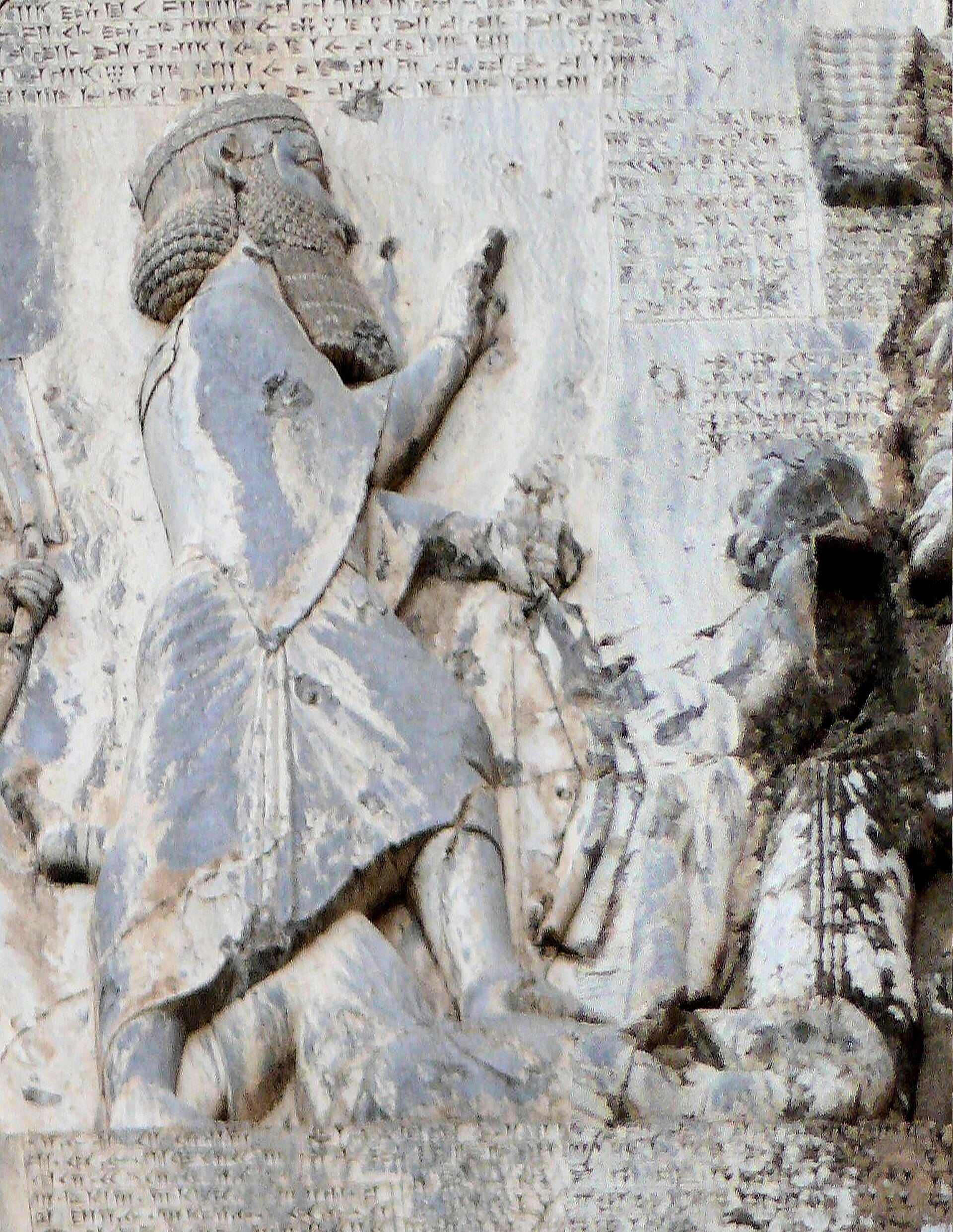
One night in 522 BC, one of the wives of the king of Persia waited for him to fall into a deep sleep. Then she reached out in the dark and felt for his ears. If he had none, the man beside her was not the king at all.
The man on the throne said he was Bardiya, a son of Cyrus the Great and the younger brother of King Cambyses II. In the account of the Greek historian Herodotus, the real Bardiya was already dead. Cambyses had dreamed of his brother on the royal throne and had him killed in secret.
In March 522 BC, while Cambyses was away in Egypt, a priest who looked very much like the dead prince took the throne in his name. Persian records call him Gaumata, a magus, one of a clan of priests whose name gave English the word magic. Cambyses never came home: in Syria, his own bare blade pierced his thigh as he leapt onto his horse, and the wound killed him.
The new king won people over by excusing them from military service and taxes for three years. He also kept out of sight. A noble named Otanes noticed that he never left his citadel and never summoned any leading Persian.
Otanes's daughter Phaedyme was one of the king's wives, but she could not compare notes with the others. The king had sent each wife to live apart. Her father knew that Cyrus had once cut off the ears of that same magus, so Phaedyme risked her life, found no ears and sent word in the morning.
Otanes gathered six other nobles, among them Darius, who had served in the bodyguard of Cambyses. In September 522 BC they cornered the king in a dark room, where Darius held back for fear of stabbing his friend Gobryas, who was wrestling the magus. Gobryas told him to strike "even if it goes through us both," and Darius struck the magus.
Darius became king and had his version carved in three languages on a cliff at Bisitun, in western Iran. He came from a side branch of the royal family and had little claim to the throne. An imposter was the perfect excuse for his coup, and the man killed in the dark room may have been the real son of Cyrus.
At a Glance
Who: Gaumata, a magus, or Persian priest
Claimed to be: Bardiya, son of Cyrus the Great and brother of King Cambyses II
When: March to September 522 BC
Where: The Persian Empire
How it ended: According to Herodotus, exposed by a wife who found he had no ears, then killed by Darius and six other nobles
11. The Bhawal Sannyasi (1921 to 1946)

In 1921, a half-naked holy man smeared with ash sat down on the riverside embankment of Dhaka, in the east of British-ruled Bengal. Passers-by began to say that he was Ramendra Narayan Roy, a prince of the vast Bhawal estate nearby, who had been cremated twelve years earlier. Was this wandering ascetic really the prince, back from his own funeral?