
For most of history, armies marched and messages traveled at the speed of a horse, and almost none of those animals left a name. The few that did were remembered because a person rode them, owned them or needed them, and some of their stories grew in the retelling. A handful can still be seen in museums today, while others vanished without a trace.
Cool Stories About History is a newsletter to learn history the fun way.
Join free and get:
6 new stories a month, straight to your inbox
The full archive of stories
Comment, ask questions, and chat with other readers
How These Were Chosen
Every horse here really lived, and each one is tied to a moment that can be dated, whether a battle, a race, a ride or a crime. Horses from myths and novels were left out.
Five of them served in a war or on a night of danger, five were racehorses, and two are remembered for stranger reasons, with the best known kept for last.
12. Cortés's Lame Horse, Tayasal (1525)
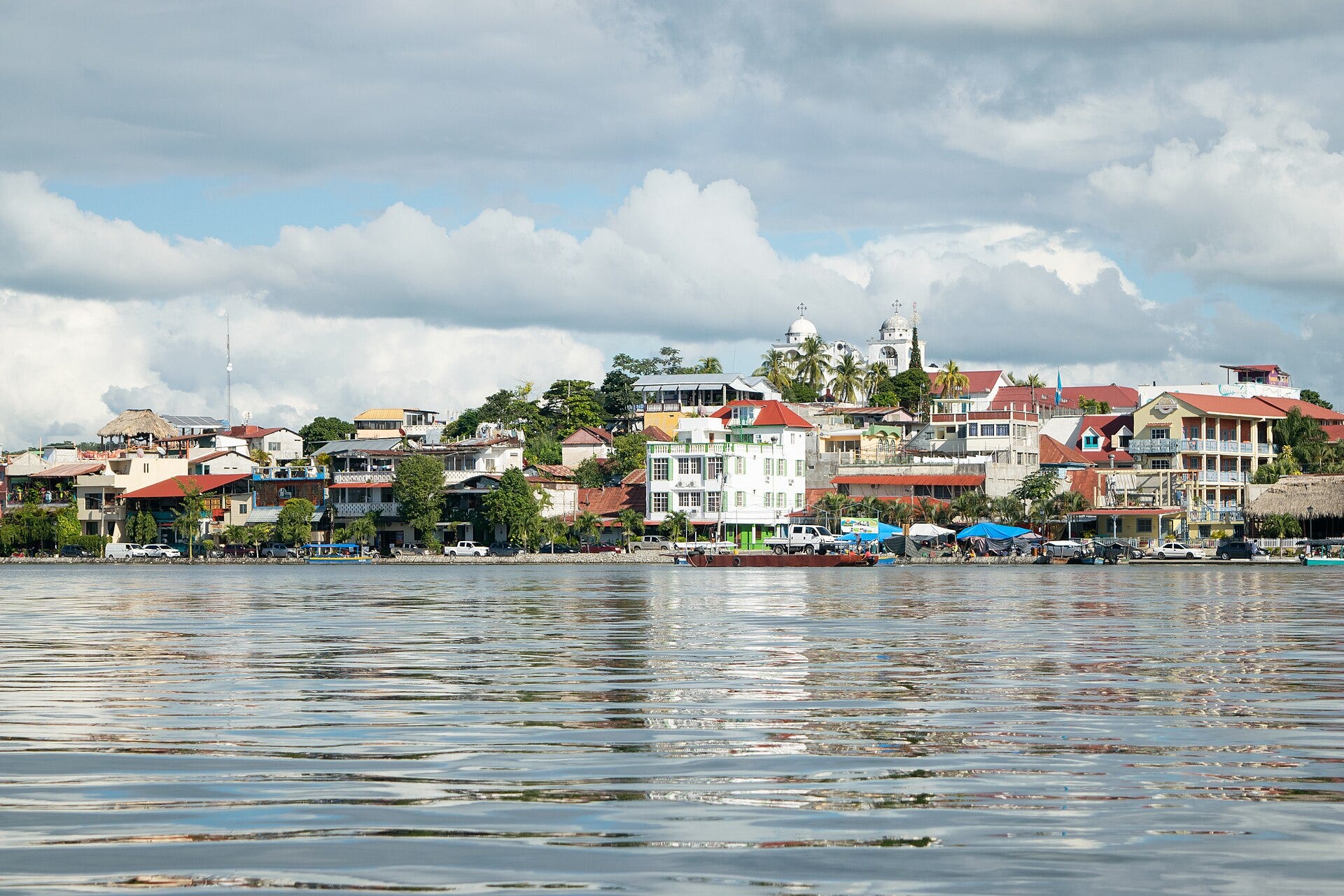
The god in the temple was a horse. In 1618 a Spanish friar walked into a temple in Tayasal, an island city in northern Guatemala, and found its people praying to a statue of one.
The Itza Maya who lived there had never seen a horse until Hernán Cortés came through in 1525. The conqueror of Mexico was marching overland to Honduras to punish a captain who had rebelled against him.
One of his horses had gone lame and could go no farther. Cortés left it with the Itza king and promised to come back for it or to send for it.
The Itza treated the animal as a god. They offered it fowl, meat and flowers, food a horse does not eat, and Cortés's lame horse died.
Afraid of being blamed when the Spaniards returned, they made a statue of the horse and worshiped it under the name Tzimin Chac, the thunder horse. Cortés never came back for it.
Ninety-three years later, the friar Juan de Orbita and a companion arrived to convert the Itza peacefully. The king welcomed them, but when Orbita saw the horse god standing in its temple, he smashed it.
The Itza were furious, and only his companion's preaching calmed them enough for the friars to leave on friendly terms. Five years later, the Itza killed a Spanish priest and the men traveling with him, and the killings were reportedly blamed on Orbita and the broken horse.
At a Glance
Horse: A lame horse left behind by Hernán Cortés
Dates: 1525, and 1618
Place: Tayasal, an island city in northern Guatemala
Worshiped as: Tzimin Chac, the thunder horse
What became of it: The horse died, and the friar Juan de Orbita smashed its statue in 1618
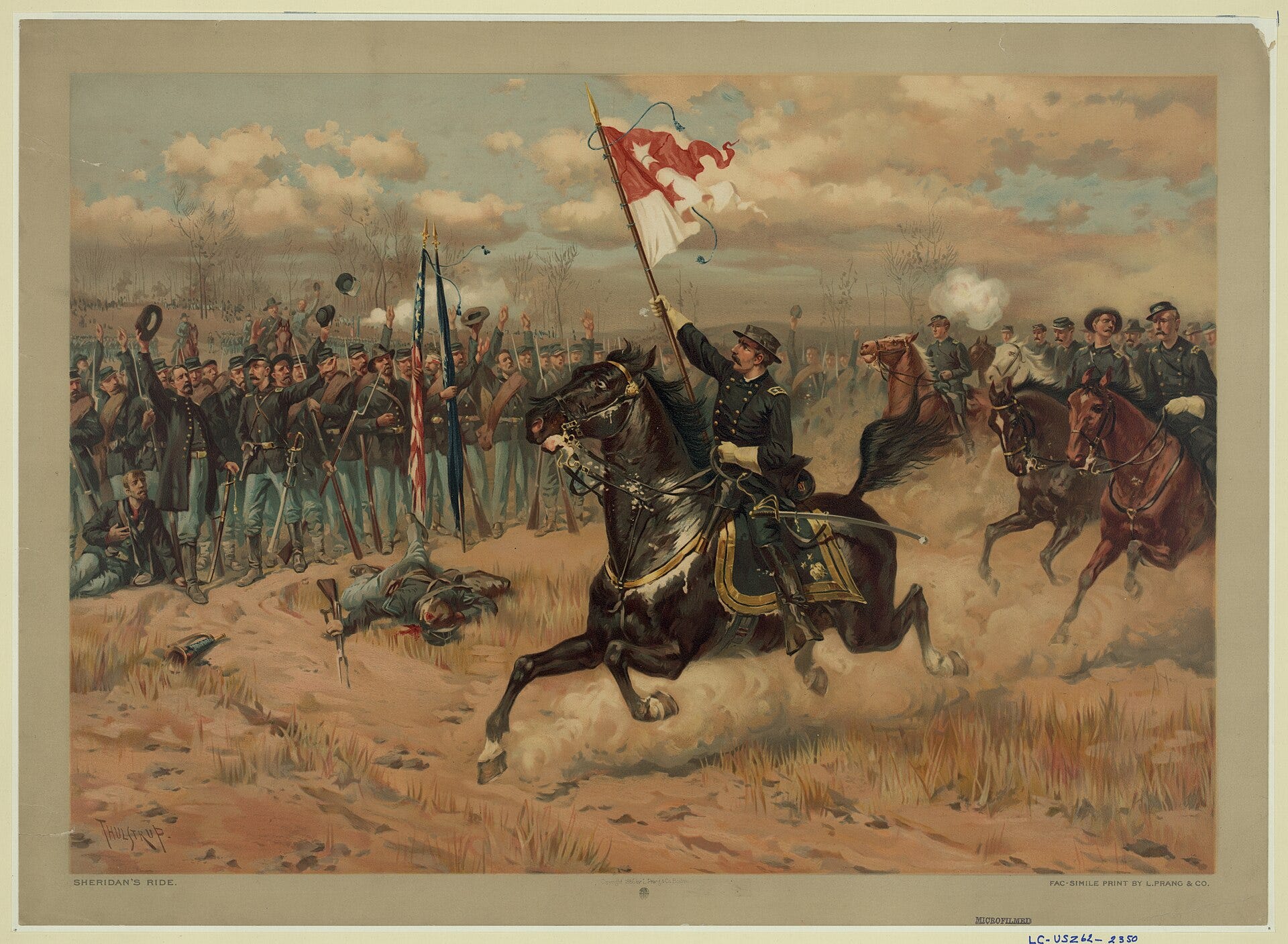
11. Rienzi, Sheridan's Horse (1864)
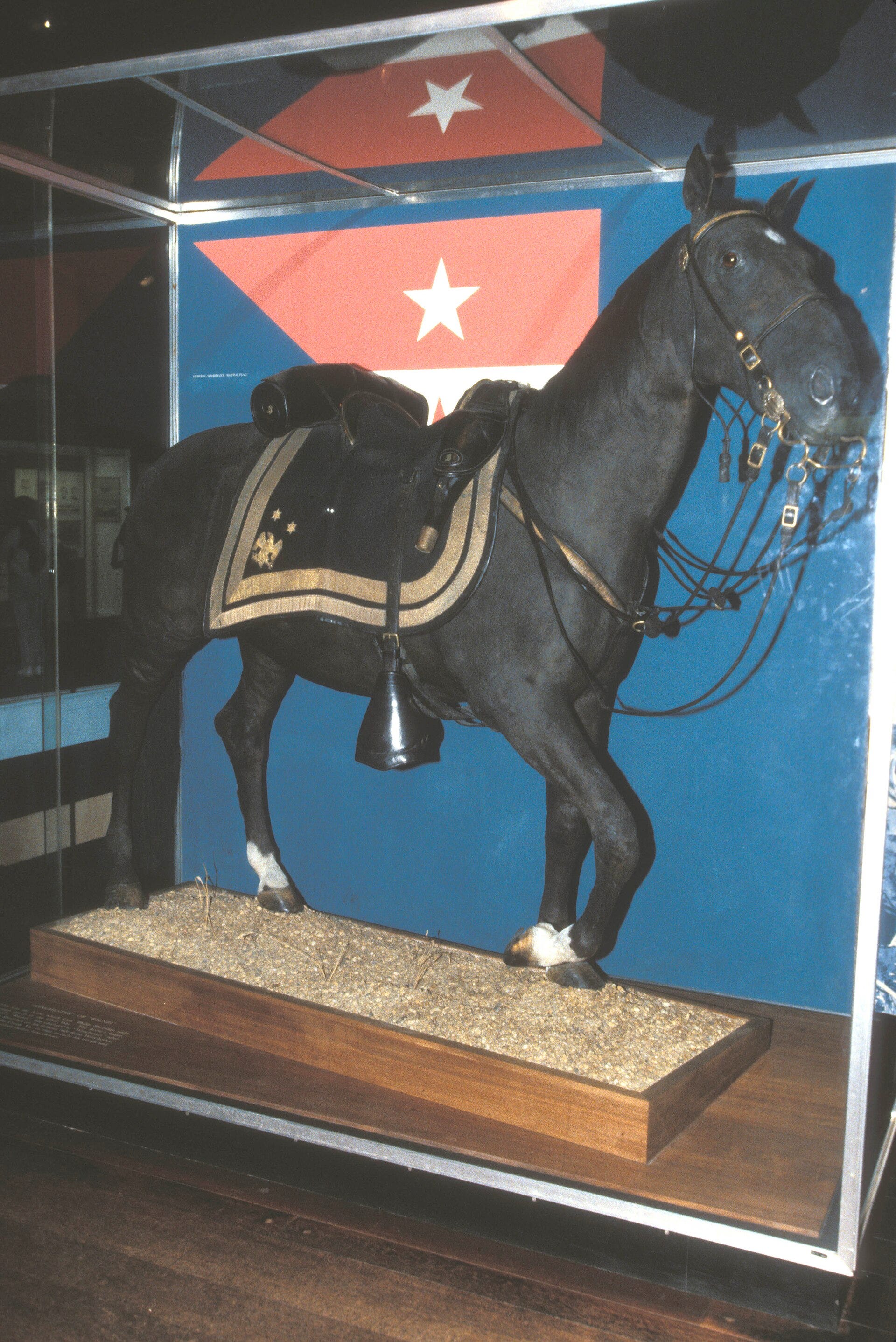
Philip Sheridan was about 12 miles from his army when it was taken by surprise at Cedar Creek in Virginia. The Union commander was in the town of Winchester on October 19, 1864, and the fastest way to the battle was on his black horse, Rienzi. Could one rider get there in time to turn a lost battle around?