
A forged document gave the popes the right to rule Rome and the West, and it held for close to seven centuries. Other fakes collapsed within a few weeks. The famous ones all had someone the public trusted vouching for them, and every one was found out in the end.
Cool Stories About History is a newsletter to learn history the fun way.
Join free and get:
6 new stories a month, straight to your inbox
The full archive of stories
Comment, ask questions, and chat with other readers
How These Were Chosen
Each of the twelve cases was a deliberate deception, believed by real people, and the truth about each one later came out, through an investigation or a confession. Imposters, who pass themselves off as another person, are a different kind of fraud and are left out.
Together the cases span more than twelve centuries, from a churchman's forgery in Rome in the 750s to a dig in Japan in 2000.
The order is a judgment about fame in the United States. It starts with the case an American is least likely to know, a poet invented in wartime Australia, and ends with the most famous, Piltdown Man.
12. Ern Malley, the Poet Who Never Lived (1944)
Max Harris was 22 and already the editor of an avant-garde magazine in Melbourne, Angry Penguins, when a letter reached him from Sydney in 1943. His magazine championed modernist poetry, which broke with rhyme, regular meter and plain meaning.
The letter came from a woman named Ethel Malley. "When I was going through my brother's things after his death I found some poetry he had written," she explained.
Her brother Ern Malley, she wrote, had died of a thyroid illness on July 23, 1943, at the age of 25. Harris read the poems and called him "one of the most remarkable and important poetic figures of this country." In 1944 he gave the dead poet 35 pages of the magazine, under the title "The Darkening Ecliptic."
Then Sydney's Sunday Sun announced on its front page that neither Ern nor Ethel had ever existed. Two conservative poets, James McAuley and Harold Stewart, had invented them both. They wanted to show that the modernists could no longer tell real poetry from nonsense.
The two men are said to have written the whole body of work in a single afternoon. They stitched it together from lines of Shakespeare, a dictionary and a report on mosquito breeding grounds.
The hoax then had a second act. Harris was prosecuted for publishing indecent material, over sexual references in the poems. In September 1944 the prosecutor told the court that those references had been "dragged in by the heels."
Harris was fined £5, or six weeks in prison if he did not pay, plus more than £21 in costs. For years afterward he kept arguing that verses written to be bad were good literature.
At a Glance
Hoaxers: James McAuley and Harold Stewart, two conservative Australian poets
Fooled: Max Harris, 22-year-old editor of Angry Penguins
Invented poet: Ern Malley, said to have died in 1943 at 25
Published: 1944, in Angry Penguins
How it came out: Sydney's Sunday Sun revealed the hoax, then Harris was fined £5 for indecency
11. Shinichi Fujimura, "God's Hands" (2000)
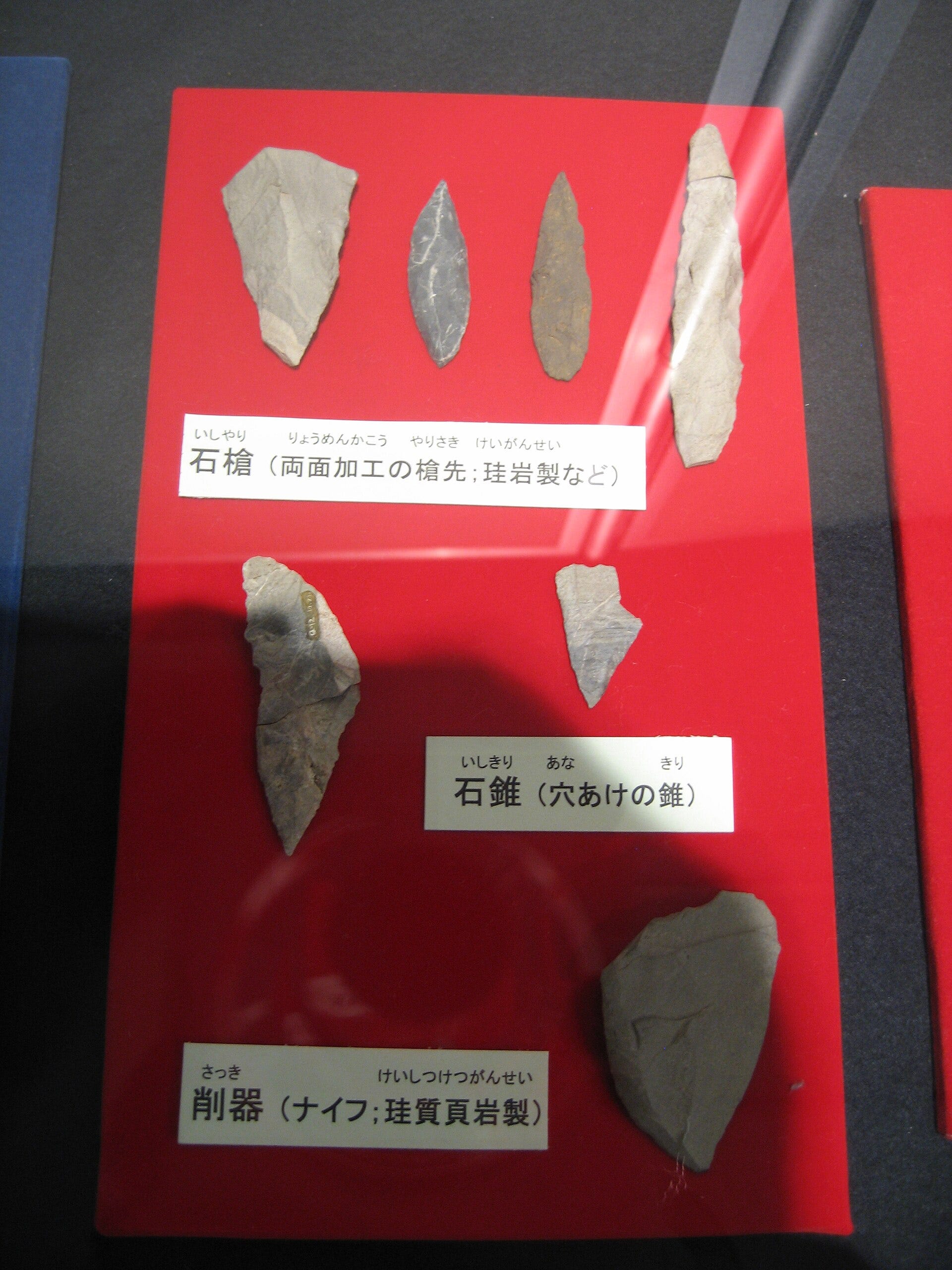
Shinichi Fujimura was a self-taught Japanese archaeologist so good at finding ancient stone tools that his colleagues called him "God's Hands." In 2000 his team announced finds at a site called Kamitakamori, dated to 570,000 years ago. Then a national newspaper put three photographs of him on its front page, and what they showed would force Japan to rewrite its school history books.