
A ghost ship is a vessel found drifting at sea with no crew aboard and, at first, nothing to explain what happened. Abandoning a ship in the open sea is the last thing a captain would order, so an empty deck points to something that went badly wrong. Some have been explained from clues left on board, while others never existed outside sailors' tales and the newspapers that printed them.
Cool Stories About History is a newsletter to learn history the fun way.
Join free and get:
6 new stories a month, straight to your inbox
The full archive of stories
Comment, ask questions, and chat with other readers
How These Were Chosen
In the strict sense, a ghost ship is a real vessel found or seen at sea with no one aboard. Nine of the twelve are ships of that kind, and they run from 1854 to 2013.
The other three are legends, phantom ships that no shipping register has ever listed. Each can be traced to the first time it appeared in print.
The real cases rest on records such as a court hearing in Gibraltar or an Australian coroner's findings. The order goes from a fishing boat few Americans have heard of to the ghost ship nearly everyone knows.
12. High Aim 6 (2003)
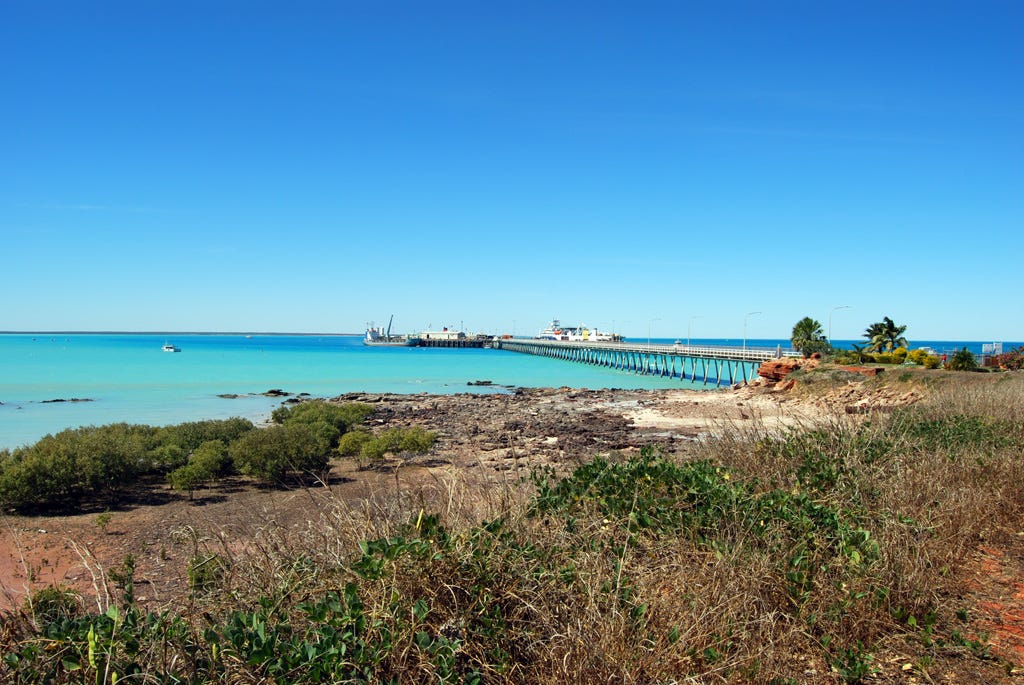
Seven toothbrushes gave the first count of the men missing from the High Aim 6. Australian navy sailors found them on January 8, 2003, when they boarded the empty Taiwanese fishing boat. It was drifting in the Indian Ocean, about 155 miles off the town of Broome, in Western Australia.
The 65-foot boat, registered in Indonesia, had left the port of Liuchiu, in southern Taiwan, on October 31, 2002. In December its owner spoke to the captain by radio telephone. The captain's last reports said he was heading for fishing grounds off the Marshall Islands, in the middle of the Pacific.
After that call the boat fell silent, and the owner asked the US Coast Guard to search. The Coast Guard spotted a life raft near the islands but could not pick it up, so no one could tell whether it came from the High Aim 6.
On board, the Australians found plenty of fuel, food and water, and the crew's belongings. The captain and first mate were Taiwanese, and the seven toothbrushes meant at least five Indonesian sailors as well. There was no sign of a struggle, and no sign that a lifeboat had been launched.
Investigators first suspected the boat had carried migrants hoping for asylum in Australia. But in its hold lay a catch of rotting fish, the proof of a real fishing trip. Pirates seemed unlikely too, since hijackers would almost certainly have taken the boat.
The boat had turned up thousands of miles from the Marshall Islands, and investigators wondered if it had drifted that far empty. Yet when it was first sighted, five days before the boarding, its motor was running and its propeller turning. By the time the navy climbed aboard, the engine was dead and the rudder locked.
A search of more than 9,000 square miles found no trace of the crew. But in early January, phones belonging to the men were used on Bali, the Indonesian island. In mid-January 2003, Australian investigators admitted they were stumped.
At a Glance
Ship: High Aim 6, a Taiwanese fishing boat registered in Indonesia
Date: Left Taiwan on October 31, 2002. Boarded on January 8, 2003
Place: Indian Ocean, about 155 miles off Broome, Western Australia
Aboard: Fuel, food, water, a hold of rotting fish and seven toothbrushes. No crew
What really happened: Investigators were stumped in January 2003. The crew's phones had been used on Bali
11. MV Joyita (1955)
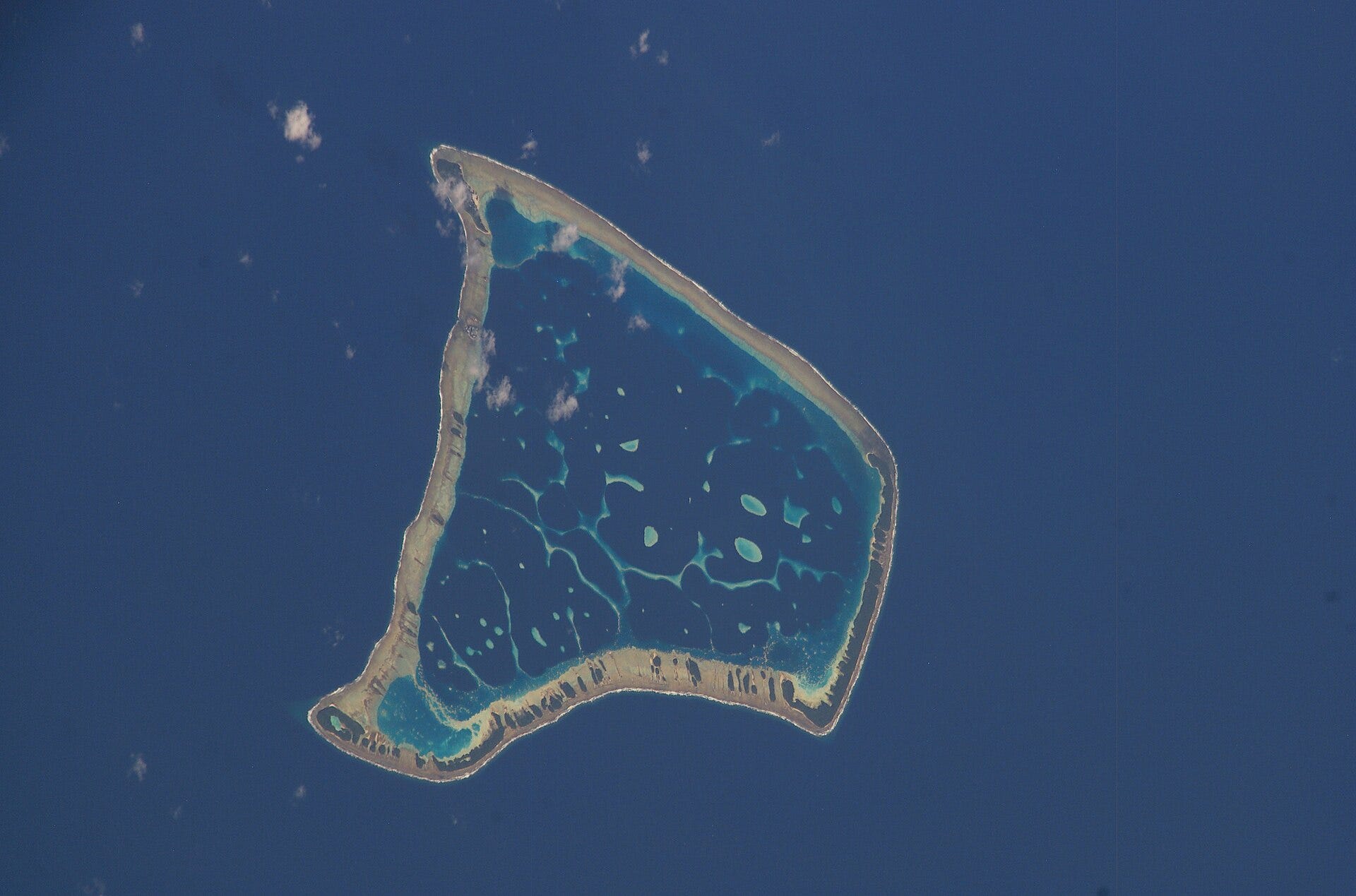
On October 3, 1955, a small motor ship called the Joyita left Samoa, in the South Pacific, on a two-day trip with 25 people aboard. Five and a half weeks later she was found near Fiji, more than 600 miles off course, partly under water and empty. She was lined with cork and could hardly sink, so why had all 25 people left her?