
The flood story most Americans hear first is Noah's, in the Book of Genesis, sent from heaven as a punishment. Real floods have plainer causes. A storm pushes the sea over a low coast, a river leaves its bed after weeks of rain, something people built gives way, or an army cuts the dikes. And sometimes the tank that bursts holds something other than water.
Cool Stories About History is a newsletter to learn history the fun way.
Join free and get:
6 new stories a month, straight to your inbox
The full archive of stories
Comment, ask questions, and chat with other readers
How These Were Chosen
Four of the twelve floods came from the sea, driven ashore by storms. Two came from rivers that left their beds. Five poured out of something people had built, from an ancient dam to a steel tank. One was set loose on purpose, in a war.
They stretch from Yemen around A.D. 570 to the Bay of Bengal in 1970, with the floods best known in America saved for last.
12. The London Beer Flood (1814)
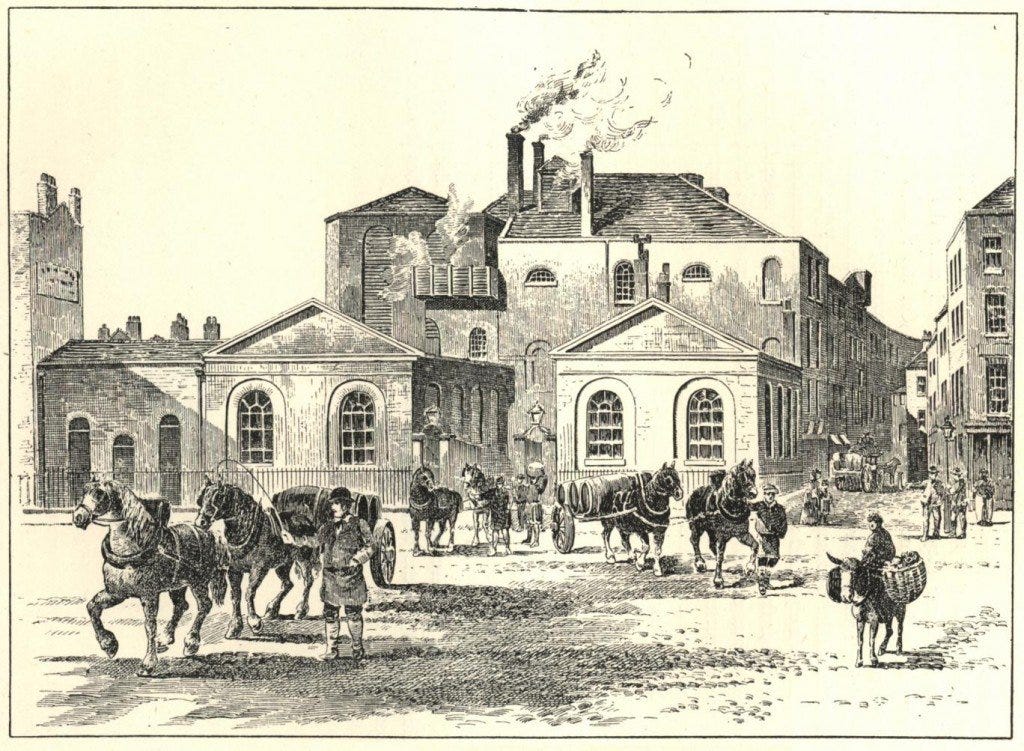
A storehouse clerk named George Crick was the first to see that something was wrong. On October 17, 1814, late in the afternoon, he saw an iron hoop come off a giant vat at the Horse Shoe Brewery in London.
The brewery stood at the corner of Tottenham Court Road and Oxford Street. Its vat rose 22 feet and held thousands of barrels of porter, a dark beer that had been aging inside for ten months.
Hoops had come off before without harm, so Crick only wrote a note to Mr. Young, one of the partners. He still had it in his hand when the vat burst.
It split open with the force of an explosion and knocked the tap off the vat beside it. The beer broke through the brewery's back wall, and the London Beer Flood rolled into New Street, in the slum of St Giles, as a wave 15 feet high.
An American caught in the street described it: "All at once, I found myself borne onward with great velocity by a torrent." Most of the dead were women and children, because the men and the working boys were away at their jobs.
Hannah Bamfield, about 4 years old, was having tea with her mother at home on New Street when the wave struck, and she was killed. In a cellar nearby, an Irish family was holding a wake for a two-year-old boy, and five of the mourners died around his body.
Eight people died in all. At the inquest, the jury found that the eight had died "by casualty, accidentally and by misfortune," and the families received nothing from the government or the brewery. Parliament, for its part, refunded the brewery the tax it had already paid on the lost beer.
At a Glance
Who: George Crick, a storehouse clerk, and Hannah Bamfield, about 4
Date: October 17, 1814, late afternoon
Place: The Horse Shoe Brewery, Tottenham Court Road, London
Toll: Eight people
Aftermath: A verdict of accident, and a tax refund for the brewery
11. The Grote Mandrenke and Rungholt (1362)
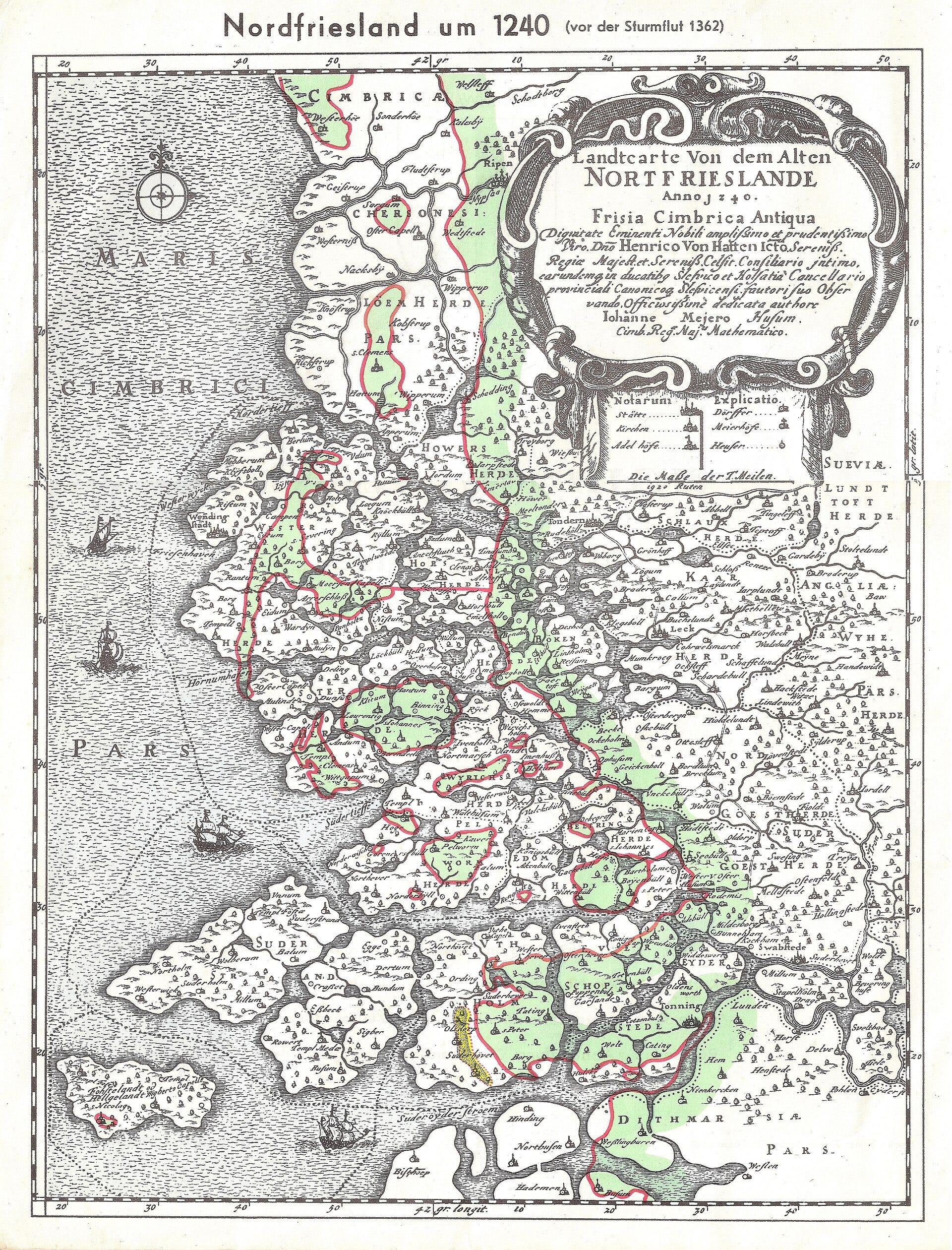
Legend says the North Sea swallowed the rich trading port of Rungholt in January 1362, to punish its people for their sins. The storm that night is remembered as the Grote Mandrenke, the "Great Drowning of Men." For more than a hundred years, researchers searched for the town, and the question kept coming back: had there ever been a Rungholt to drown?