
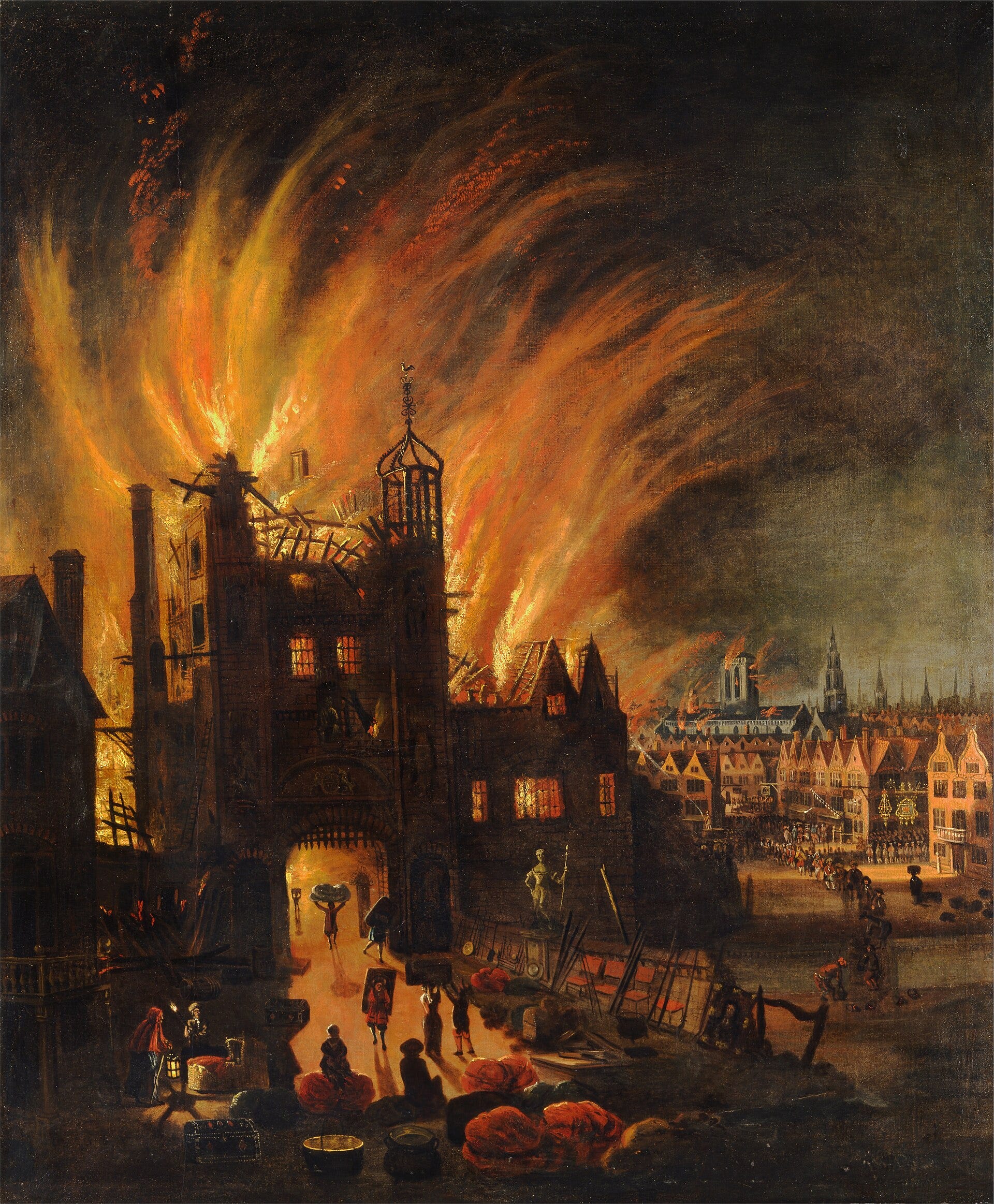
For most of history, a city on fire could be saved in only one way. People pulled down the houses in front of the flames, so that the fire would reach open ground with nothing left to burn. When that failed, the fire took whatever stood in its path, sometimes in a single night. A few of those disasters were followed by new laws on exits, streets and factories.
Cool Stories About History is a newsletter to learn history the fun way.
Join free and get:
6 new stories a month, straight to your inbox
The full archive of stories
Comment, ask questions, and chat with other readers
How These Were Chosen
Each fire here destroyed something with a name: a town, a palace, a library or a theater. A forest fire made the cut only when it wiped out a town, as the one at Peshtigo did.
None burned after 1950, so the great wildfires of recent decades are left out. Four of the twelve were set on purpose, and in a fifth an emperor was suspected.
The fires run from the least known to the most famous. Peshtigo comes first because it burned on the same night as a far more famous fire.
12. The Peshtigo Fire (1871)
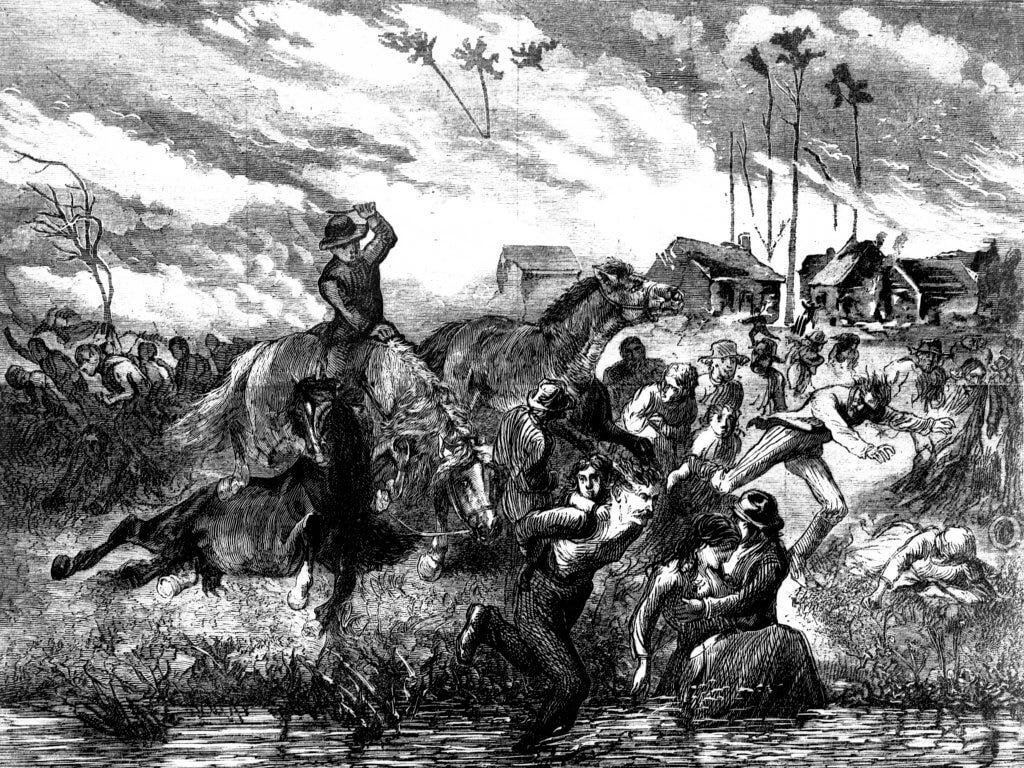
Late on the night of October 8, 1871, a Catholic priest named Peter Pernin was running toward the river in Peshtigo, Wisconsin. Peshtigo was a lumber town near Green Bay, and the forest around it was on fire.
The region had gone through a drought without precedent. That night, small fires in the woods merged into larger ones, driven by winds as strong as a hurricane. The wind knocked Pernin down again and again before he reached the water.
Other survivors stood in the Peshtigo River with him, up to their chins. They kept splashing water on their heads, because burning debris was falling from the air.
They stayed in the water for most of the night, and Pernin climbed out "about half past three in the morning." The priest was a Frenchman born around 1822 who served the parishes of Peshtigo and nearby Marinette, and both of his churches had burned.
In about two hours, the fire had burned a swath of forest 10 miles wide and 40 miles long. Only two buildings were left standing in Peshtigo, and between 500 and 800 people died in the town alone.
In all, the fire killed 1,152 people who were identified, and about 350 more are believed to have died. It is the deadliest wildfire in American history. Pernin wrote an account of that night to raise money for a new church in Marinette, and he lived until 1909.
The fire burned on the same night as the Great Chicago Fire. Wisconsin's governor was in Chicago with relief supplies, so his wife, Frances Fairchild, organized help at home and redirected a boxcar meant for Chicago.
At a Glance
Place: Peshtigo, a lumber town near Green Bay, Wisconsin
Date: Night of October 8 to 9, 1871
Cause: Small forest fires merged by hurricane-force winds after a drought without precedent
What burned: A swath of forest 10 miles wide and 40 miles long, and all but two buildings of the town
Toll: 1,152 identified dead and about 350 more believed dead
About This Fire
What was the deadliest wildfire in US history?
The Peshtigo fire in Wisconsin, on the night of October 8, 1871. It killed 1,152 people who were identified, and about 350 more are believed to have died.
11. Persepolis, Burned by Alexander the Great (4th Century BC)
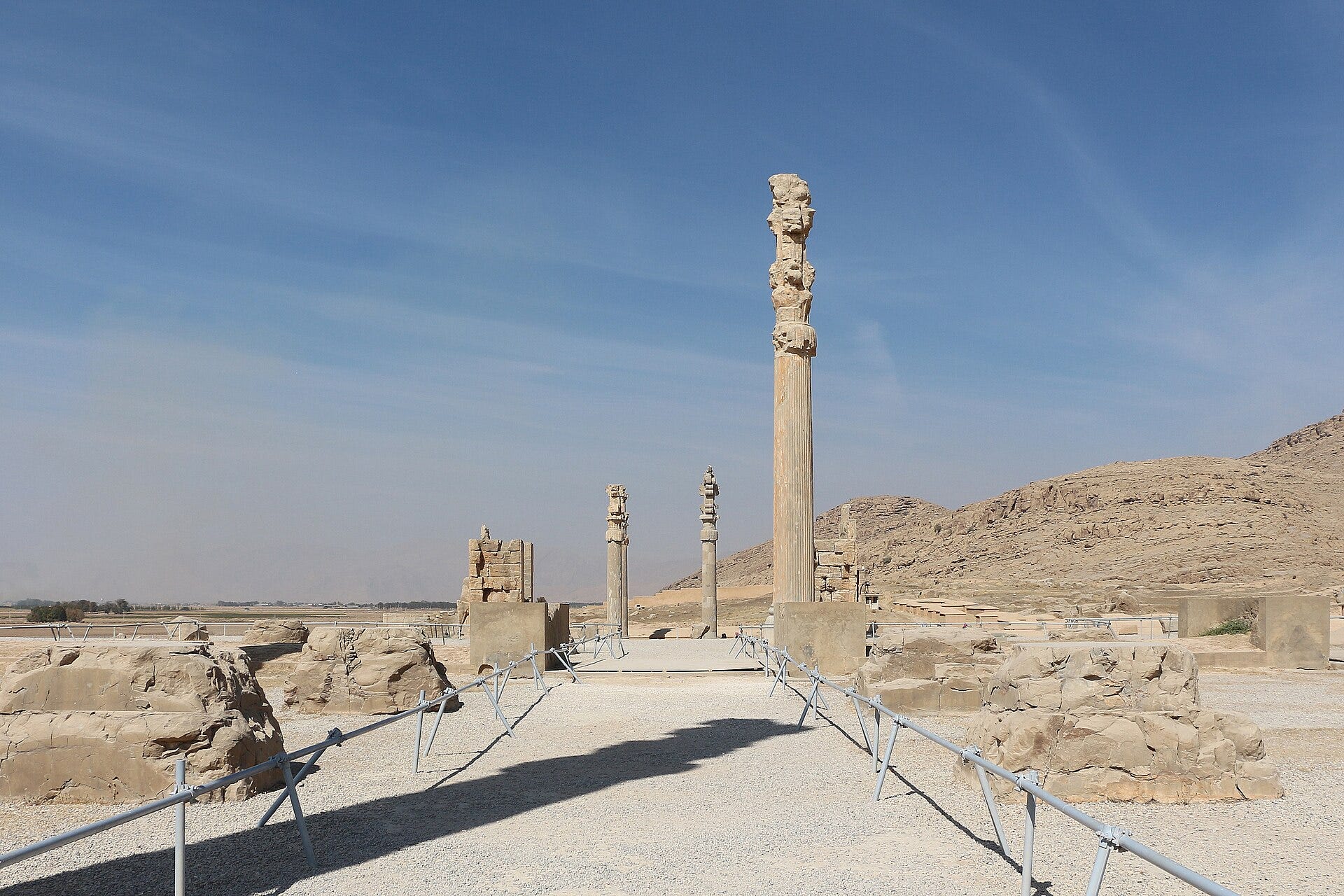
In the fourth century BC, Alexander the Great, king of Macedon, took Persepolis without destroying it. The city was the ceremonial capital of the Persian kings, and hauling its treasure away took ten thousand pairs of mules and five thousand camels. Then one night, the conqueror who had spared the city walked toward its royal palace with a torch in his hand.