
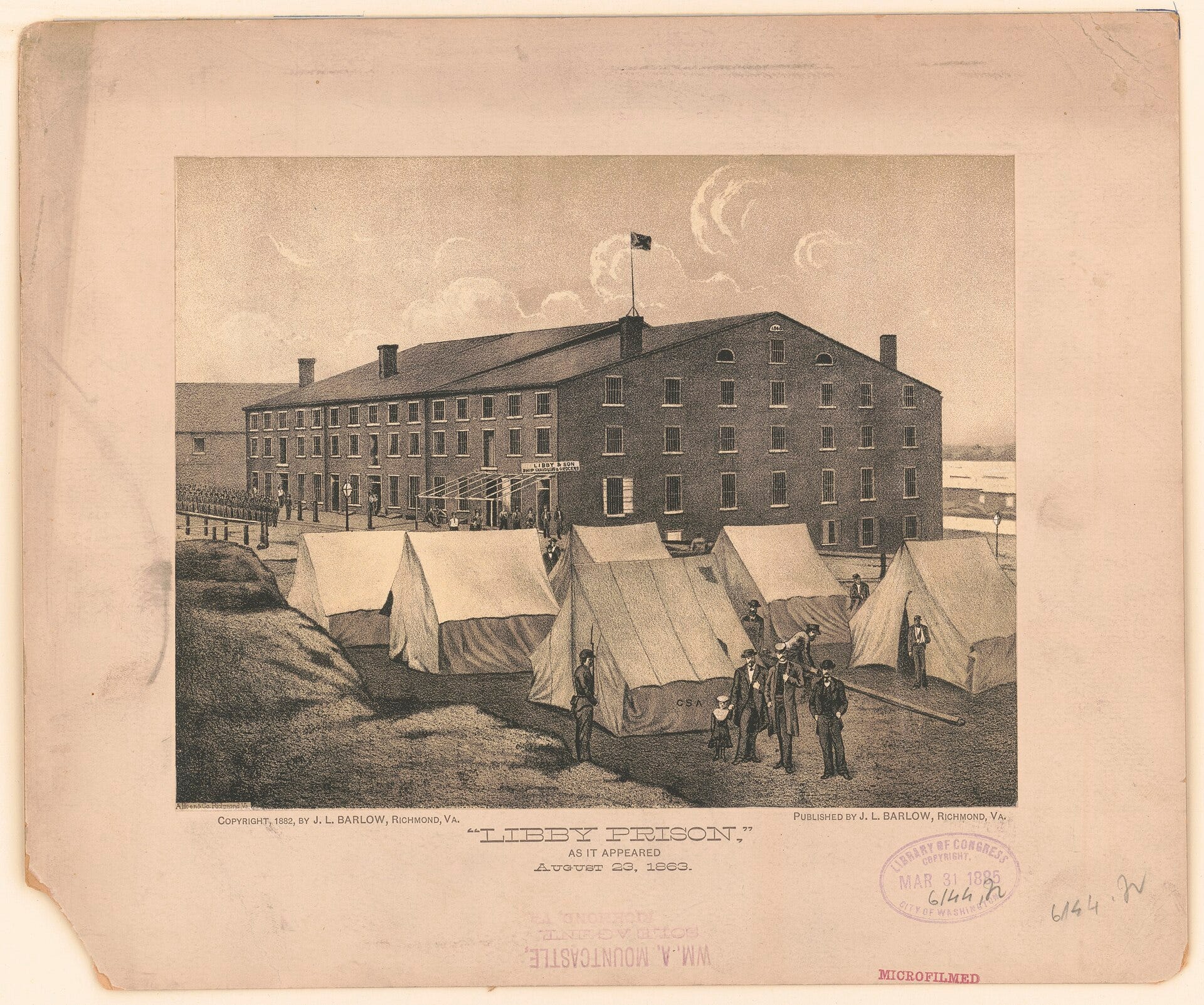
During the Civil War, Union spies in Richmond, Virginia, the capital of the Confederacy, hid their messages in shoes and wrote them in invisible ink. Women did this kind of secret work for three centuries, often behind a role nobody questioned, a singer on tour or a hostess at her own table. Some were never paid, and some were put to death for it.
Cool Stories About History is a newsletter to learn history the fun way.
Join free and get:
6 new stories a month, straight to your inbox
The full archive of stories
Comment, ask questions, and chat with other readers
How These Were Chosen
A spy, here, is a woman who worked in secret for a government or an army against another country or side. Most gathered information or carried it. One stirred up unrest to draw attention away from a military takeover.
Twelve entries hold thirteen women, because two who worked in the same Richmond ring share one.
The order climbs from the least known to the most famous, from a Frenchwoman of the First World War to the best-known spy of the Civil War.
12. Louise de Bettignies (1915 to 1918)
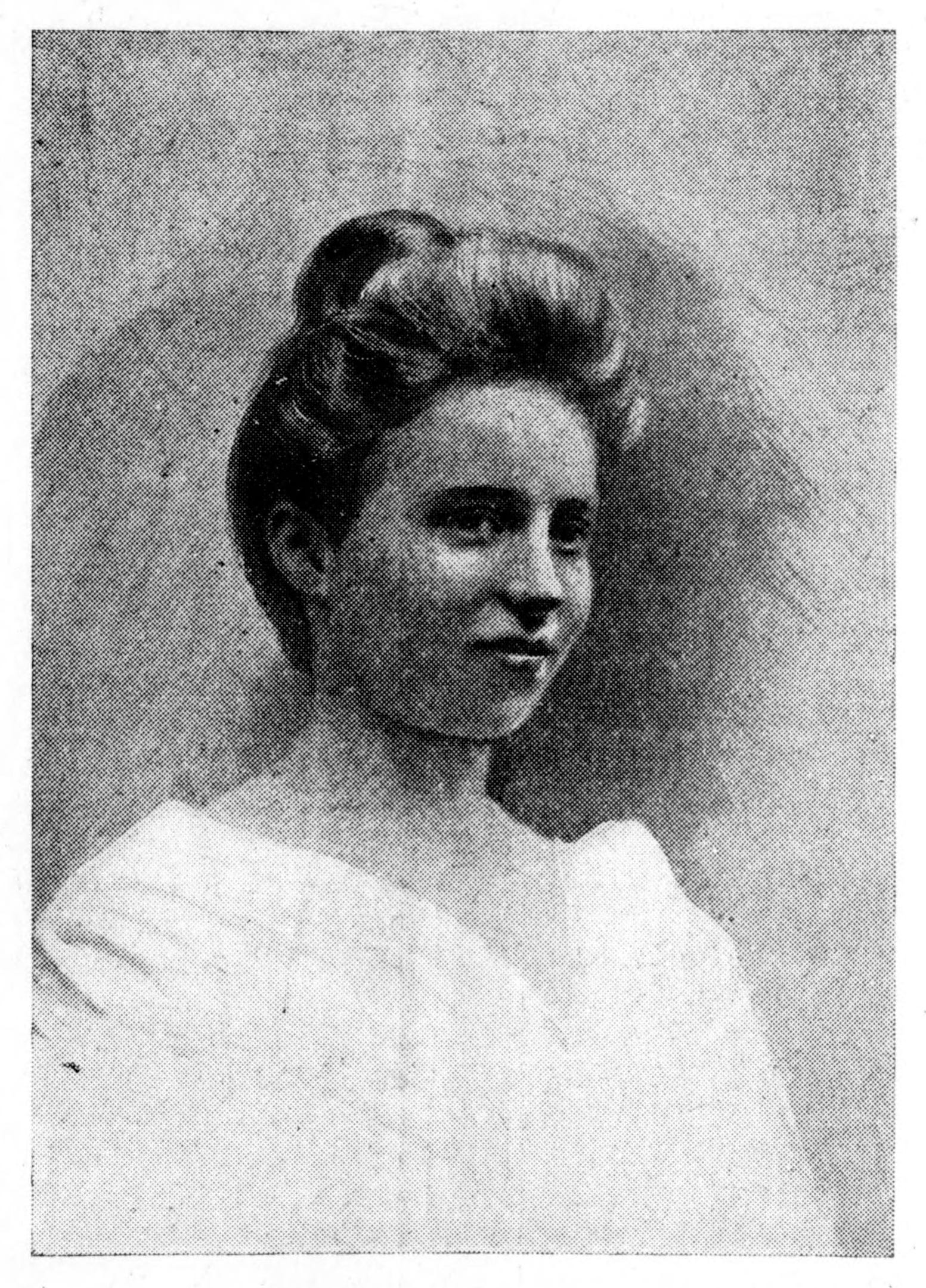
In February 1915, German troops had held much of northern France since the previous October. That month, in the town of Saint-Omer, a French intelligence officer asked Louise de Bettignies to become an agent. She was 34 and came from Saint-Amand-les-Eaux, a town in the north.
The officer had good reasons to pick her. She spoke fluent English, Italian and German, and she had studied in England. A British officer soon made her a similar offer, and she worked for both countries.
Under the false name Alice Dubois, she built a spy ring behind German lines with another Frenchwoman, Léonie Vanhoutte. It became known as the Alice network. By the summer of 1915, a new network was covering four more occupied towns, among them Cambrai and Valenciennes.
In the fall of 1915, the network warned that the Germans were preparing an attack on Verdun, a French town in the east. That same season the Germans caught both founders.
They arrested Vanhoutte on September 24, 1915, and on October 20 they caught Bettignies near Tournai, in Belgium, as she crossed the border with false papers.
The attack on Verdun came on February 21, 1916, and grew into one of the longest battles of the war. On March 16, a German military court sentenced Bettignies to death for espionage. The sentence was changed to life in prison, and from April she was held at Siegburg, near Cologne, in Germany.
In prison she refused to make weapons for the German army and urged other prisoners to revolt, and at the end of January 1917 she was punished for both. She died in captivity in September 1918, after an operation on an abscess near her lung, and the armistice of November 11 ended the war a few weeks later.
At a Glance
Who: Louise de Bettignies, alias Alice Dubois
Worked for: The Allies, recruited by French and British officers
Where: Occupied northern France and the Belgian border
When: 1915 to 1918
Fate: Sentenced to death on March 16, 1916, then to life in prison. She died in captivity in September 1918.
11. Sarah Aaronsohn (1917)
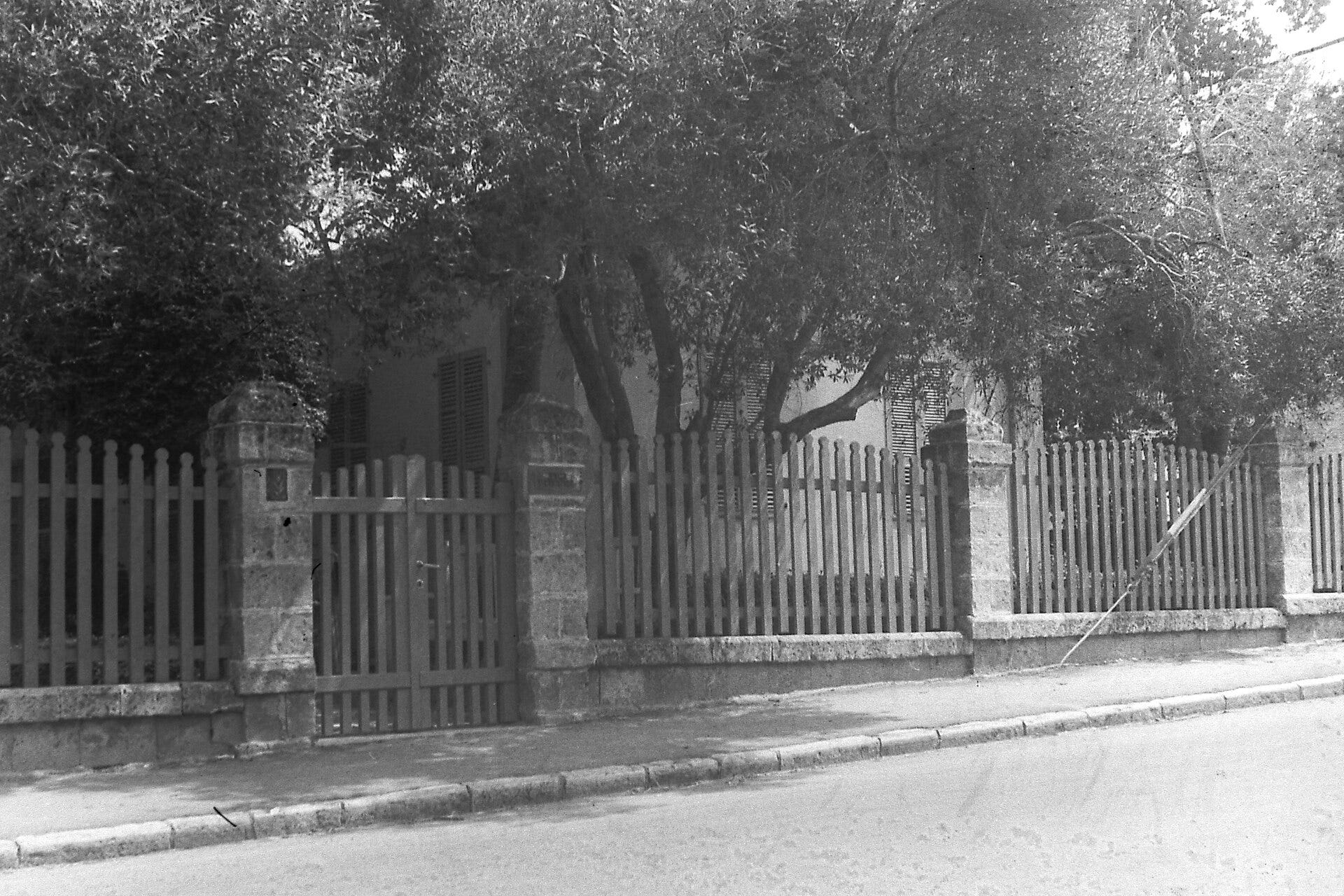
Sarah Aaronsohn, a Jewish woman in Palestine, helped run a spy ring for the British against the Ottoman Empire, the Turkish state that ruled Palestine in the First World War. In the fall of 1917, she was warned not to go home to her village, Zichron Yaakov. She went back anyway.