
For decades, books and websites hailed an Egyptian named Merit Ptah as the first woman doctor in history, and a crater on Venus bears her name. No ancient record lists her as a healer, and her story grew out of a mix-up made in 1938. The women who really treated the sick while the rules kept them out left firmer traces, often in the files of the men who tried to stop them.
Cool Stories About History is a newsletter to learn history the fun way.
Join free and get:
6 new stories a month, straight to your inbox
The full archive of stories
Comment, ask questions, and chat with other readers
How These Were Chosen
Every woman here treated the sick, or fought for the right to, against a rule, a refusal or a neglect of her time. A dated event in her life shows that fight.
A medical degree was not required. Mary Seacole never earned one. She belongs here for the soldiers she nursed in the Crimean War after her offer to serve as an army nurse was turned down.
12. Jacoba Felicie (1322)
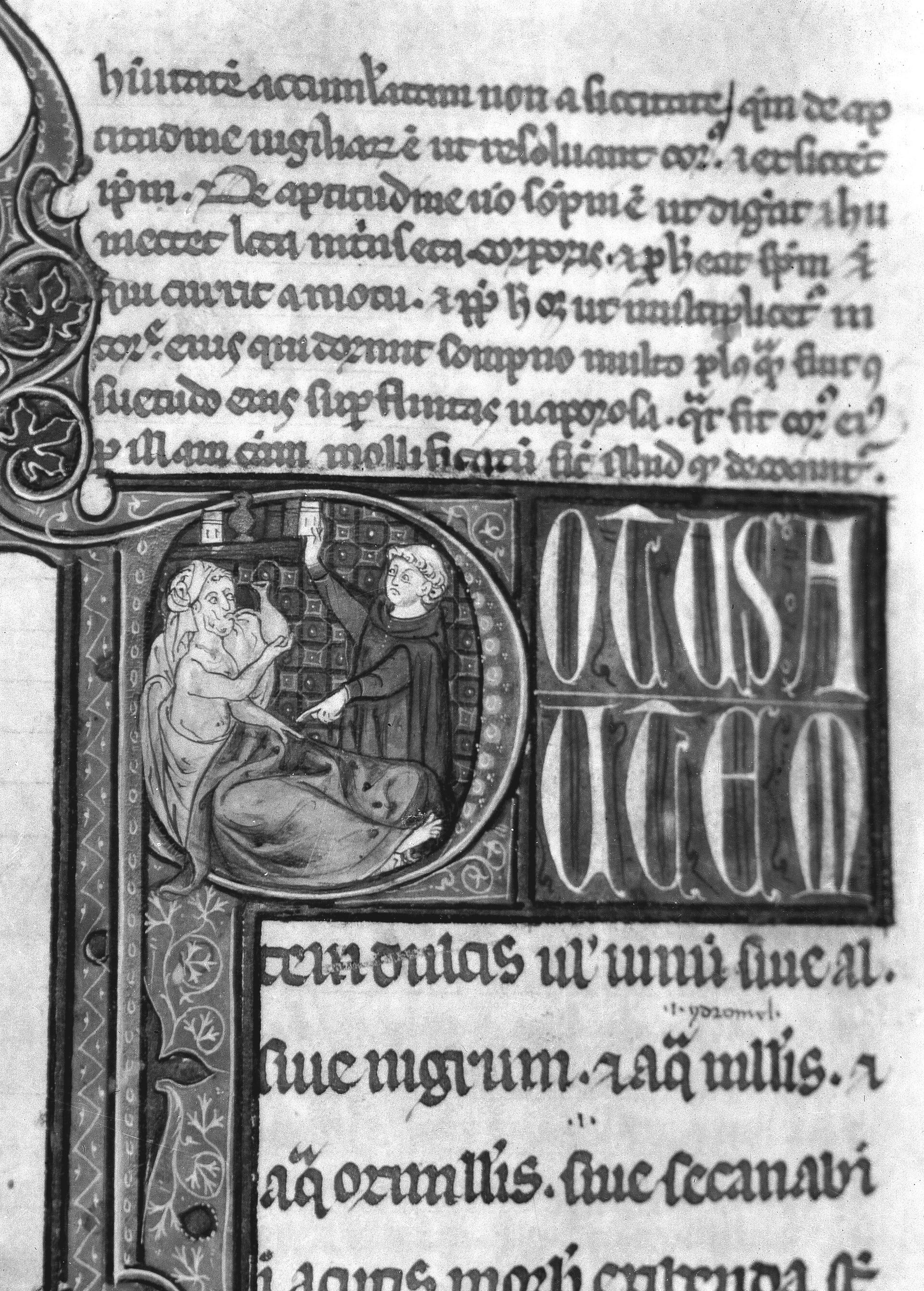
In 1322, a line of patients came before a church court in Paris to describe how a woman had cured them. The woman on trial was Jacoba Felicie, and her offense was treating the sick without a license from the University of Paris.
In medieval Paris, only the university's Faculty of Medicine could grant that license, and its physicians brought the case. They saw unlicensed healers as a threat to their trade, so Jacoba stood trial alongside a group of folk healers, men as well as women.
Her patients spoke of fevers, kidney trouble and rheumatism. Several said she had taken their pulse and examined their urine before giving them potions, and most had tried licensed physicians first, some of them members of the faculty itself.
One witness, a woman named Bilbaut, had been given up on by licensed doctors before Jacoba took her in hand. A friar named Odo told the court that Jacoba knew more about medicine and surgery than any master in Paris.
Jacoba denied nothing. She argued that she had saved patients others could not help, and that many women were too ashamed to confide in a male doctor. Nobody tested what she knew, and her patients said they had never asked whether she had studied.
The court answered with a rule taken from the law courts. Women could not act as lawyers or as witnesses in criminal trials, it held, so they could not practice medicine either. In November 1322 Jacoba was excommunicated, cut off from the Church, fined and banned from practicing in or around Paris.
At a Glance
Who: Jacoba Felicie, a healer in Paris with no university license
Date: November 1322
Place: A church court in Paris
Charge: Practicing medicine without a license from the university's Faculty of Medicine
Outcome: Excommunicated, fined and banned from practicing in or around Paris
About This Life
Who was the very first female doctor?
Not Merit Ptah, the Egyptian most often named. No ancient record lists her as a healer, and her name entered books in 1938 through a mix-up with Peseshet, a real woman of Egypt's Old Kingdom. A false door in a tomb at Giza gives Peseshet her title, "Overseer of Healer Women."
11. Kadambini Ganguly (1891)
Kadambini Ganguly was a married doctor with children in Calcutta when, in 1891, a magazine of orthodox Hindus, Bangabasi, all but branded her a whore in print. Five years earlier she had become the first Indian woman to graduate in Western medicine in India. She and her husband decided to take the editor to court.